

110V & 220V Portable Energy Storage Systems
Pure Sine Wave Output
1kWh & 2kWh Battery Options
Solar and AC Charging
110V and 220V Models
How to Choose a Portable Energy Storage System
PowMr all-in-one portable energy storage systems combine a lithium battery, pure sine wave inverter, solar charging and AC charging in one compact unit. Choose a 110V/120V model for 60Hz appliances or a 220V/230V model for 50Hz appliances.
Match the Voltage and Frequency
Choose 110V/120V and 60Hz for compatible appliances, or 220V/230V and 50Hz for compatible appliances. Do not connect equipment to an incompatible AC output voltage.
Calculate the Required Output Power
Add the running wattage of all devices that may operate at the same time. The total continuous load must remain below the system’s rated 500W or 1000W output.
Consider Startup Power
Refrigerators, pumps, compressors and other motor-driven appliances may require significantly more power when starting. Check both running power and startup power before connecting them.
Select the Battery Capacity
A 1kWh system is suitable for lower-power and shorter backup requirements. A 2kWh system provides approximately twice the stored energy for longer operation or additional devices.
Recharge from Solar Panels or the Grid
Solar Charging
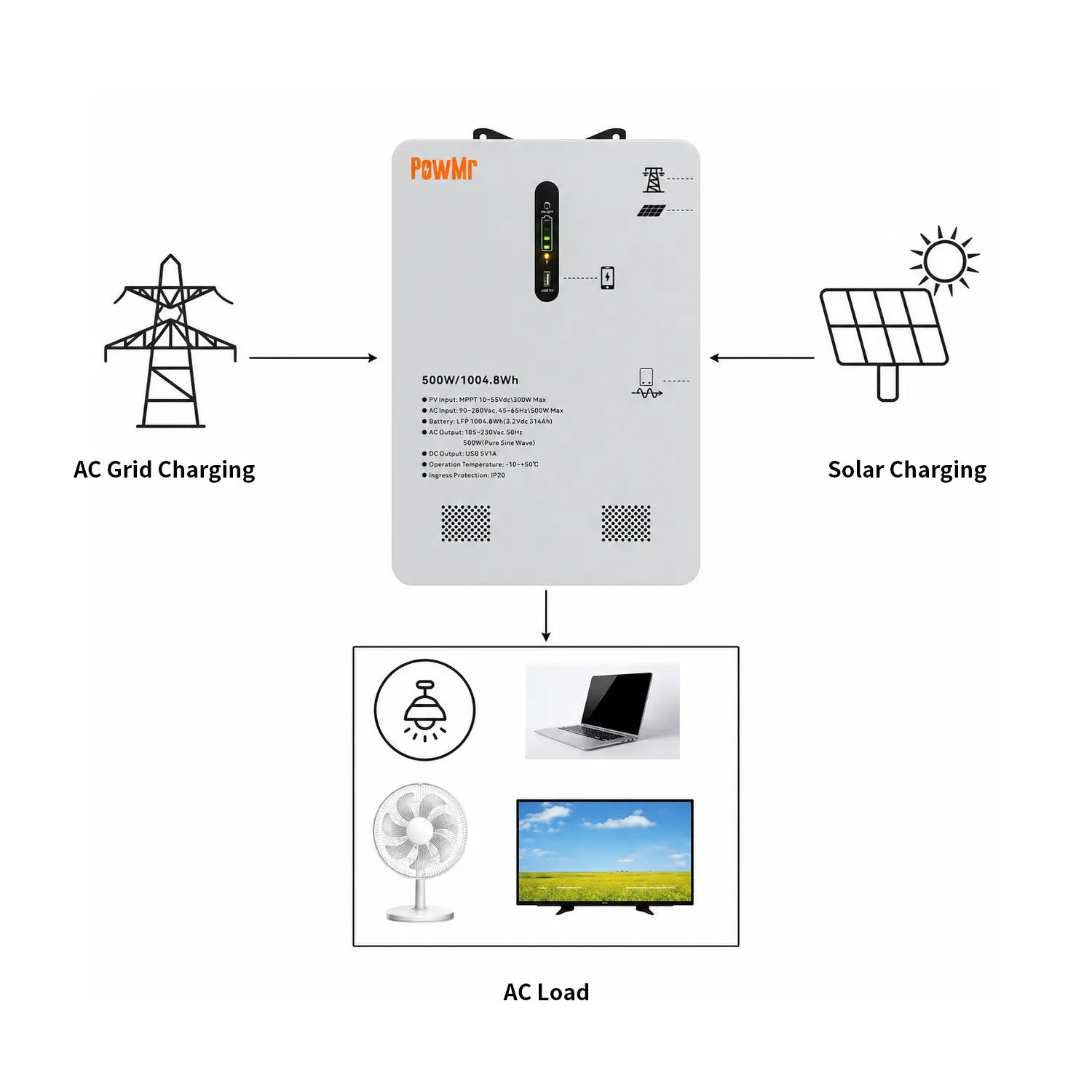
Connect a compatible solar panel within the specified MPPT voltage and maximum input power range. The 500W models support up to 400W solar input, while the 1000W models support up to 550W.
AC Grid Charging
Recharge the built-in battery from a compatible AC power source. Always select the correct 110V or 220V version for the local power supply.
Integrated Power Management
The built-in charging system manages solar input, grid input, battery status and AC output without requiring a separate external inverter or battery charger.
Portable Backup Power for Everyday Essentials
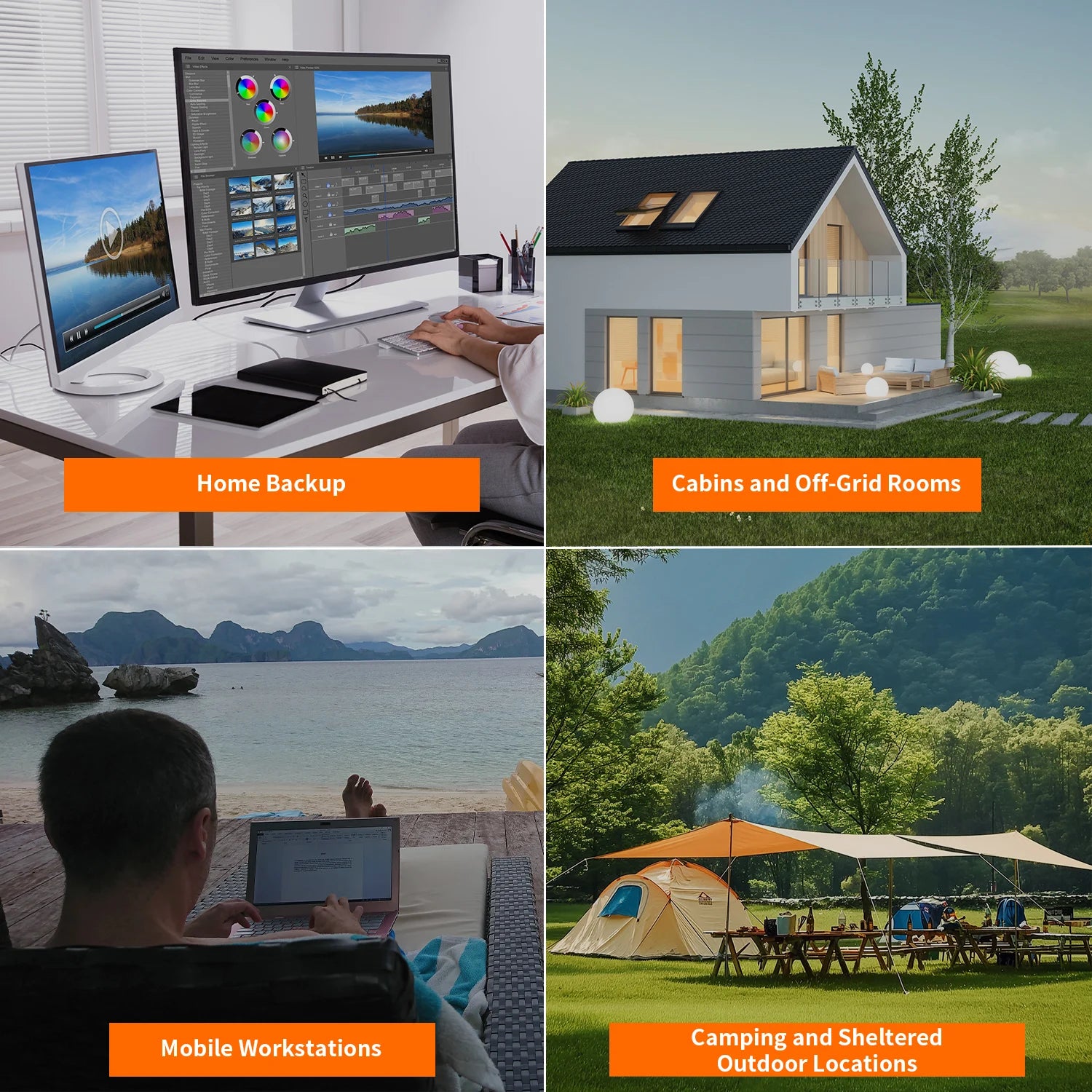
Home Backup
Power essential devices during outages.
Cabins and Off-Grid Rooms
Support basic equipment with solar charging.
Mobile Workstations
Power laptops, monitors and work devices.
Camping and Sheltered Outdoor Locations
Provide portable power in dry, protected areas.
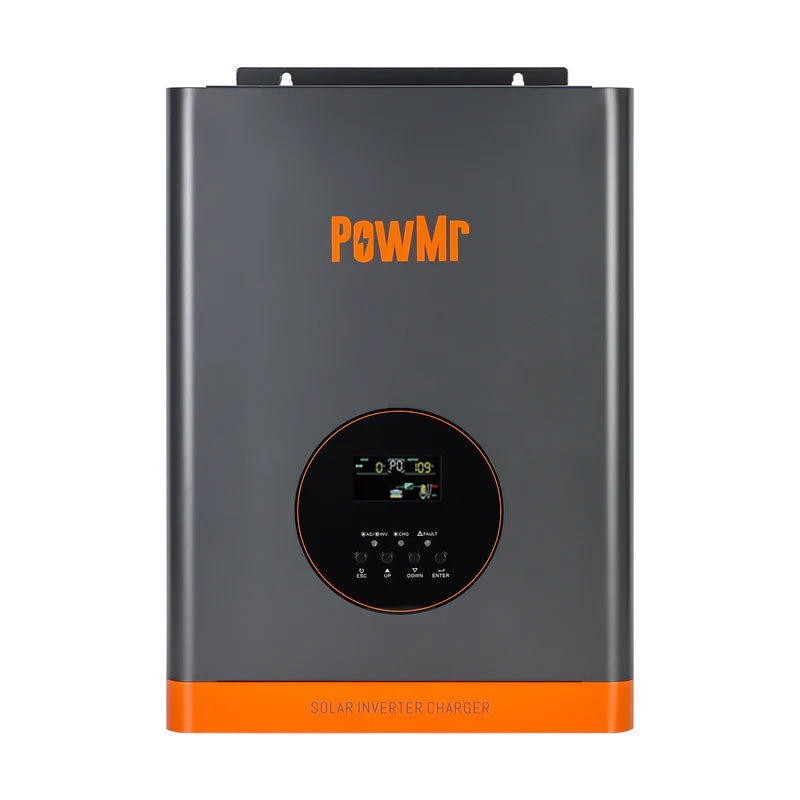
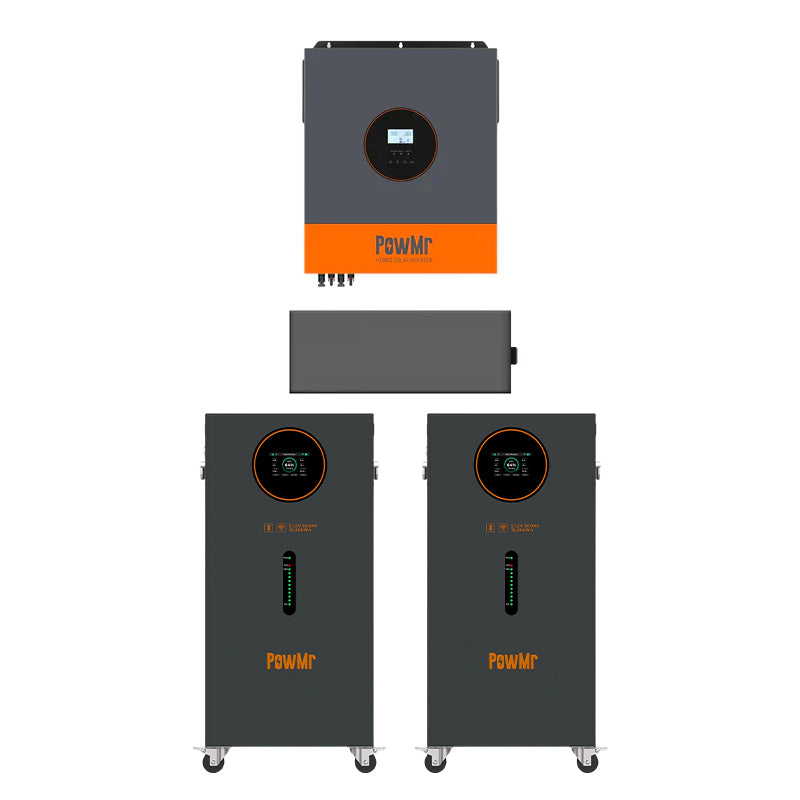
Find the Right Solar System for Every Energy Need

FAQ
What is the difference between a 110V and 220V portable energy storage system?
The main difference is the AC output voltage and frequency. The 110V/120V models are designed for compatible 60Hz appliances, while the 220V/230V models are designed for compatible 50Hz appliances.
What is the difference between 1kWh and 2kWh?
Battery capacity determines how much energy can be stored. A 2kWh system stores approximately twice as much energy as a 1kWh system, although actual runtime depends on the connected load and system efficiency.
Can I use a 110V appliance with a 220V energy storage system?
No, not directly. The output voltage must match the appliance input rating. Connecting a 110V appliance to a 220V output may damage the appliance and create a safety risk.
Can these systems be charged with solar panels?
Yes. They include an MPPT solar input. The solar panel voltage and power must remain within the input range specified for the selected model.