

220V Solar Inverters for Home, Outdoor & Off-Grid Power Systems
Explore 220V solar inverters for different power systems, including all-in-one inverters, hybrid inverters, off-grid solar inverters, and DC-AC power inverters for reliable energy conversion.
Choose the Right 220V Solar Inverter for Your System
Discover 220V solar inverters for home, outdoor, and off-grid power systems, including all-in-one, hybrid, off-grid, and DC-AC inverter solutions.
IP21 All-in-One Inverter
Integrated inverter, MPPT solar charger, battery charger, and AC output in one unit
Indoor
IP21
Solar / Battery / Grid supported
Yes
Homes, equipment rooms, indoor backup power
IP65 All-in-One Inverter
All-in-one solar inverter design with stronger dustproof and waterproof protection
Outdoor / Indoor
IP65
Solar / Battery / Grid supported
Yes
Homes, outdoor wall-mounted systems, farms, commercial and industrial use
220V Hybrid Inverter
Manages solar power, battery storage, and grid power for flexible energy use
Mainly indoor
Depends on model
Solar / Battery / Grid supported
Available
Home energy storage, peak shaving, smart energy management
220V DC-AC Power Inverter
Converts battery DC power into stable 220V AC electricity for everyday loads
Indoor / Mobile use
Basic protection
Converts battery DC to 220V AC
Suitable for simple power supply
Vehicles, emergency power, simple backup power systems
Why Choose Our 220V Solar Inverters
Trusted Quality for Global Solar Power Systems
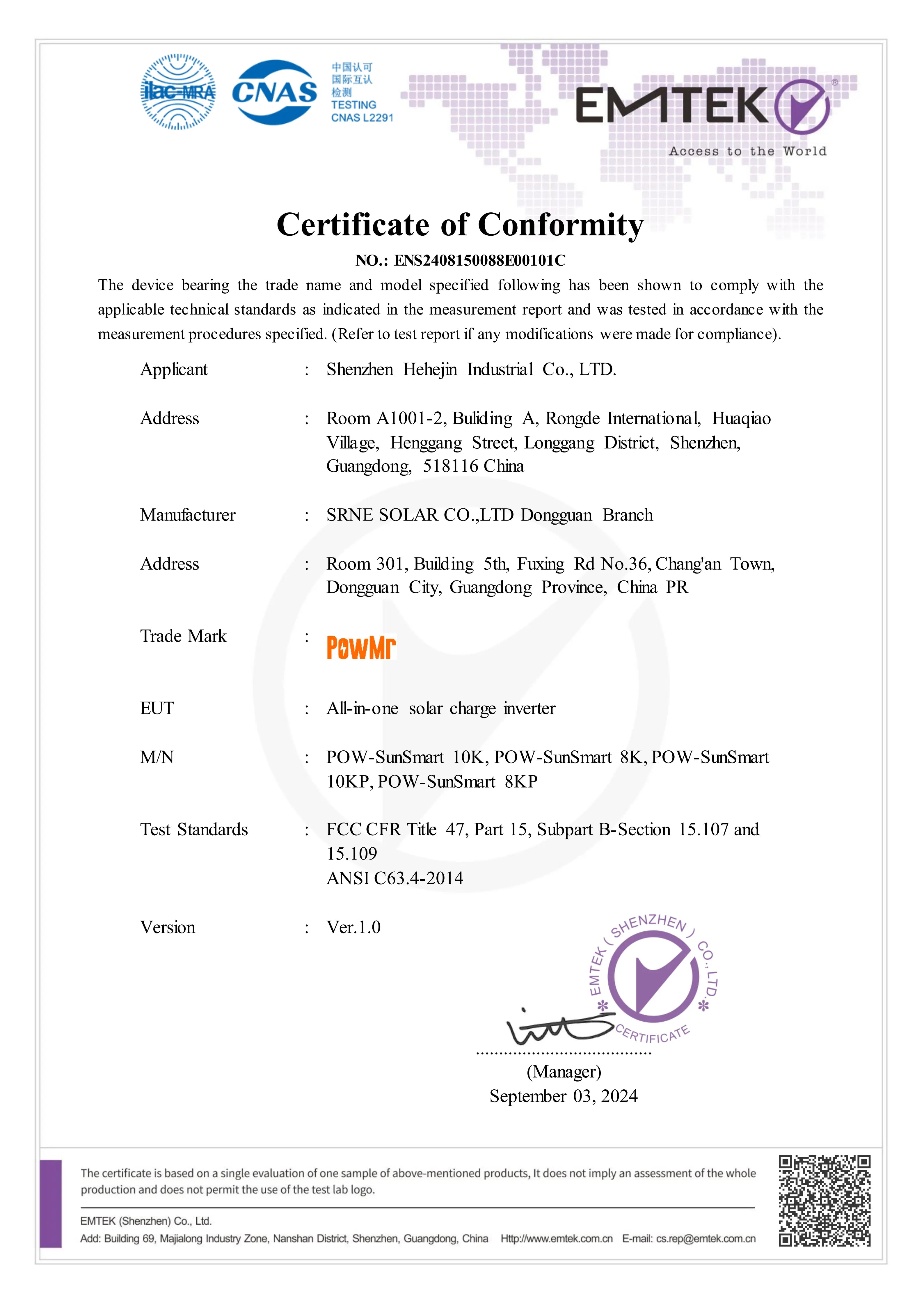
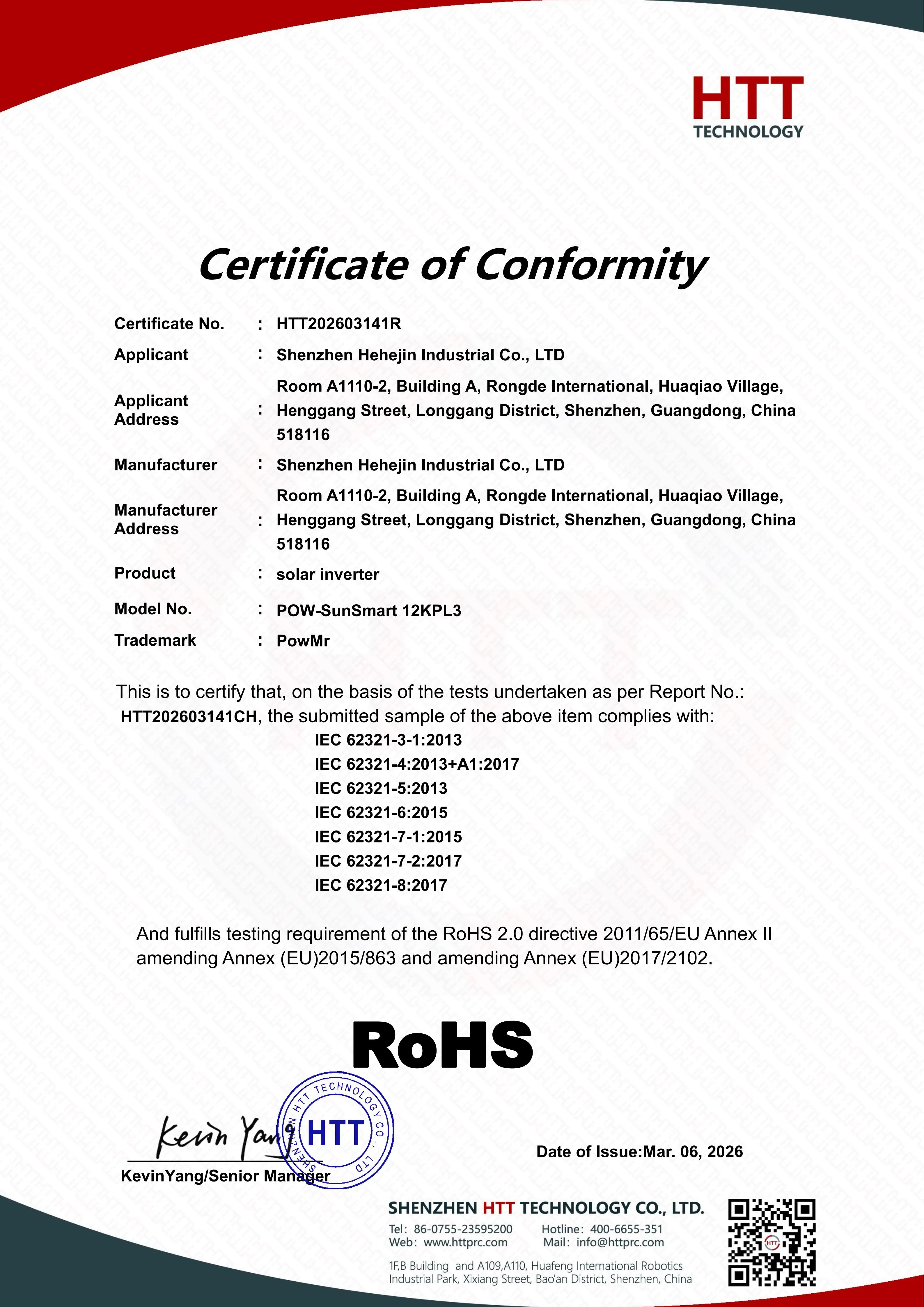
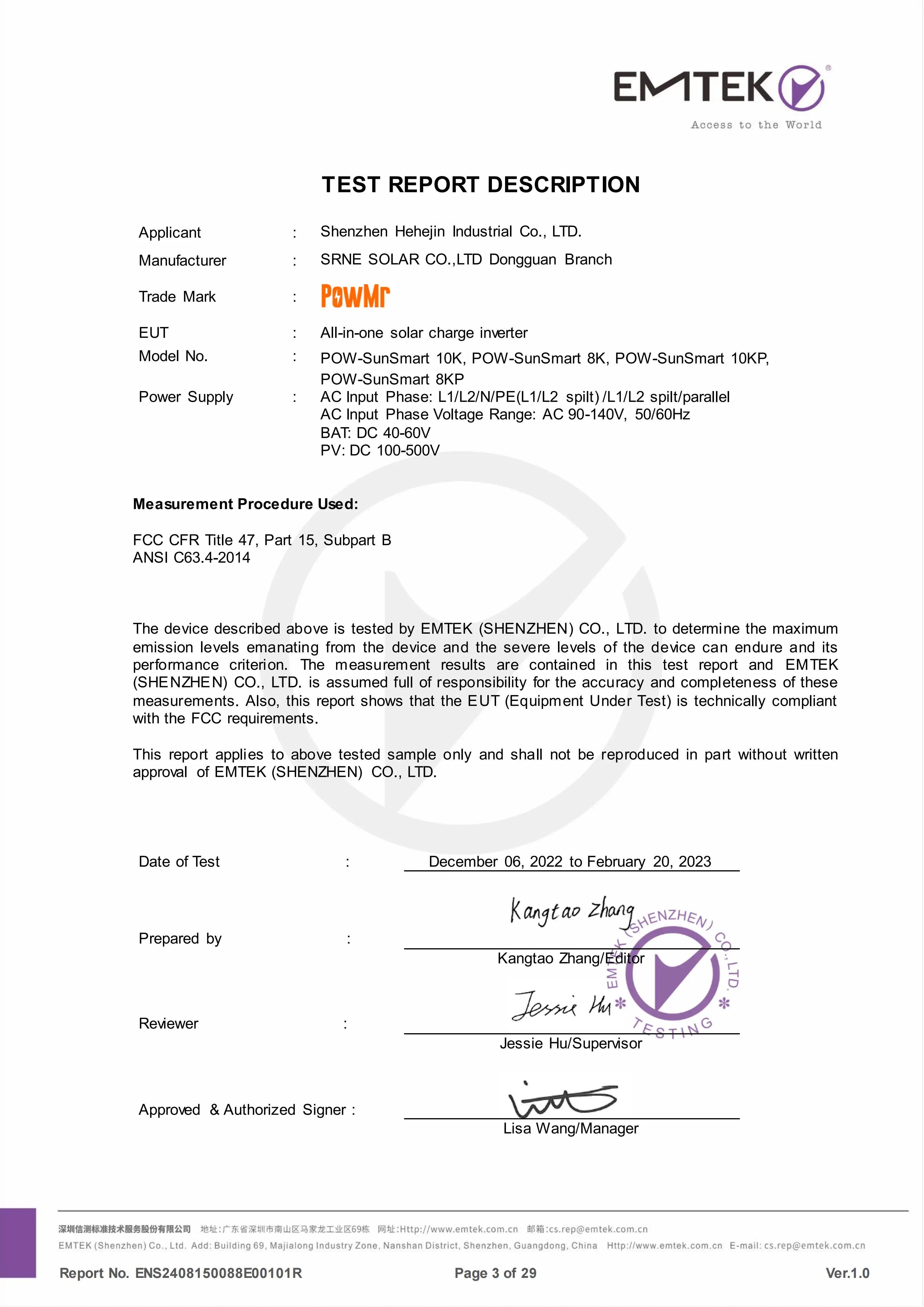
Our solar inverters are designed and tested to meet strict international safety and performance standards, ensuring reliable operation in residential, off-grid, and whole-house backup power systems.
All certifications are issued by recognized testing laboratories and support compliance for US, EU, and global solar installation requirements.
Complete Your Solar Power System
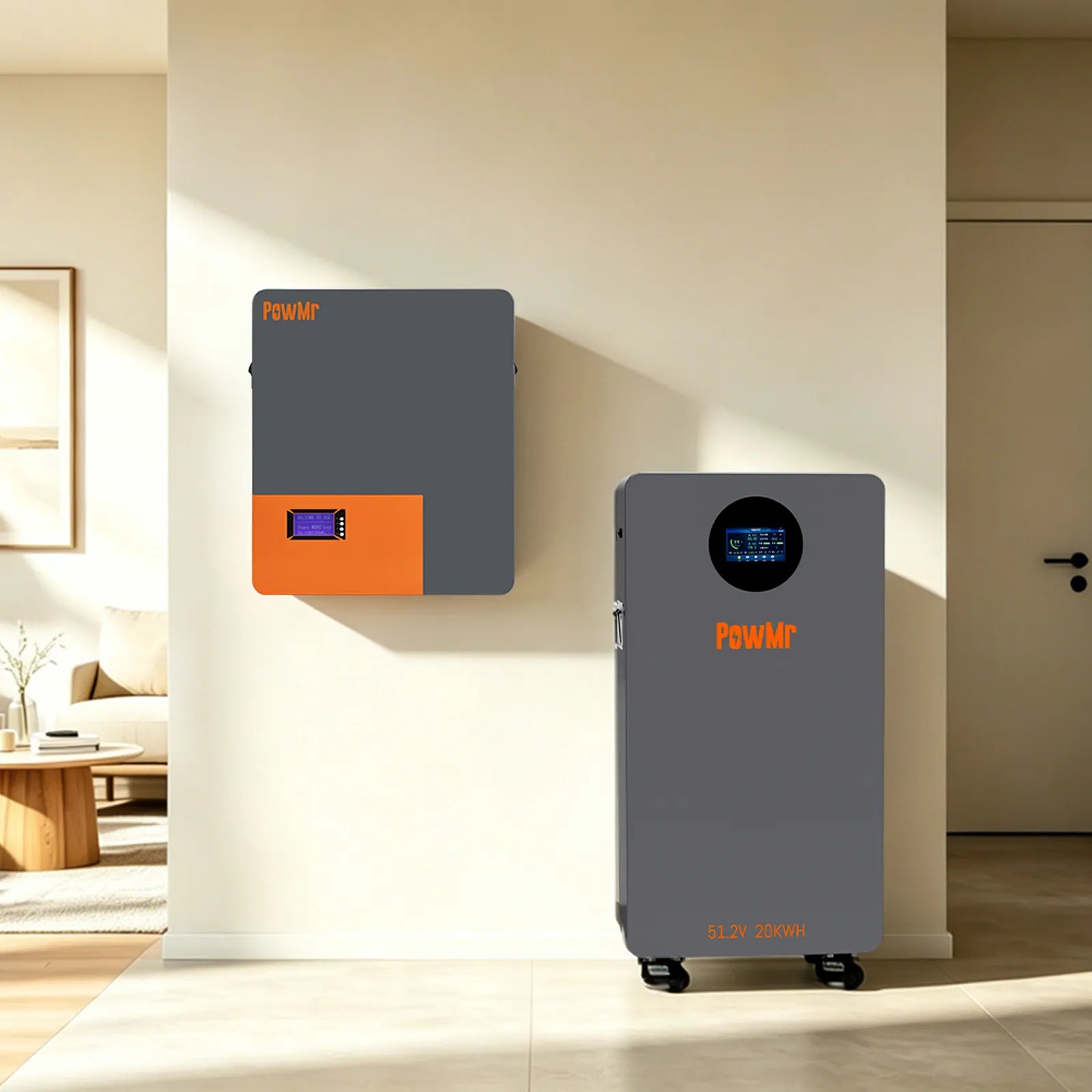
Explore batteries, solar panels, and energy storage solutions to build a more reliable off-grid or backup power system.
FAQ
Is a power inverter the same as a solar inverter?
A power inverter converts DC battery power into AC power. A solar inverter may include solar charging, MPPT control, battery charging, grid input, or hybrid functions depending on the model.
Should I choose single phase or split phase inverter?
Choose a single phase 120V inverter for standard household appliances and smaller systems. Choose a split phase 120/240V inverter if you need to power a whole home or equipment that requires 240V, such as pumps, dryers, HVAC systems, or workshop tools.
What is the advantage of a low frequency inverter?
A low frequency inverter offers stronger surge power and better performance for heavy inductive loads. It is a better choice for motors, pumps, compressors, refrigerators, and air conditioners.
What specifications matter for US standard inverters?
Key specifications include 120V output, 60Hz frequency, pure sine wave output, battery voltage, continuous power, surge power, split phase 120/240V support, MPPT solar input, and certification requirements.