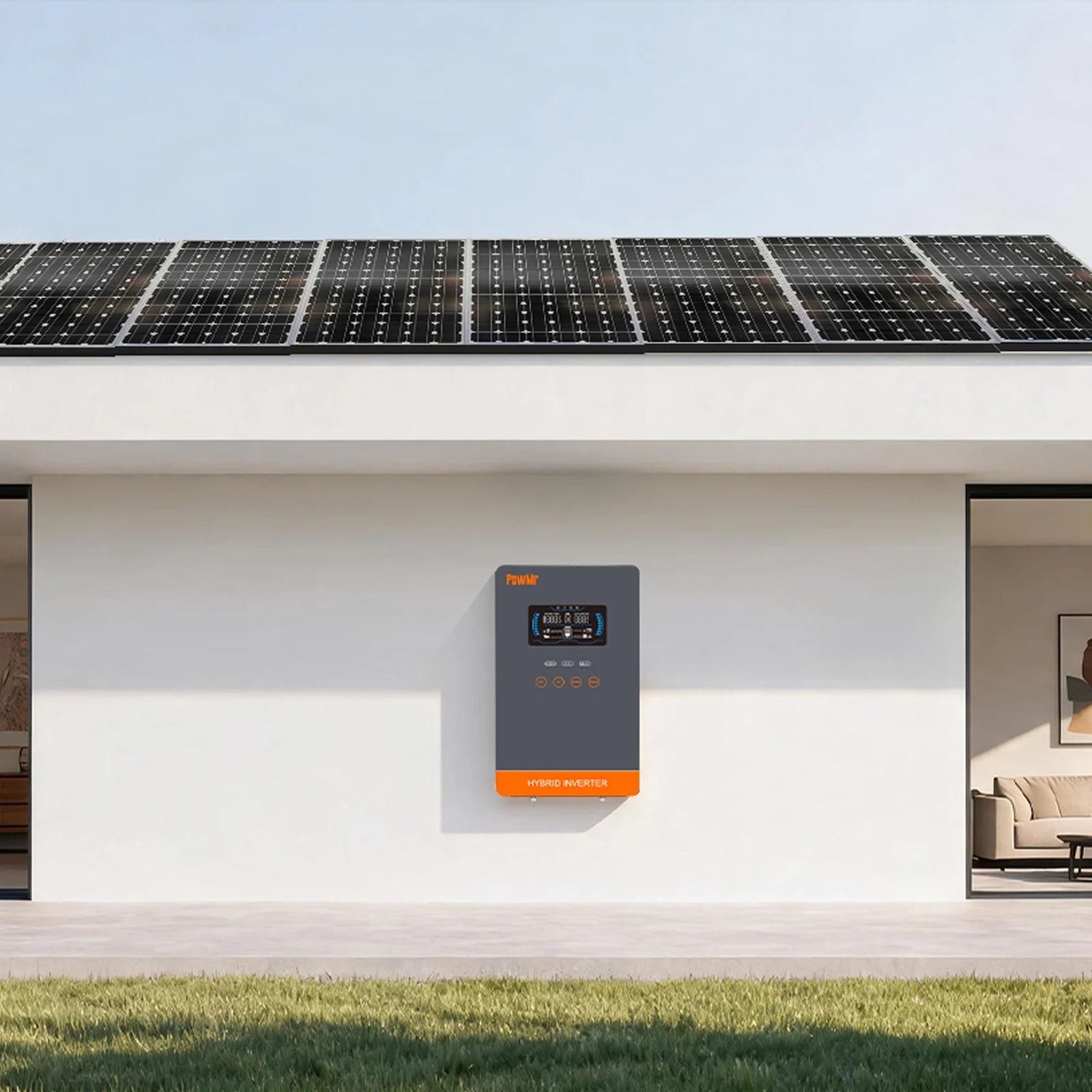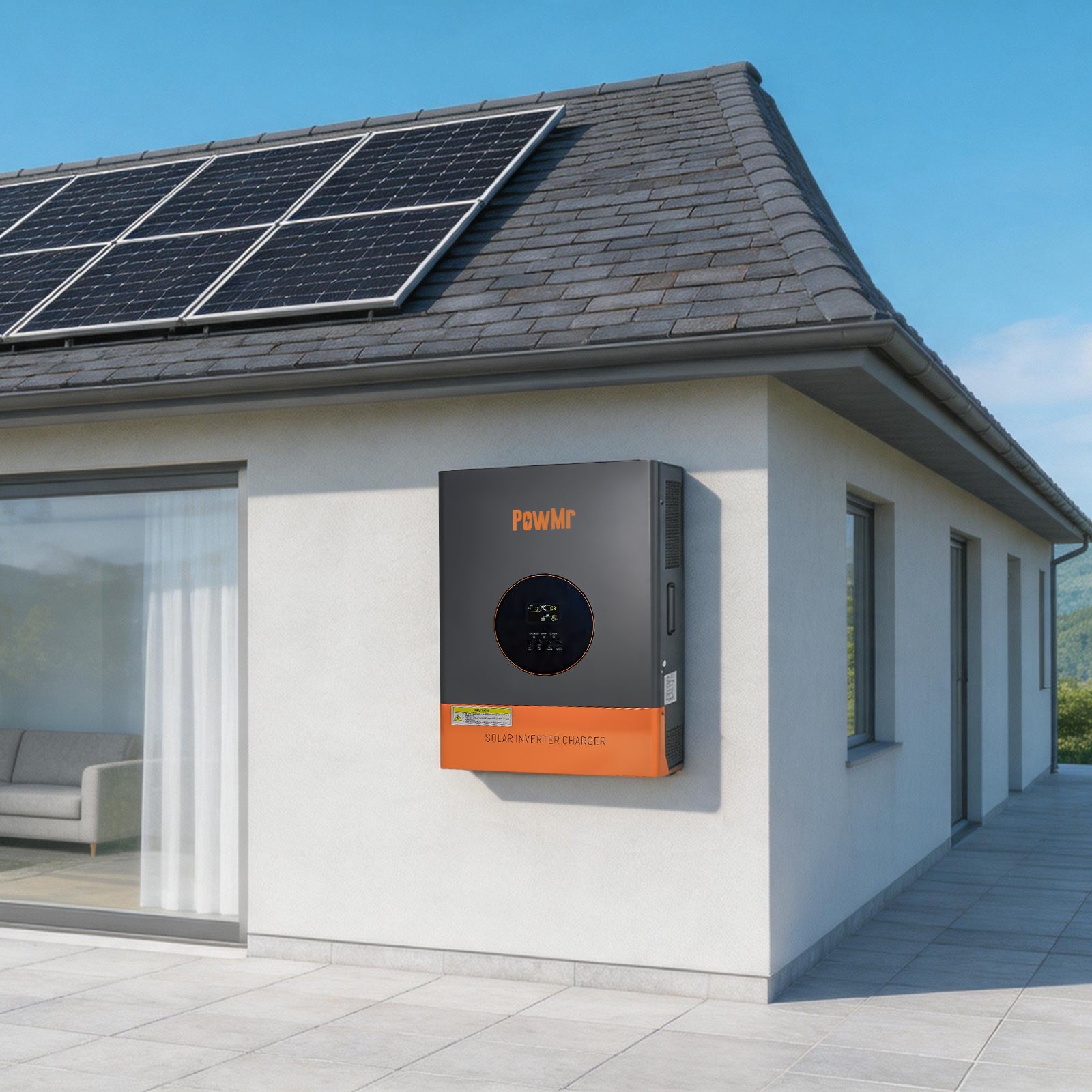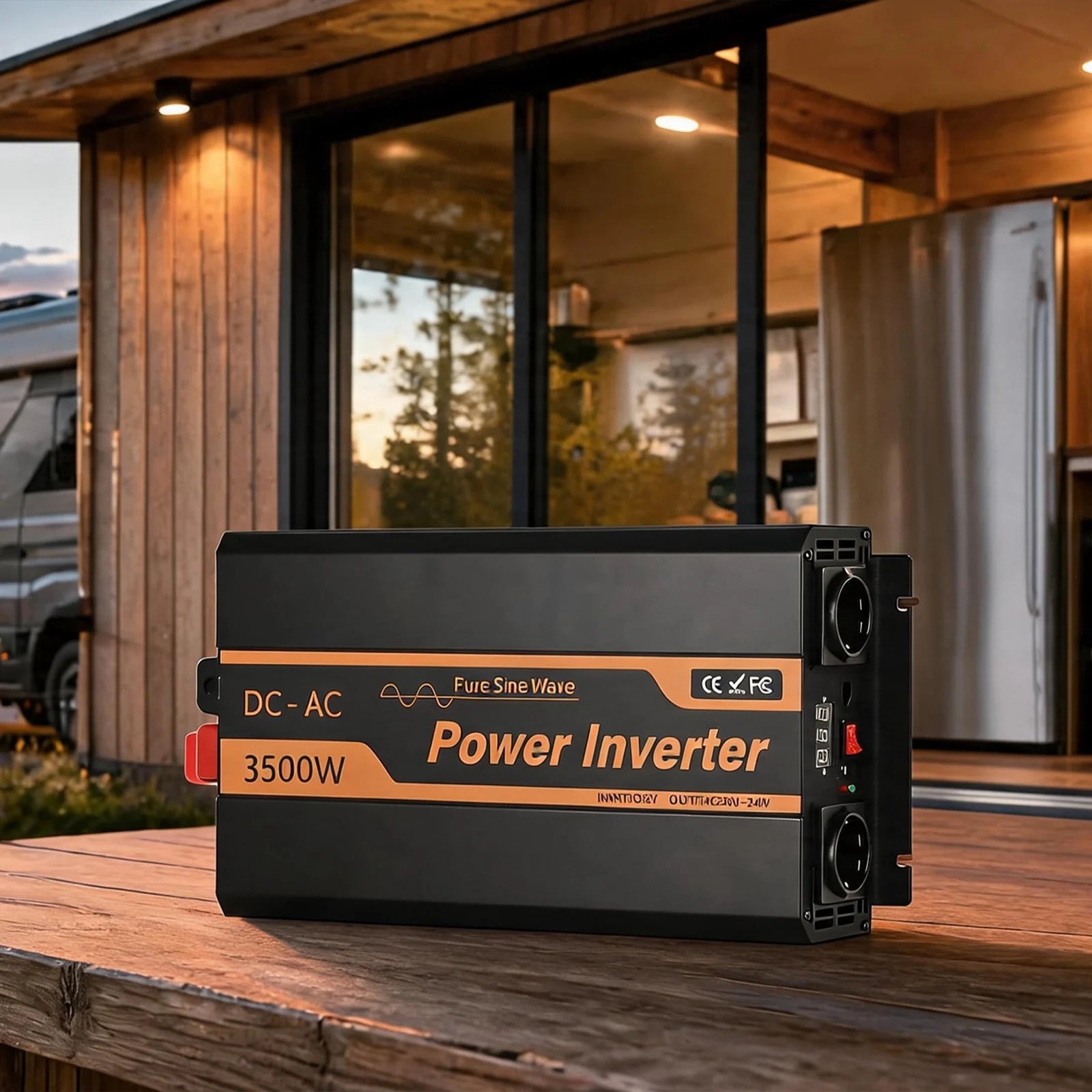

110V/220V Split Phase All-in-One Inverters
- All-in-one inverter solutions for home backup, off-grid, RV, and small commercial power systems.
- Integrates solar charging, battery charging, inverter output, and power management in one system.
- Provides 110V/220V and 120V/240V split phase output for household appliances, well pumps, air conditioners, tools, and other loads.
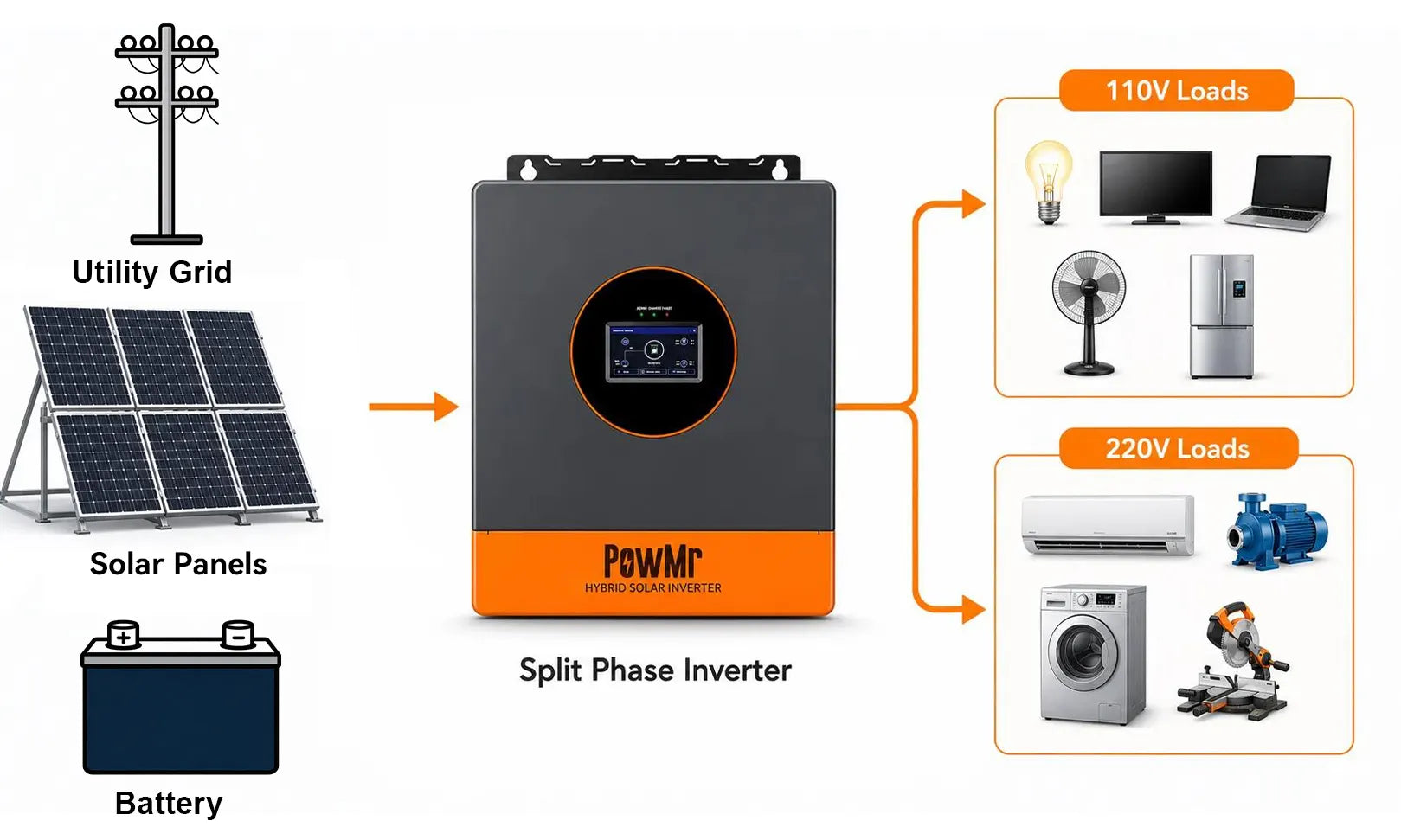
What Is a 110V/220V Split Phase Solar Inverter?
A 110V/220V split phase solar inverter converts DC power from solar panels or batteries into AC power with two 110V output lines. When combined, the two lines can provide 220V output for larger appliances. This makes it a practical solution for users who need both 110V and 220V power in one solar energy system.
Filters
6 products
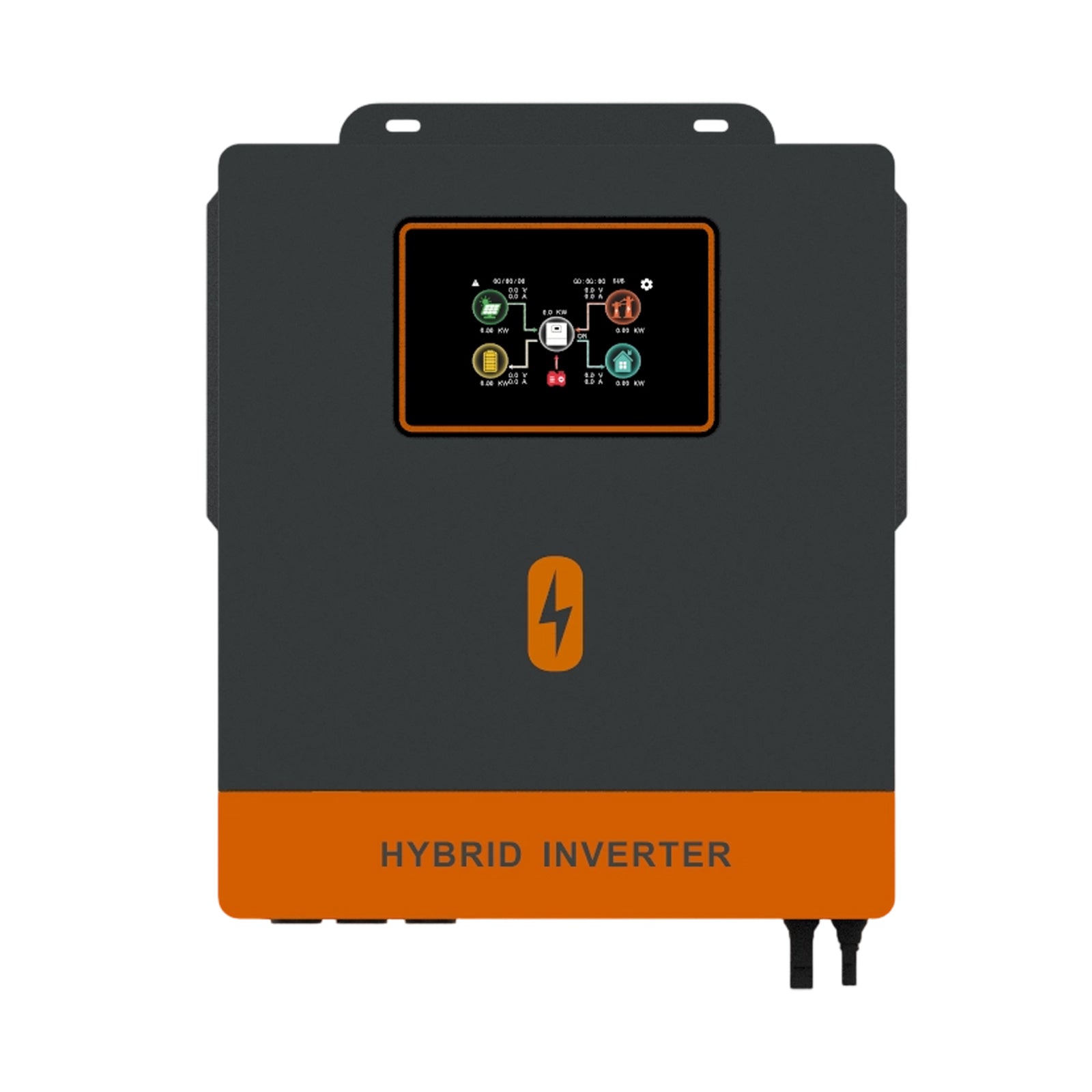
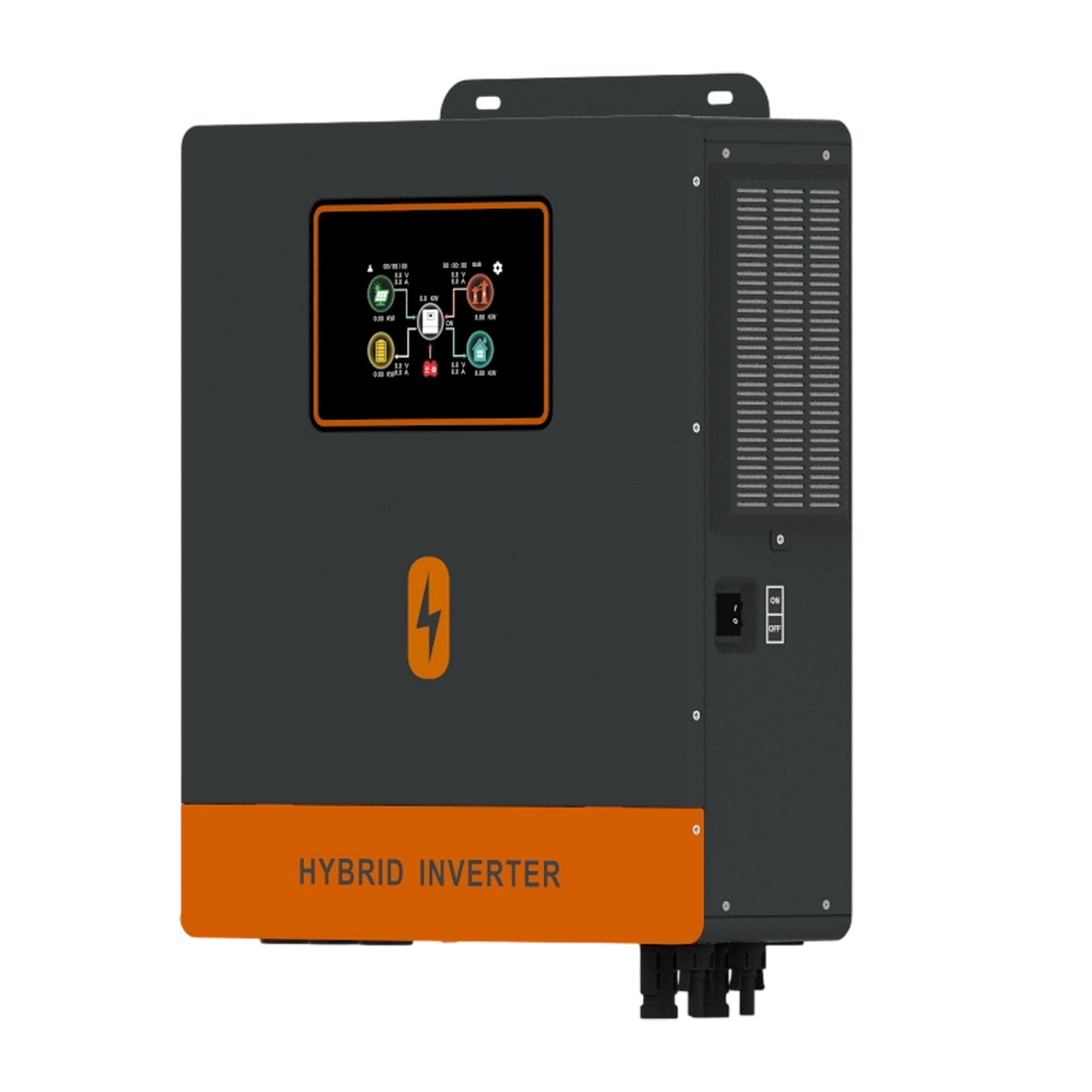
6KW 48V 110/240Vac Split Phase All in One Inverter with Built-in WiFi
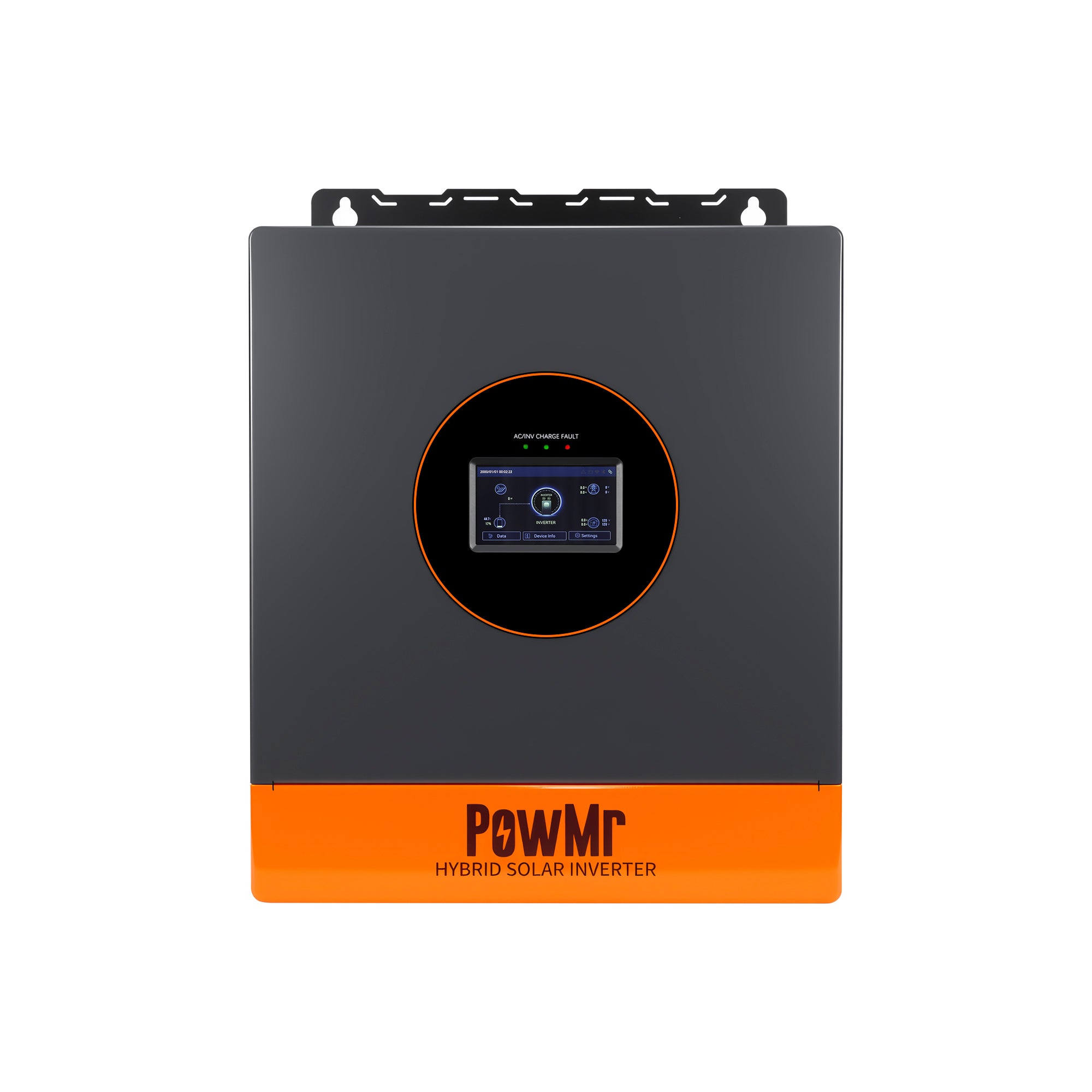
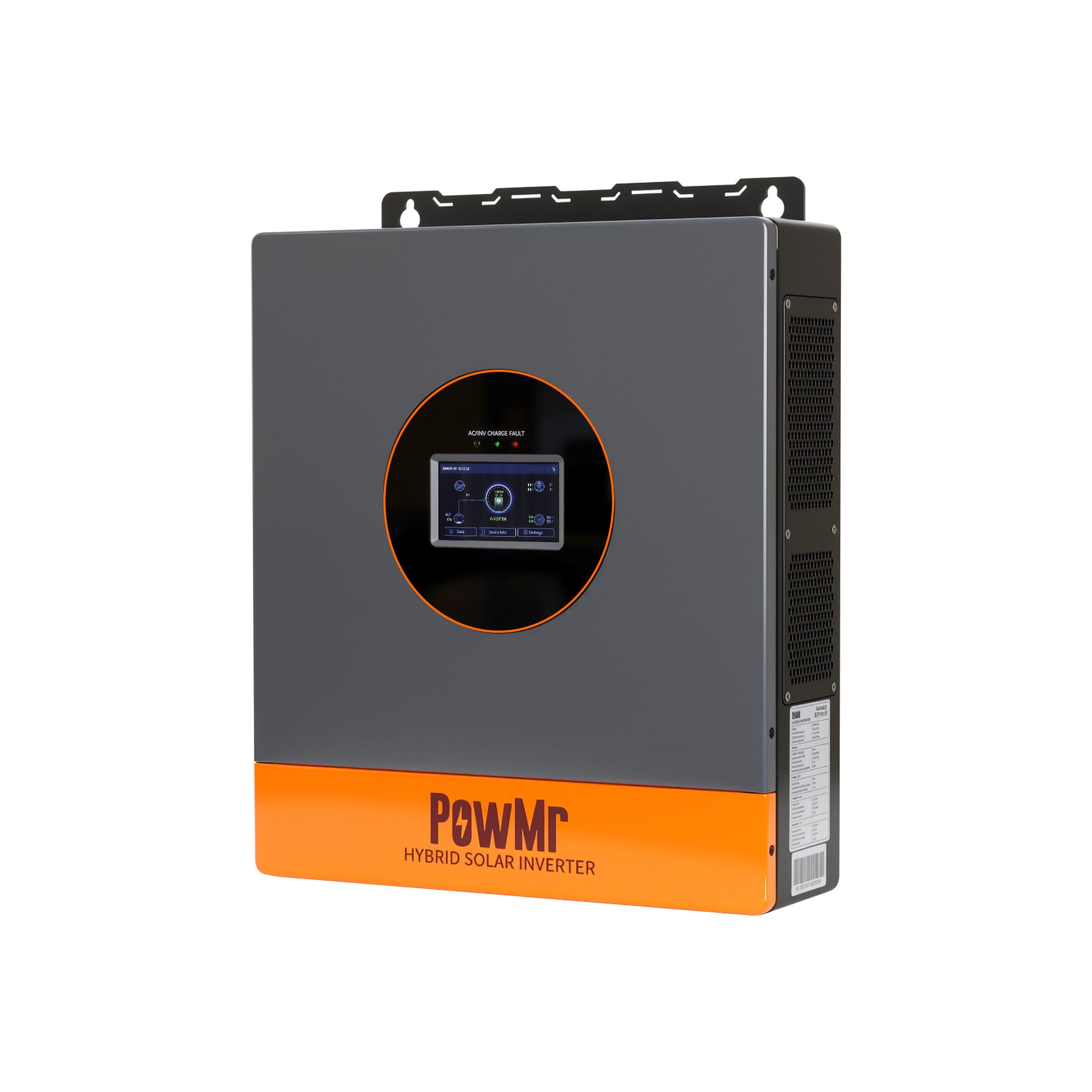
8KW 48Vdc All in One Inverter 110/240Vac Split Phase Supports 6 Units in Parallel with Built-in WiFi
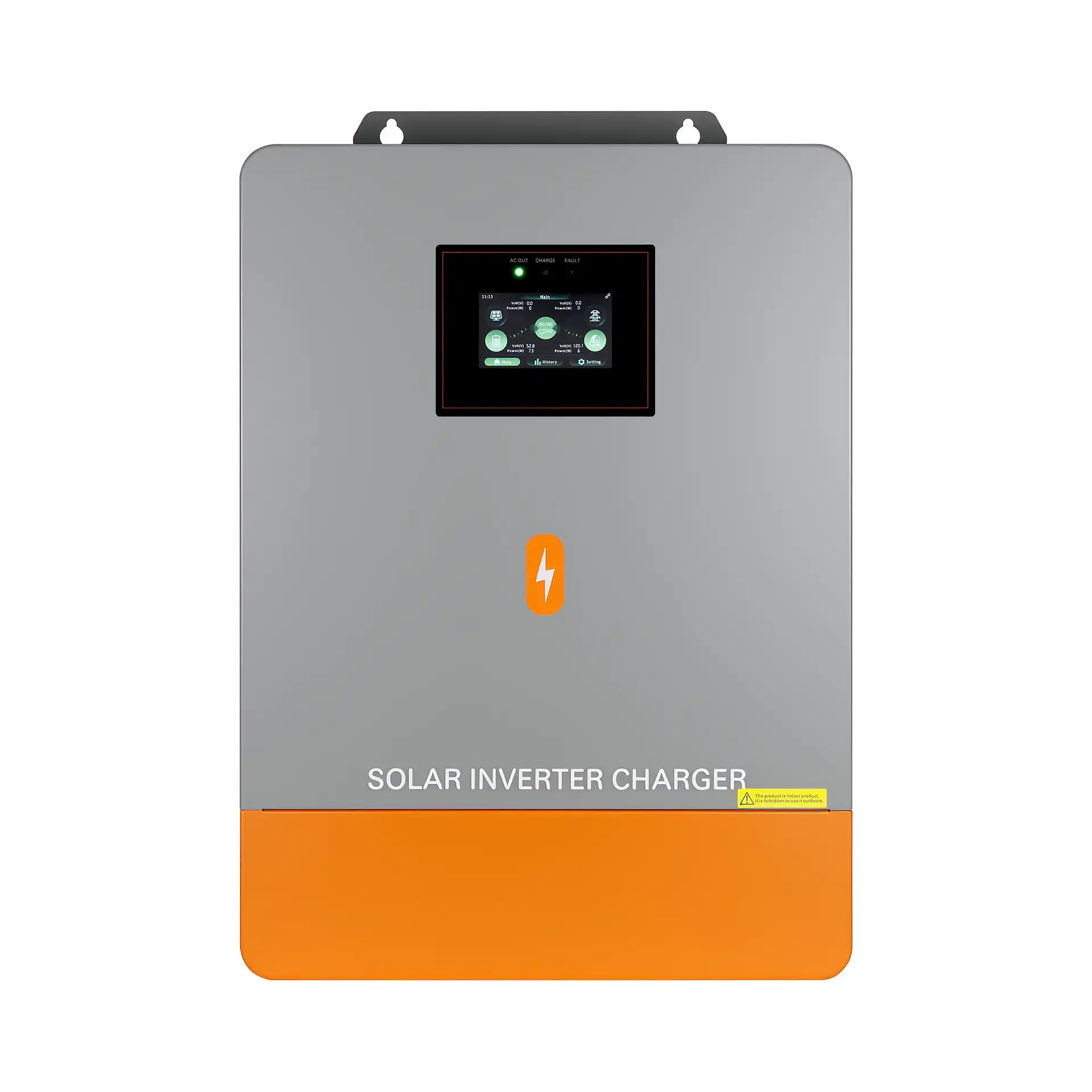
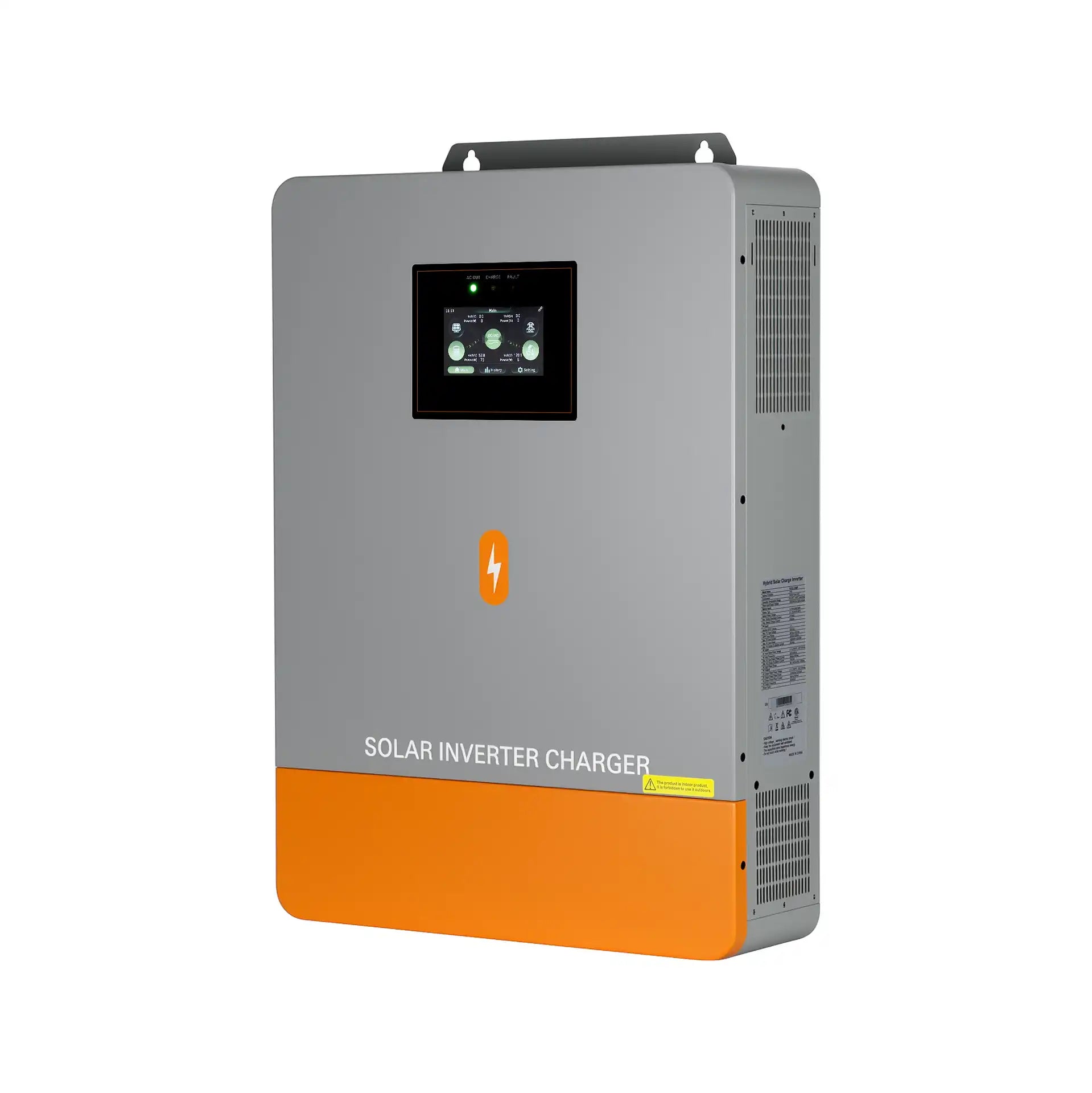
10KW 48Vdc All in One Inverter 110/240Vac Split Phase Supports 6 Units in Parallel
12KW 48Vdc All in One Inverter 110/240Vac Split Phase Supports 6 Units in Parallel
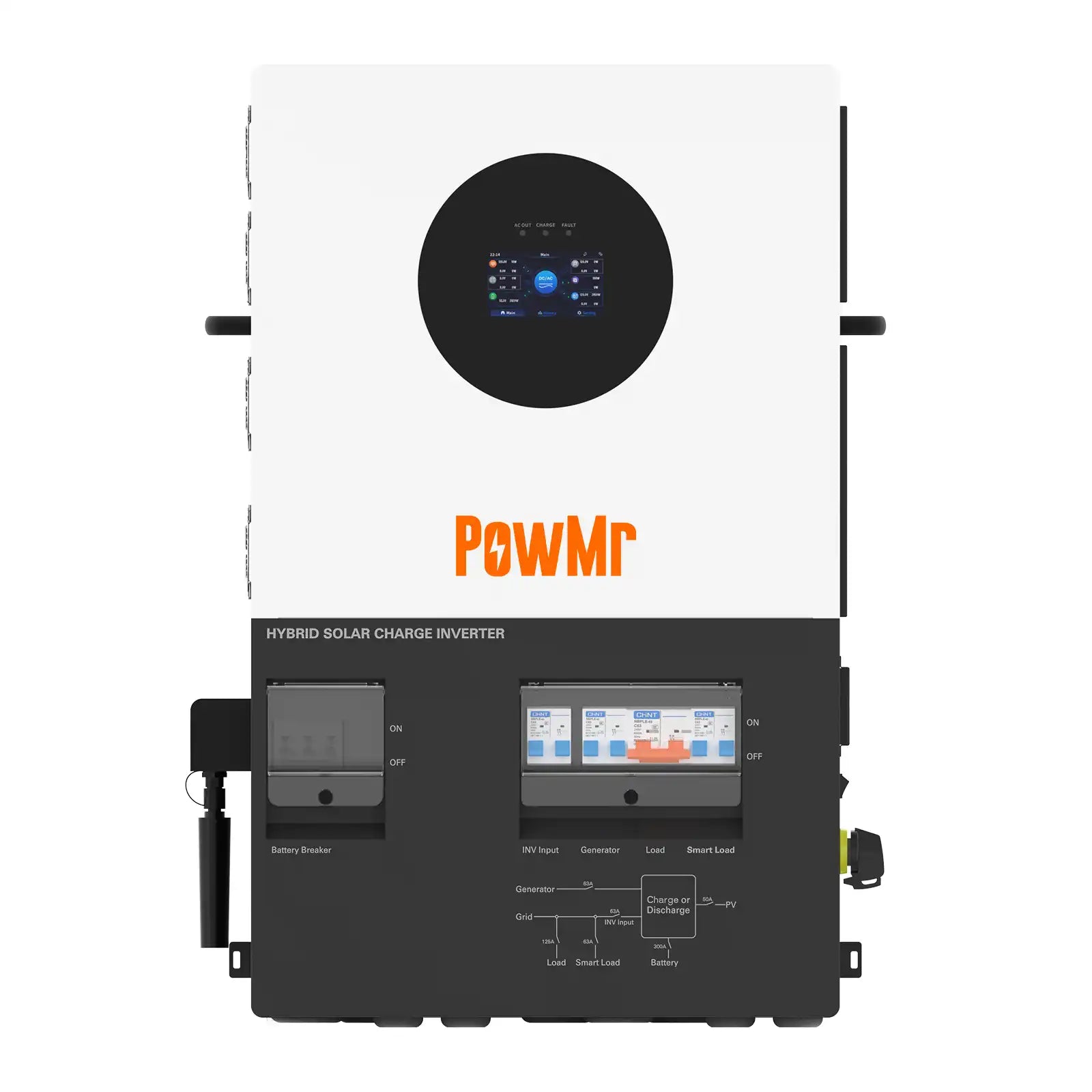
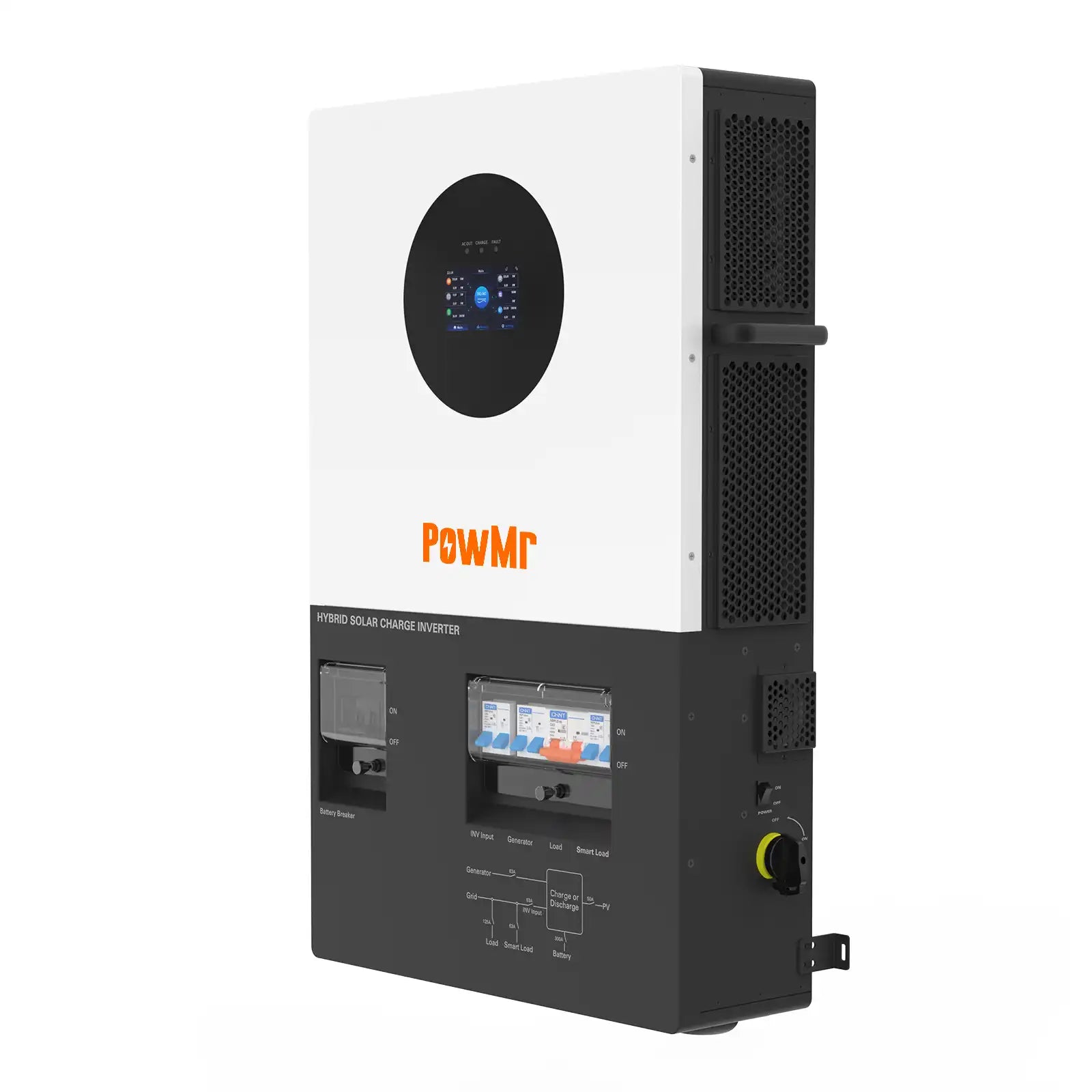
12KW 48V 110/240Vac Split Phase 200A Bypass Supports 6 Units in Parallel with Built-in WiFi
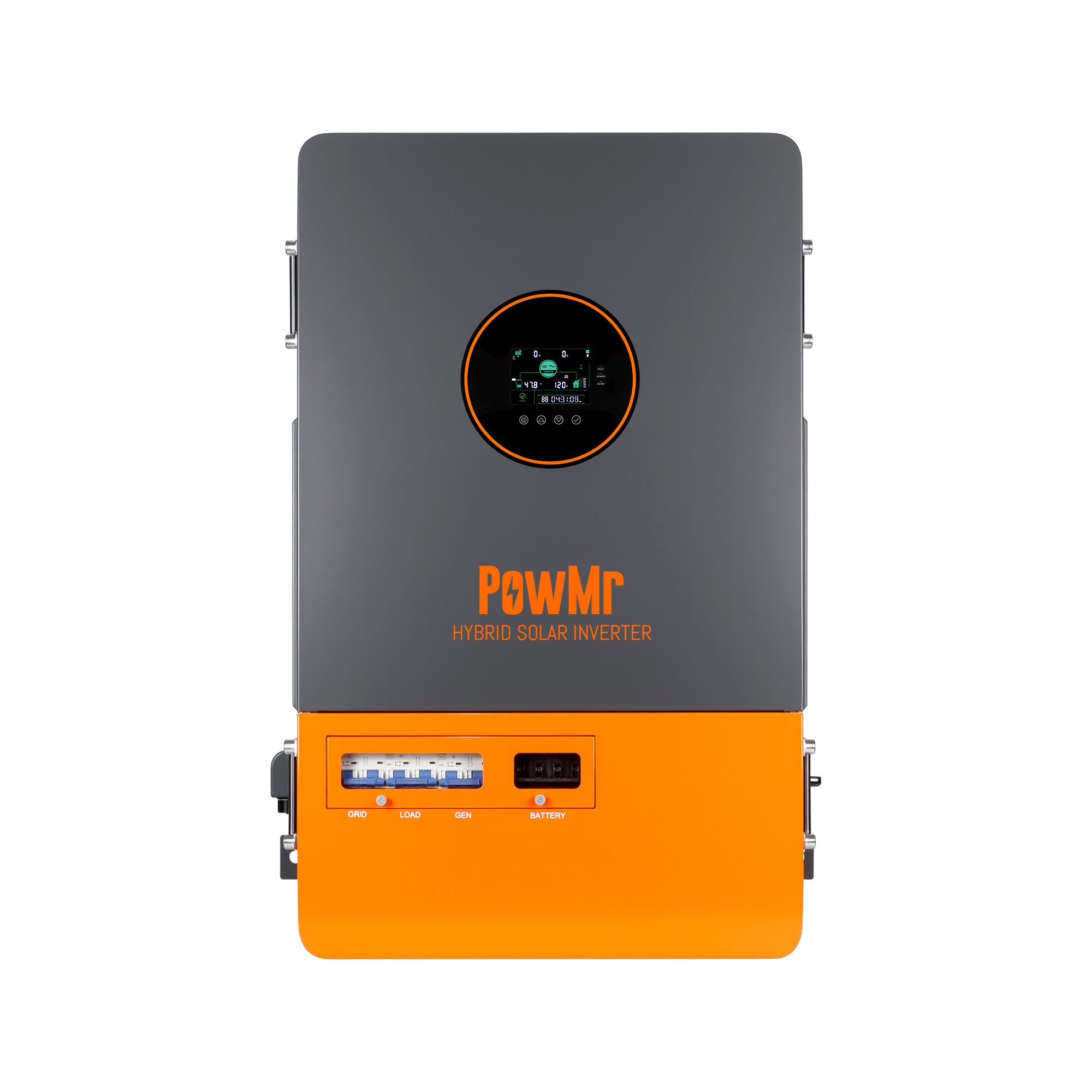
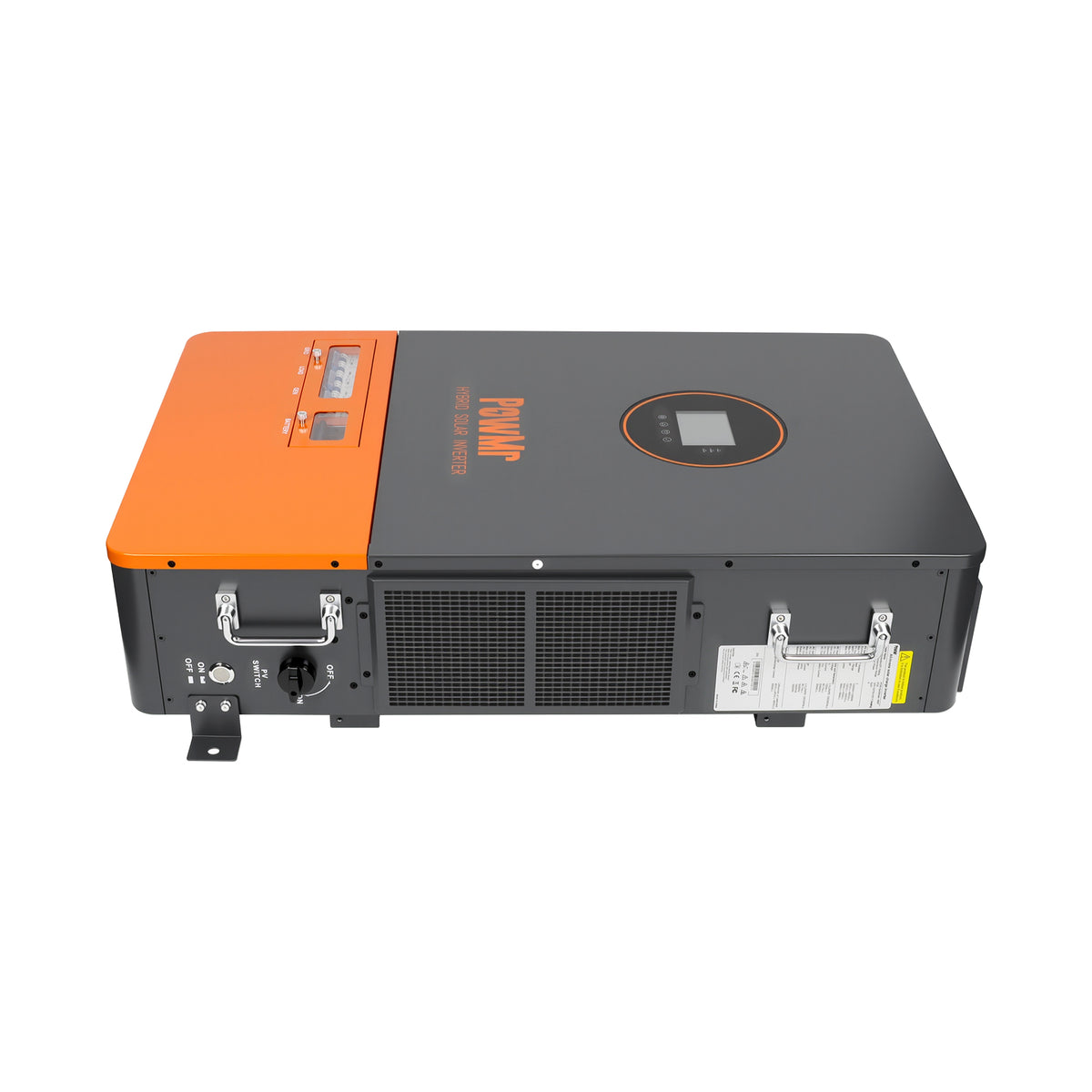
16KW 48Vdc All in One Inverter 110/240Vac Split Phase Supports 6 Units in Parallel
Find the Right Solar Inverter for Your Power Needs
Explore split phase, low frequency, and DC-AC power inverters for home, off-grid, and backup energy systems.