

110V DC-AC Power Inverter
Convert DC battery power into stable 110V AC electricity for home backup, RVs, off-grid cabins, trucks, tools, and small appliances.
What Is a 110V Power Inverter?
A 110V power inverter converts direct current from batteries into 110V alternating current, making it possible to run household appliances, power tools, chargers, lighting, and other AC devices where grid power is unavailable or unstable. It is widely used in RVs, trucks, cabins, backup power systems, and small off-grid energy setups.
Battery DC Input
Works with 12V, 24V, or 48V battery systems.
110V AC Output
Converts stored battery power into usable 110V AC electricity.
For Daily Appliances
Supports lights, fans, chargers, routers, TVs, and small tools.
Backup & Off-Grid Use
Ideal for RVs, trucks, cabins, home backup, and mobile power systems.
Filters
4 products
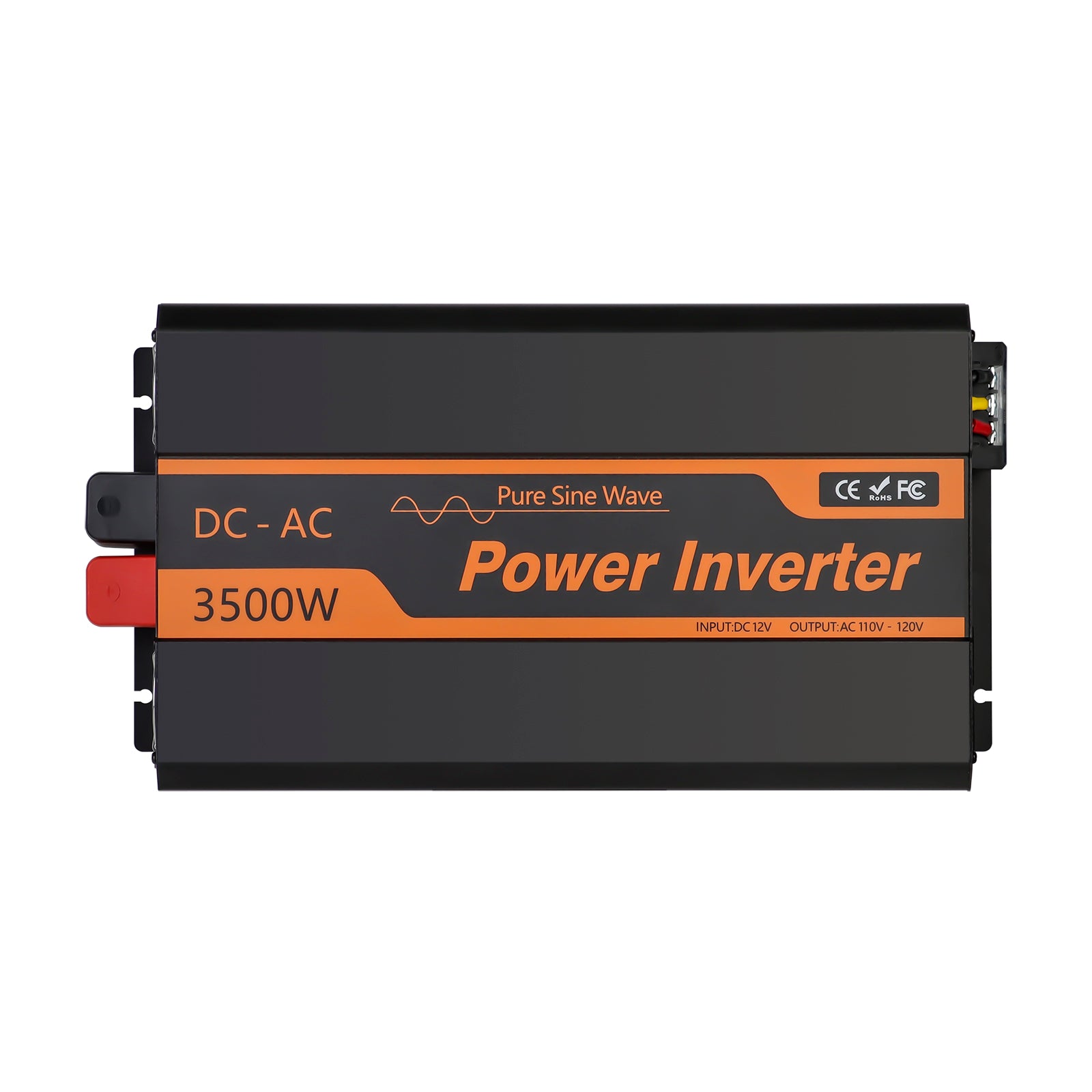
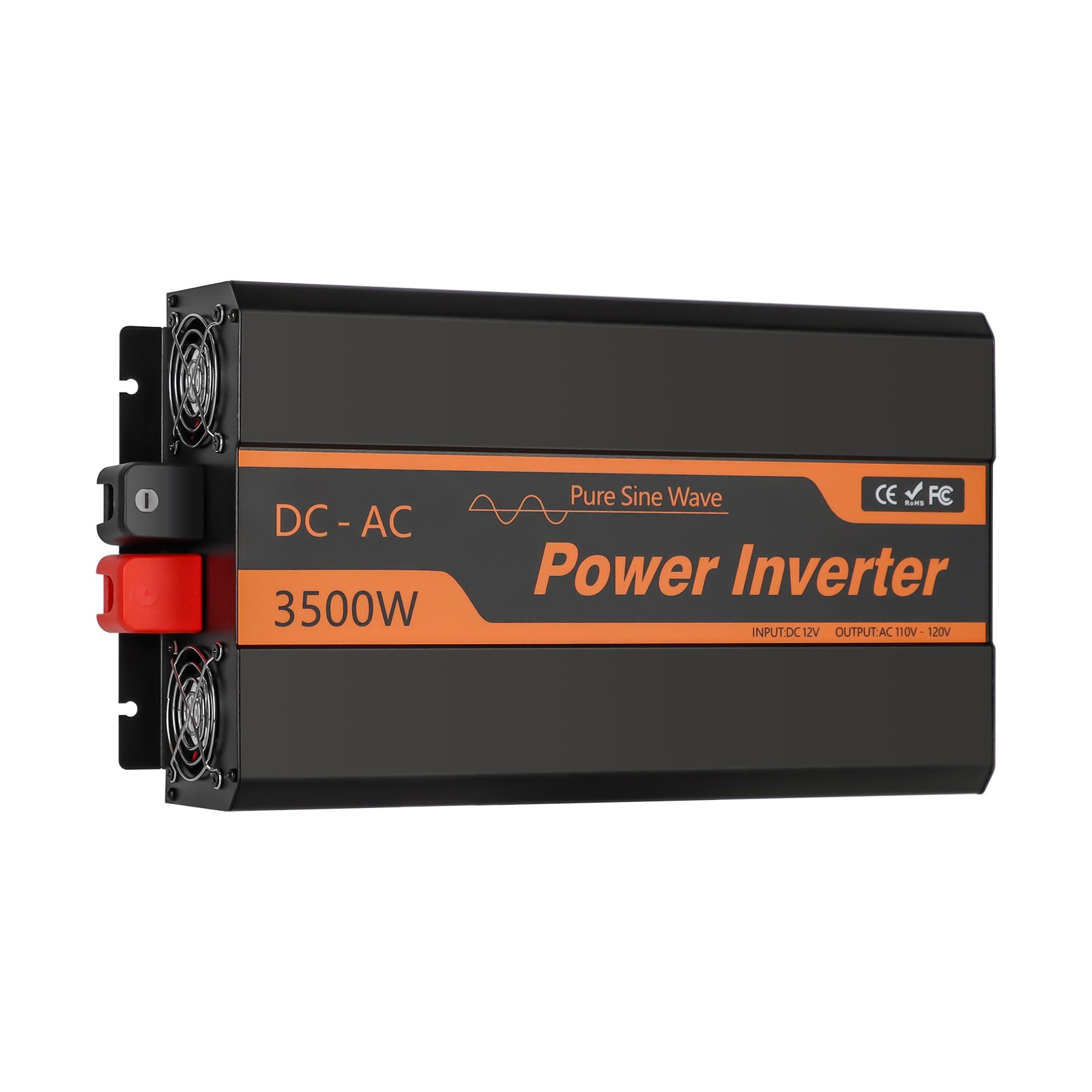
3500W DC 12V AC 110V Power Inverter
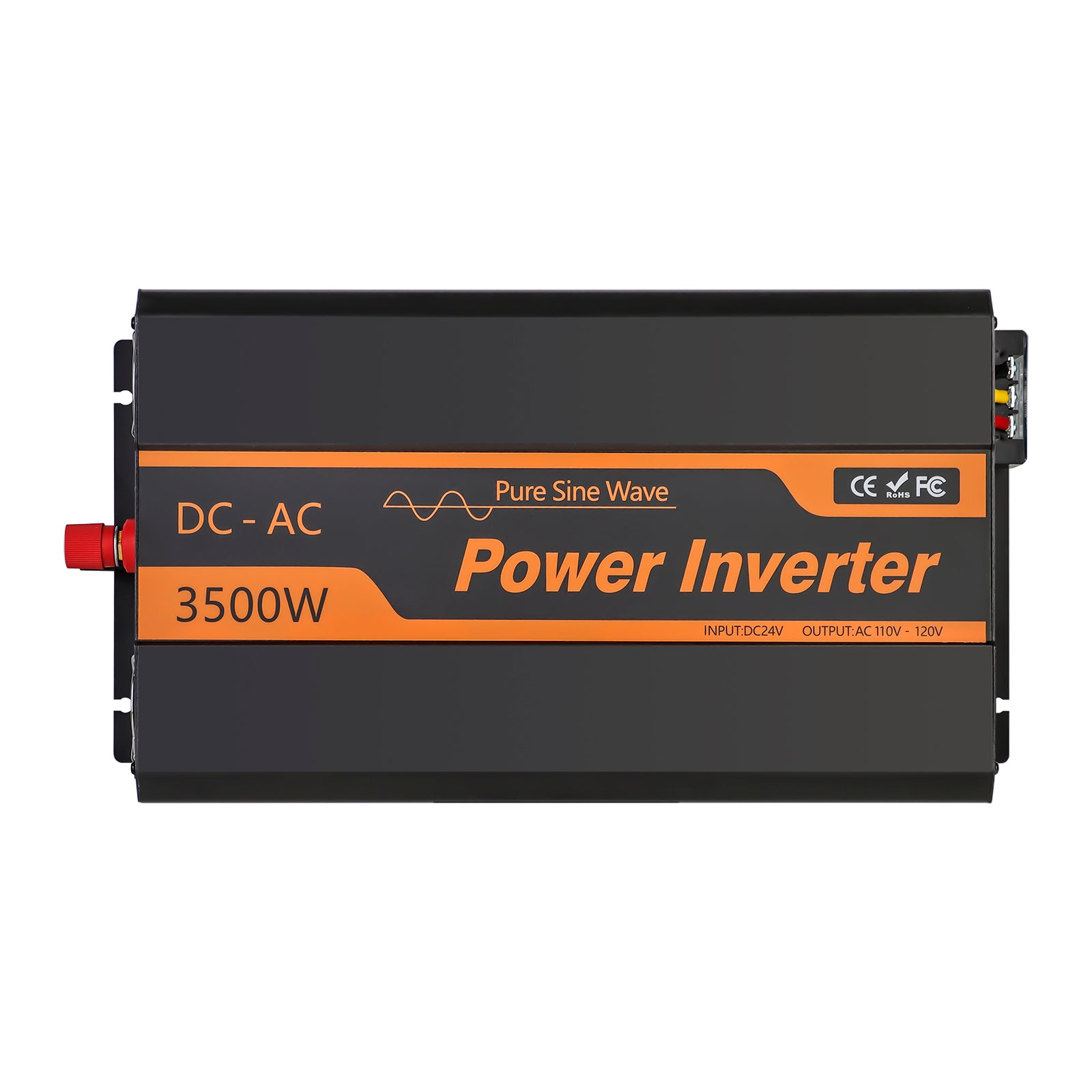
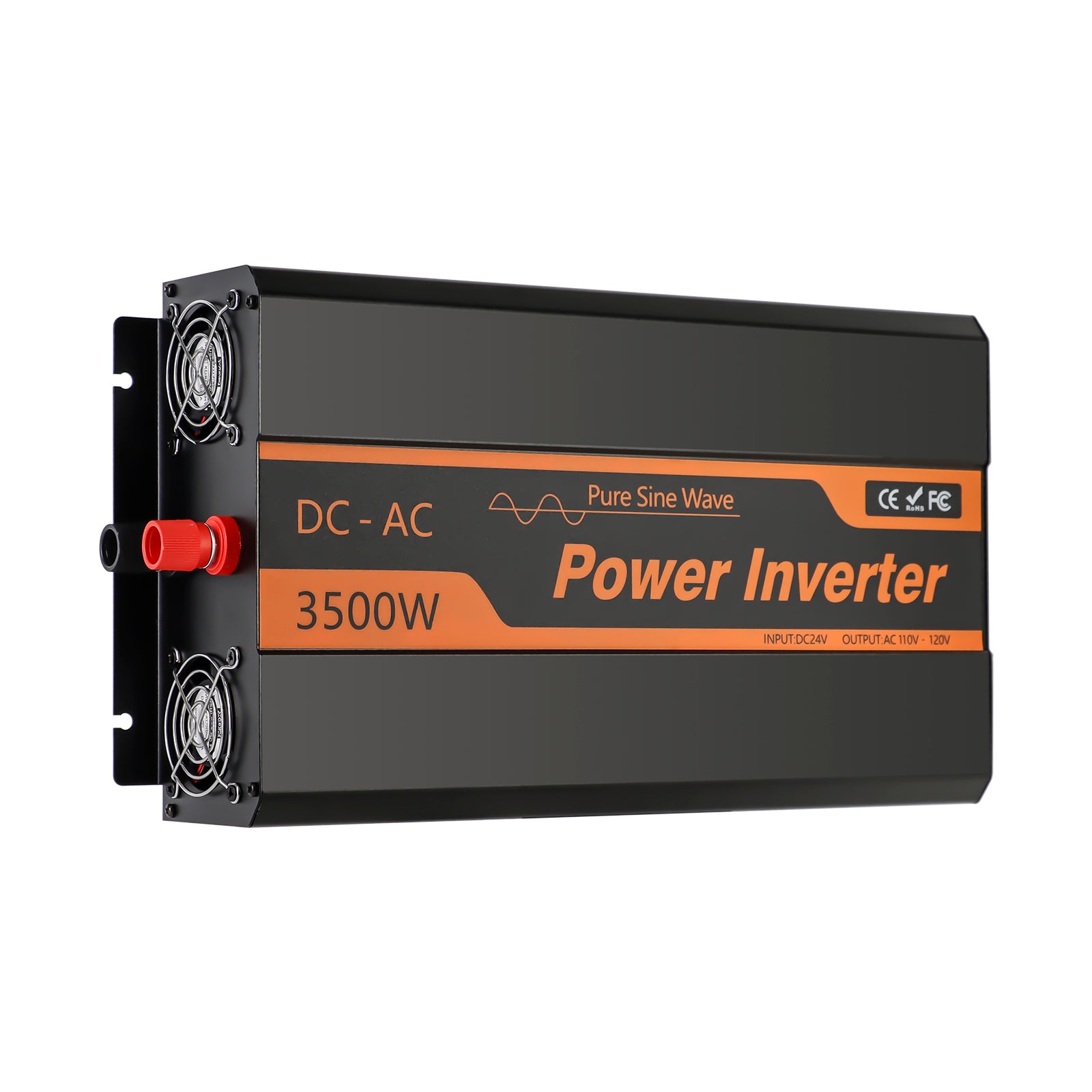
3500W DC 24V AC 110V Power Inverter
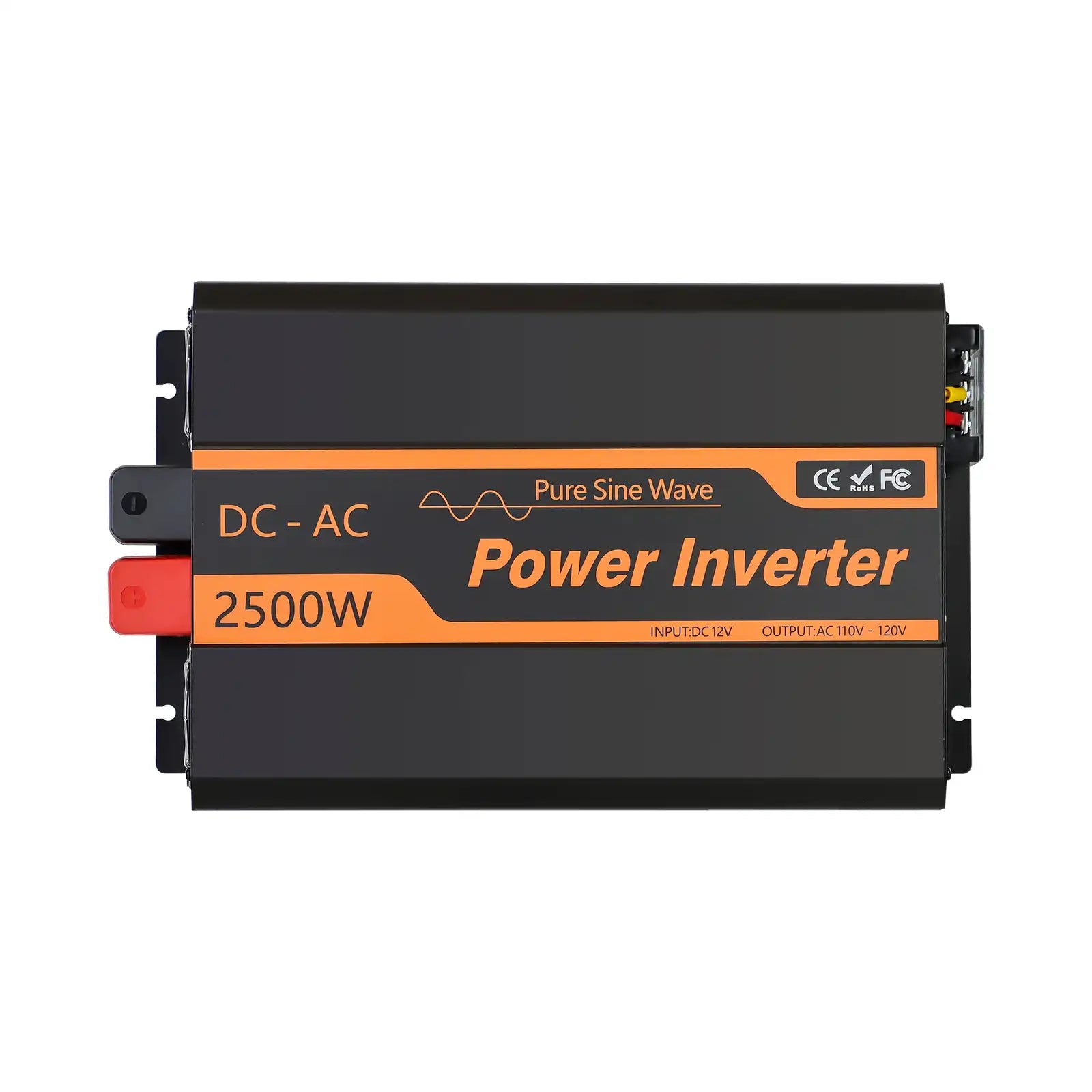
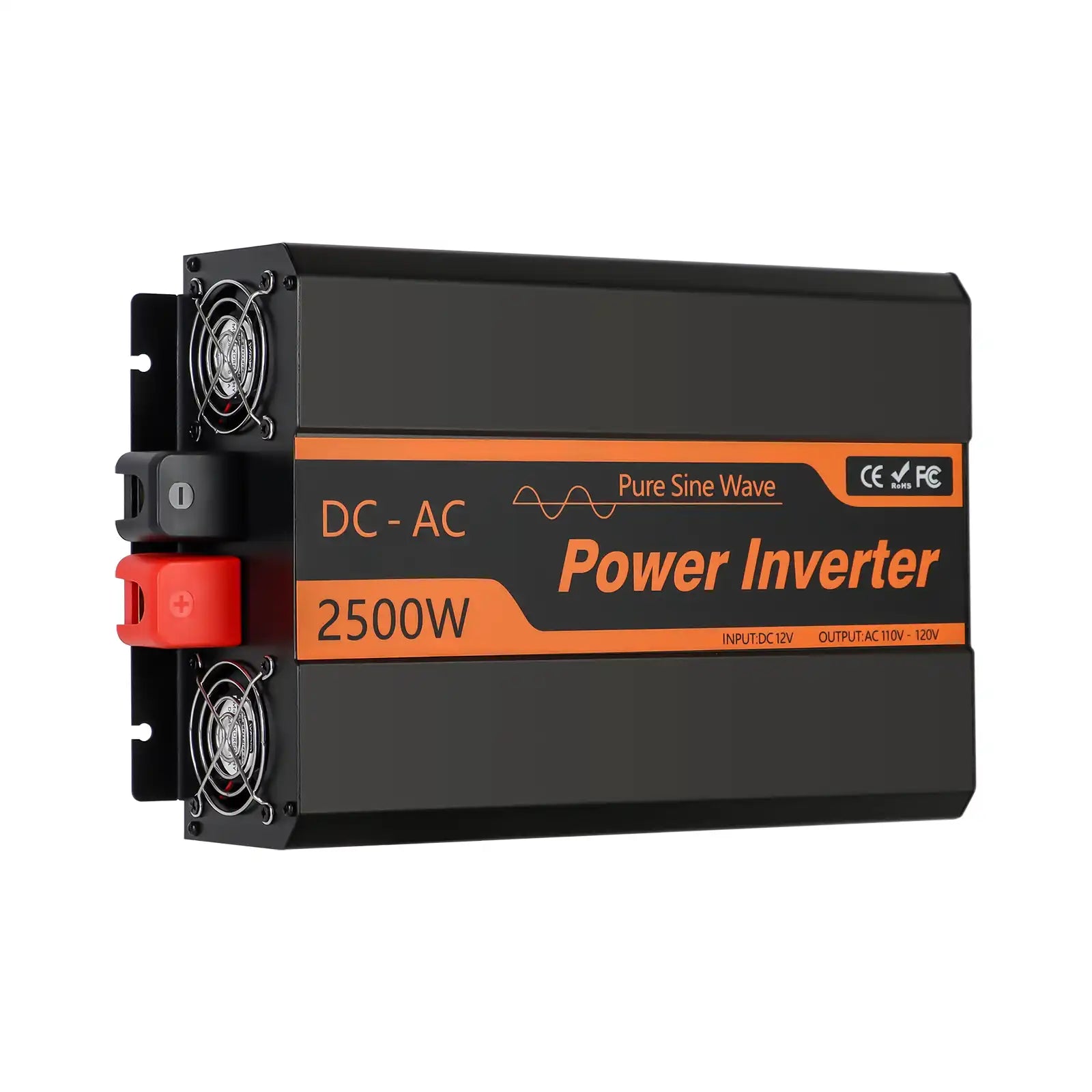
2500W DC 12V AC 110V Power Inverter
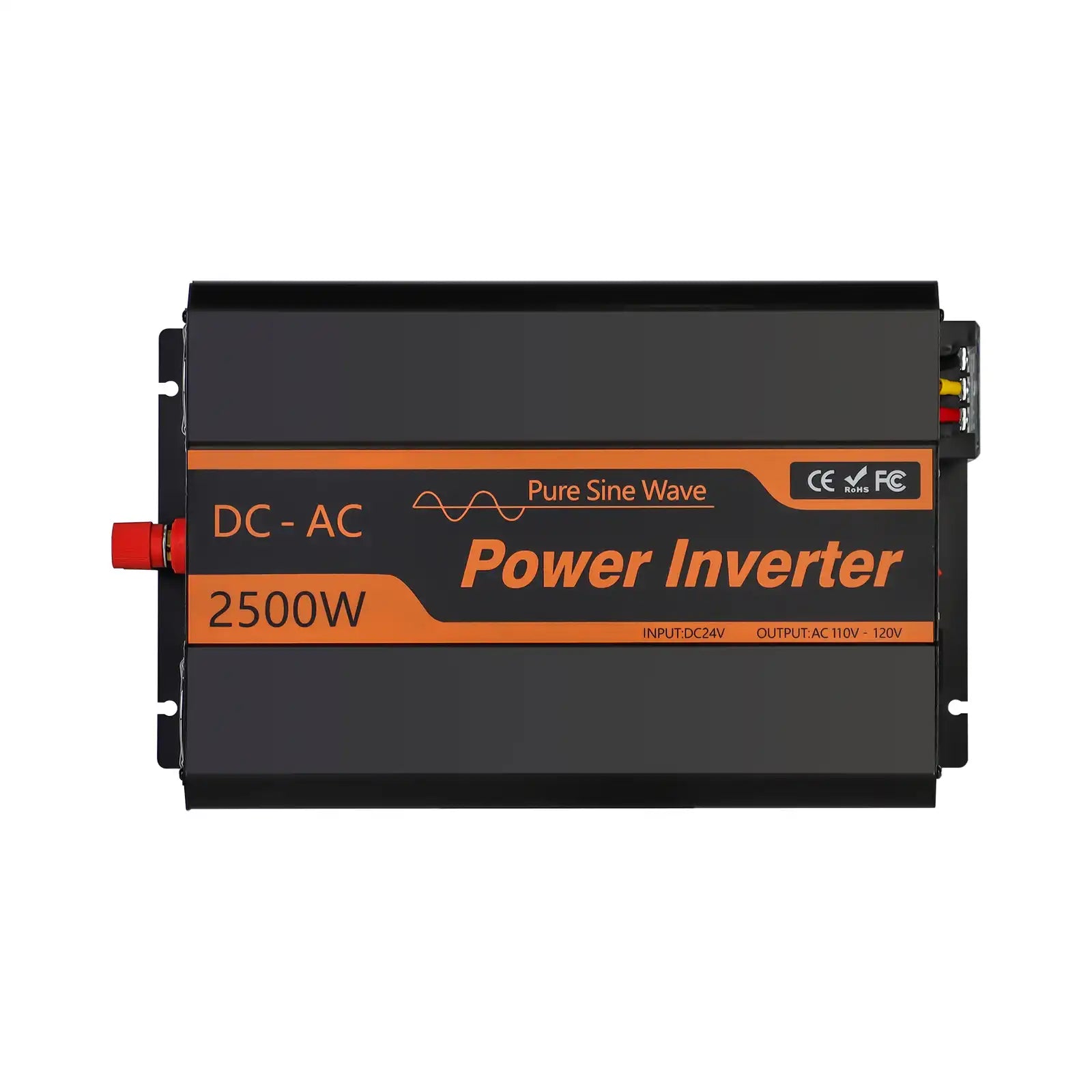
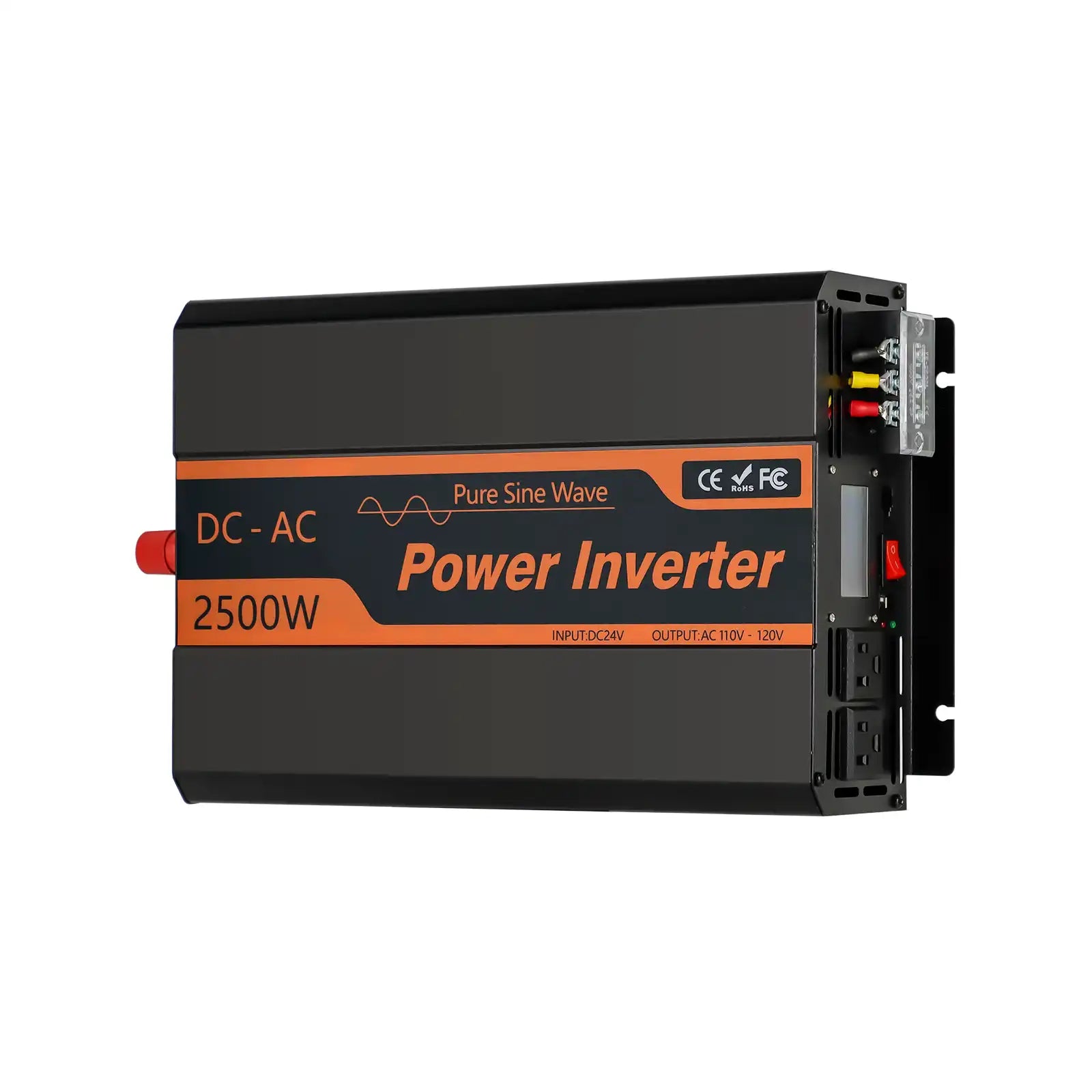
2500W DC 24V AC 110V Power Inverter
110V DC-AC Power Inverter vs Solar Inverter: What’s the Difference?
A 110V DC-AC power inverter and a solar inverter are both used to produce AC electricity, but they are designed for different power systems. A DC-AC power inverter mainly converts battery DC power into 110V AC power, while a solar inverter usually manages solar panel input, battery charging, grid connection, or complete solar energy systems.
110V Power Inverter
Converts battery DC power into 110V AC electricity
Battery bank, such as 12V, 24V, or 48V DC
110V / 120CV AC for household appliances and small electrical devices
Usually does not include solar charging function
Usually inverter function only, unless it is an inverter charger
Normally not designed for grid-tie use
110V All-in-one Inverter
Converts solar energy into AC power and may manage charging or grid input
Solar panels, battery, and grid (or generator), with intelligent energy management and automatic source prioritization.
110/220V, 120/240V Split-phase output
AC depending on system design
Often supports solar input and MPPT solar charging
Many solar inverters support battery charging from solar or grid
Some models support grid input, grid-tie, or hybrid operation
Find the Right Solar Inverter for Your Power Needs
Explore all-in-one, split-phase, low-frequency, and DC-AC power inverters designed for reliable home backup and off-grid energy systems.
Power Inverter FAQs
Find quick answers about 110V DC-AC power inverters, including battery compatibility, load capacity, installation, protection functions, and common off-grid applications.
What battery voltage does a 110V DC-AC power inverter use?
Most 110V DC-AC power inverters are designed for a specific battery voltage, such as 12VDC or 24VDC. Before installation, make sure the battery voltage matches the inverter’s rated DC input voltage, because voltage mismatch may cause permanent damage.
What can a 110V DC-AC power inverter run?
A 110V DC-AC power inverter can run many AC appliances such as lights, fans, TVs, small tools, refrigerators, computers, chargers, and other compatible 110V loads. Always check the total running wattage and starting surge power of the connected devices before use.
Is a pure sine wave inverter better for 110V appliances?
Yes. A pure sine wave inverter provides cleaner and more stable AC output, making it more suitable for sensitive electronics, motors, refrigerators, power tools, and home appliances. This type of inverter is a better choice when stable 110V AC power is needed for daily or backup use.
What is the efficiency of power inverter?
When it works the power inverter will consume a part of the input power. The output power will be lower than the input power. That efficiency of the power inverter is the ratio of output power and input power. If the input power is 100 watts (from DC power), and the output power is 80 watts (for AC power). Then the efficiency of power inverter is 80%.
When we using a power inverter, it is better not powered the device for more than 80% of the rated power, and not to be continuously used for a long time.
Can I use the power inverter for my car when the engine is turned off?
Yes, when using for 300 watts load, the general car battery can provide power approximately 25-55 minutes in the case of the engine is turned off. If the load is a laptop with 40 watts, the power time will be longer. The power inverter has an under-voltage warning and under-voltage protection circuit. If the battery voltage drops to 10 volts, the under-voltage protection circuit is activated, and the output voltage is cut off. It will prevent the battery voltage is too low and had a start accident of the car engine.
If we prepare another battery and connected to the car battery, then the working time of the power inverter can be doubled.
What protection functions should a 110V DC-AC power inverter have?
A reliable 110V DC-AC power inverter should include overload protection, short circuit protection, over-temperature protection, low-voltage protection, and over-voltage protection. These functions help protect both the inverter and connected appliances during abnormal operating conditions.
Why does my inverter shut down or beep?
The inverter may shut down or beep because of overload, low battery voltage, high battery voltage, short circuit, overcurrent, or high internal temperature. Reduce the load, recharge the battery, check wiring, and make sure the inverter has enough ventilation space.