
Energy Storage Systems for Solar Backup & Smart Power Management
- All-in-one, modular, and cabinet ESS solutions
- Scalable energy storage for different requirements
- Suitable for residential, commercial, and industrial use
Home Energy Storage System
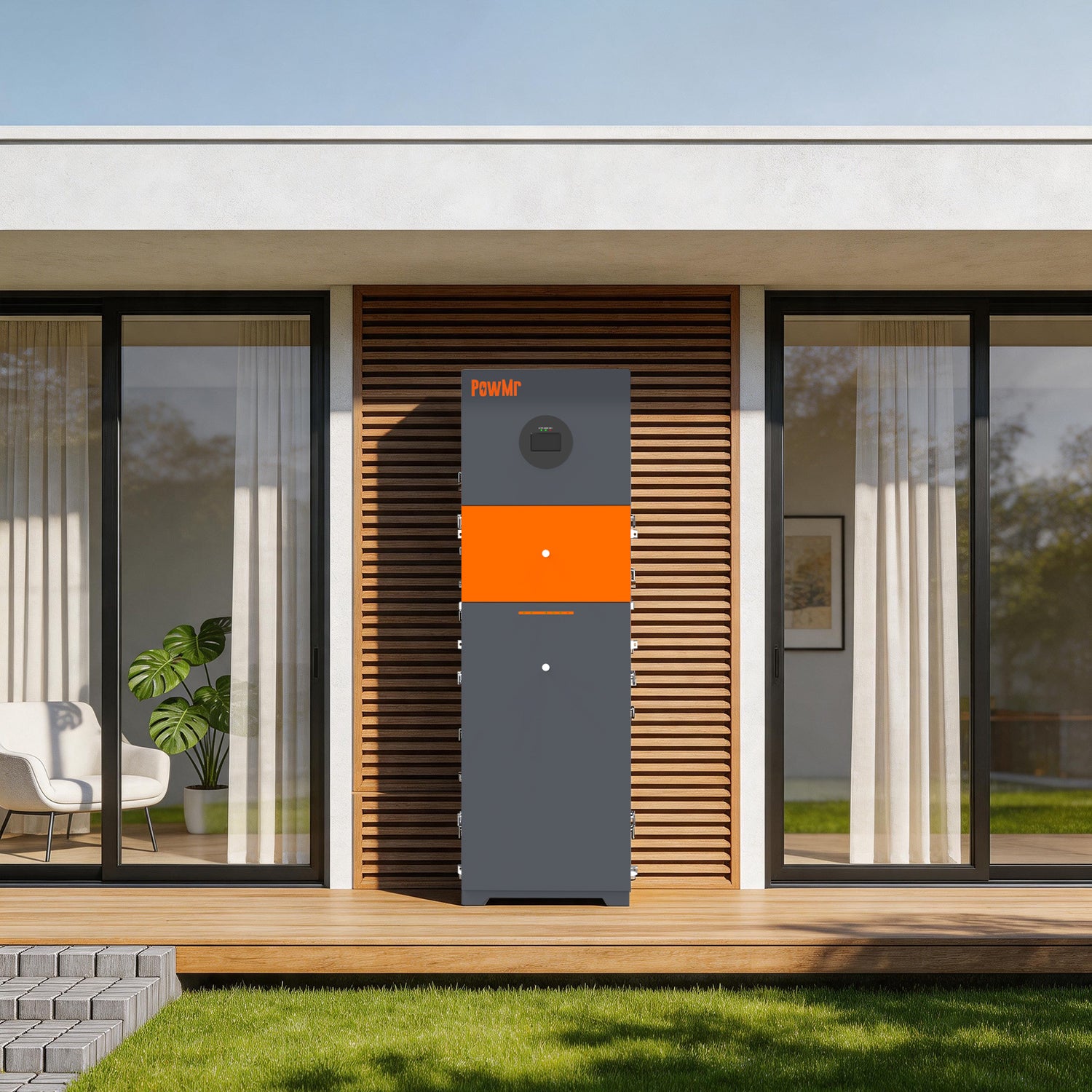
One Integrated System for Solar, Battery and Backup Power
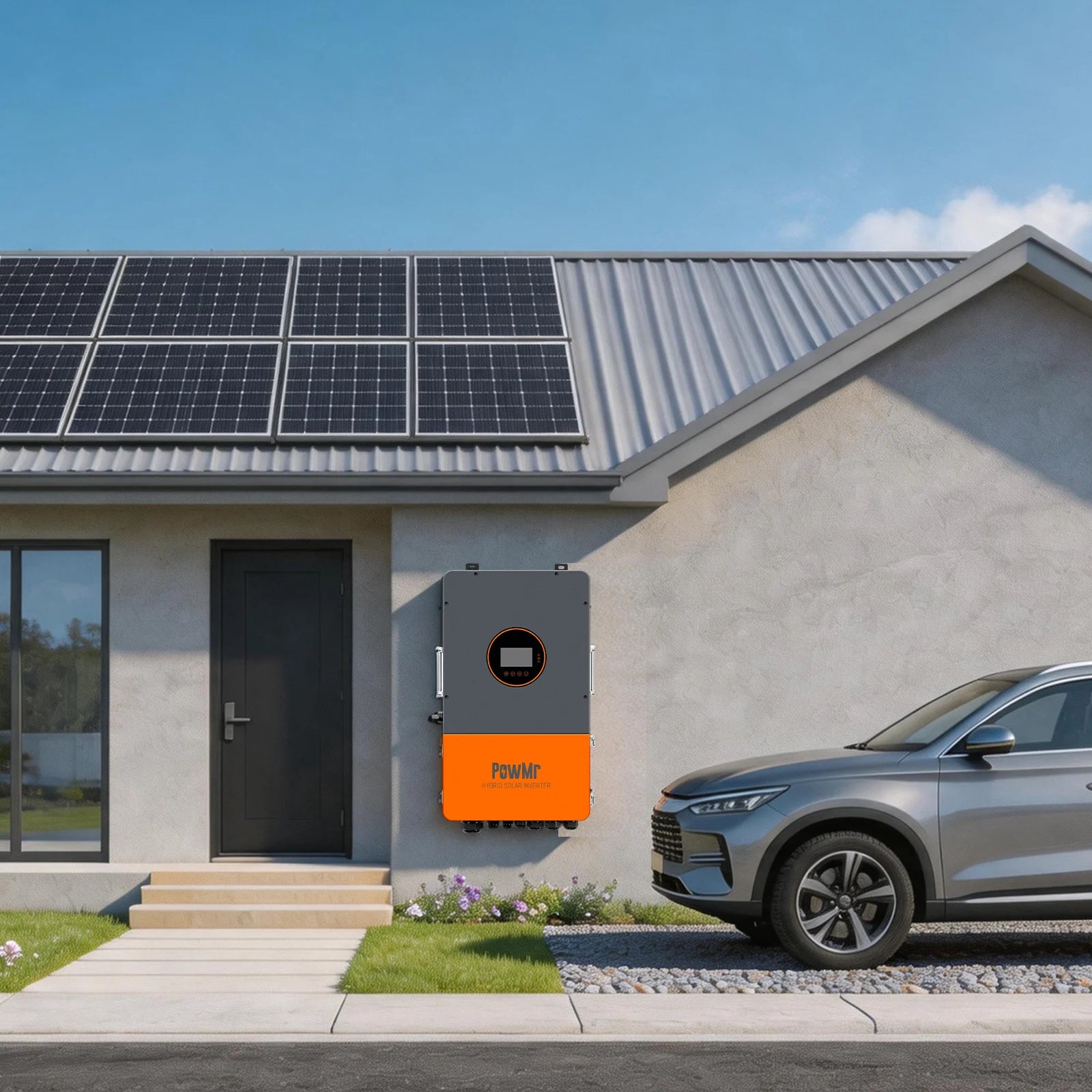
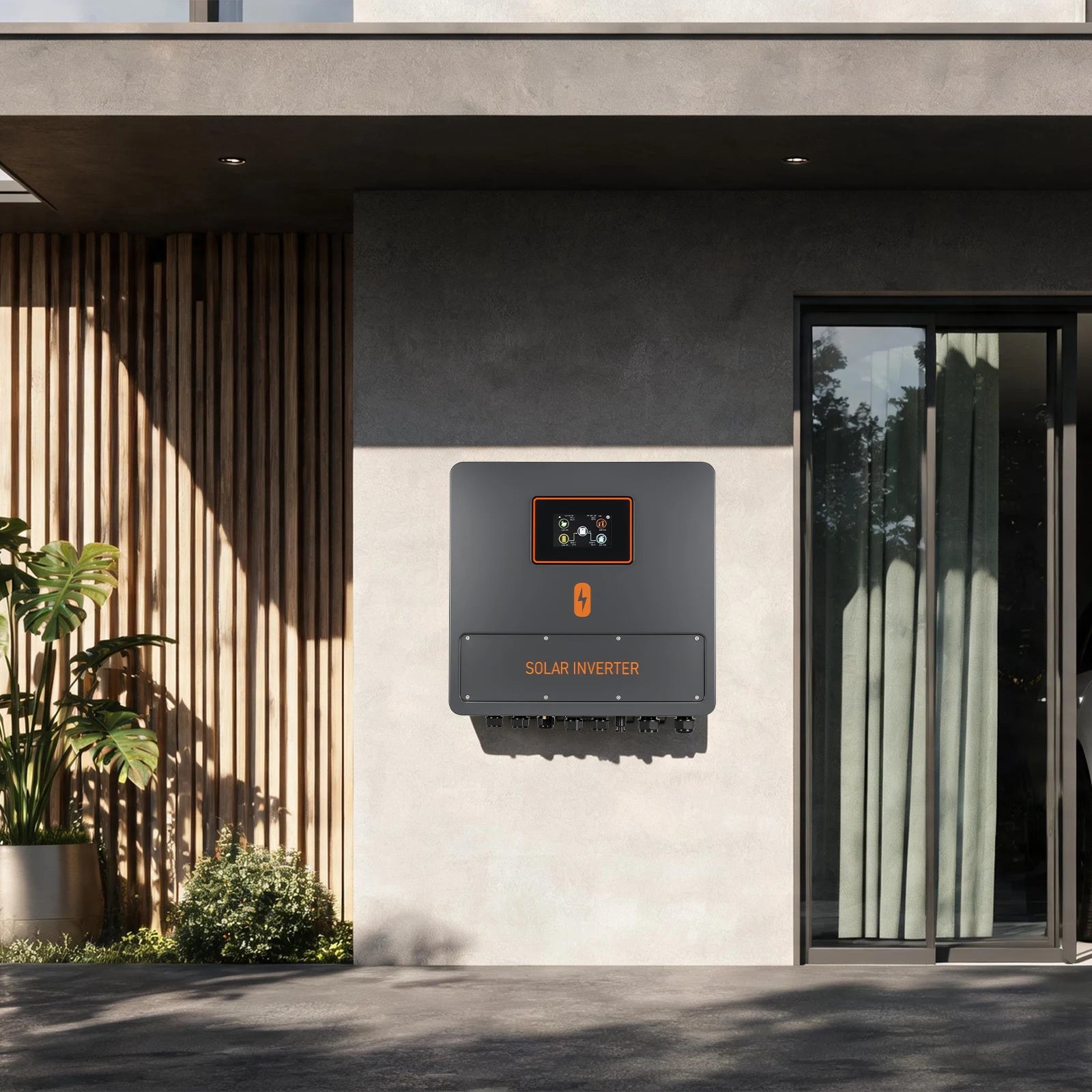
An all-in-one energy storage system integrates a solar inverter, lithium battery, BMS and energy management in one unit for easier installation.
During the day, solar power runs household loads and charges the battery. At night or during an outage, the battery supplies power, while grid or generator input can provide backup when needed.
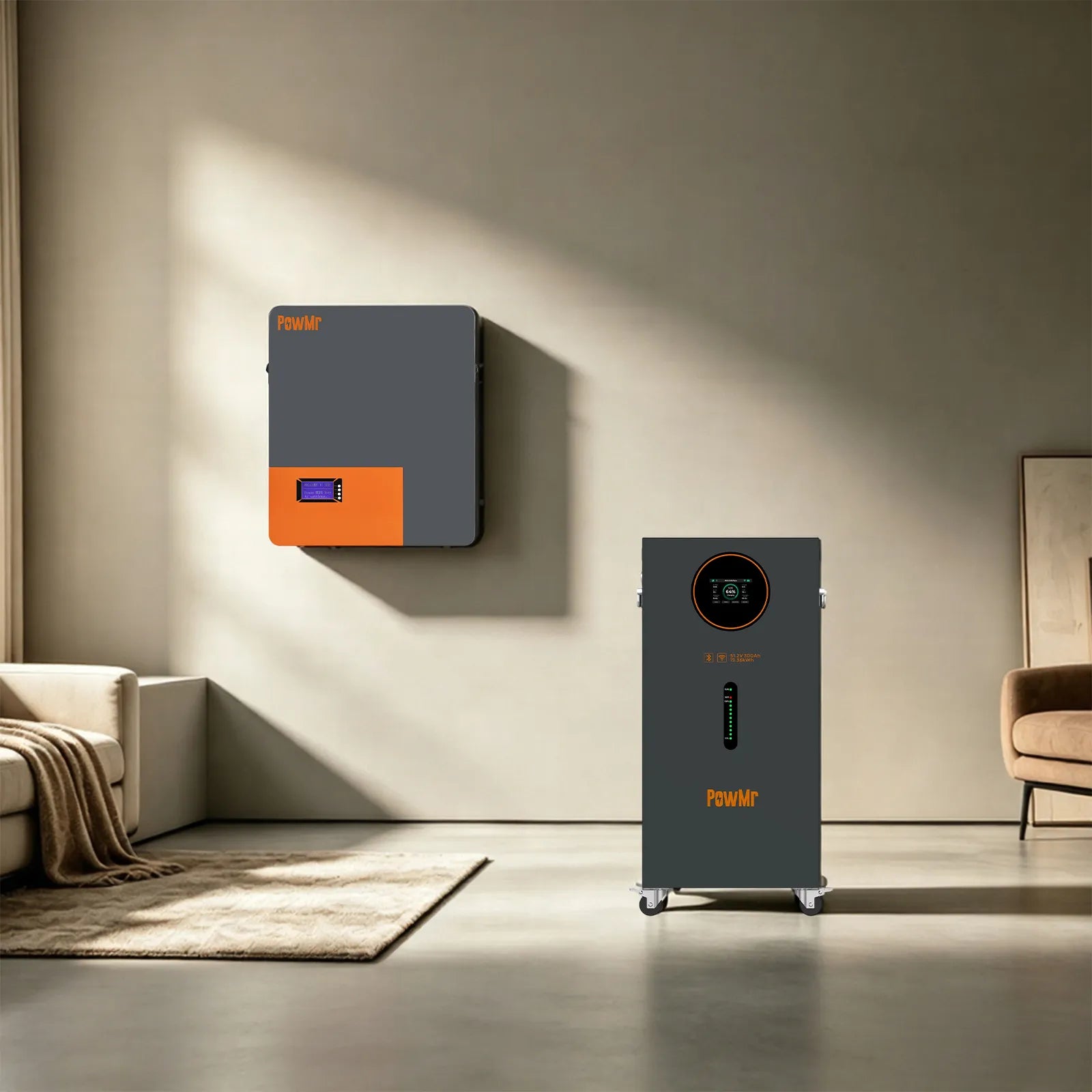
Integrated Inverter and Battery
Matched inverter, battery and communication components reduce system complexity and make installation more straightforward.
Solar and Grid Energy Management
Manage energy from solar panels, battery storage, utility power and compatible generators through one coordinated system.
Intelligent Battery Protection
The integrated BMS monitors battery voltage, current, temperature and operating status to improve system safety and battery management.
Flexible Operating Modes
Configure charging priorities and power-source preferences according to solar availability, electricity costs and backup requirements.
Smart System Monitoring
View system status through the built-in display, with RS485, CAN and model-dependent Wi-Fi monitoring options.
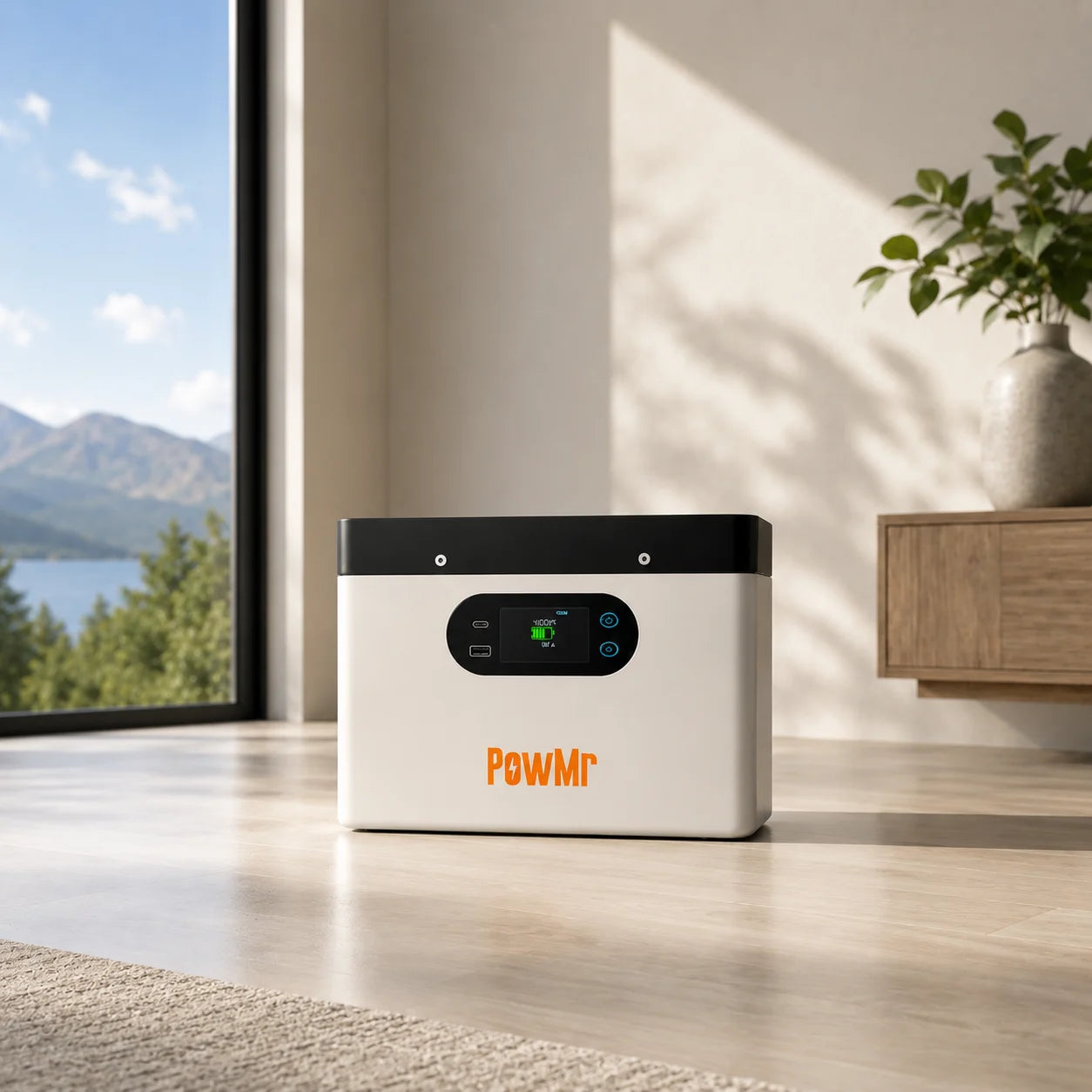
How Does an All-in-One Solar Energy Storage System Work?
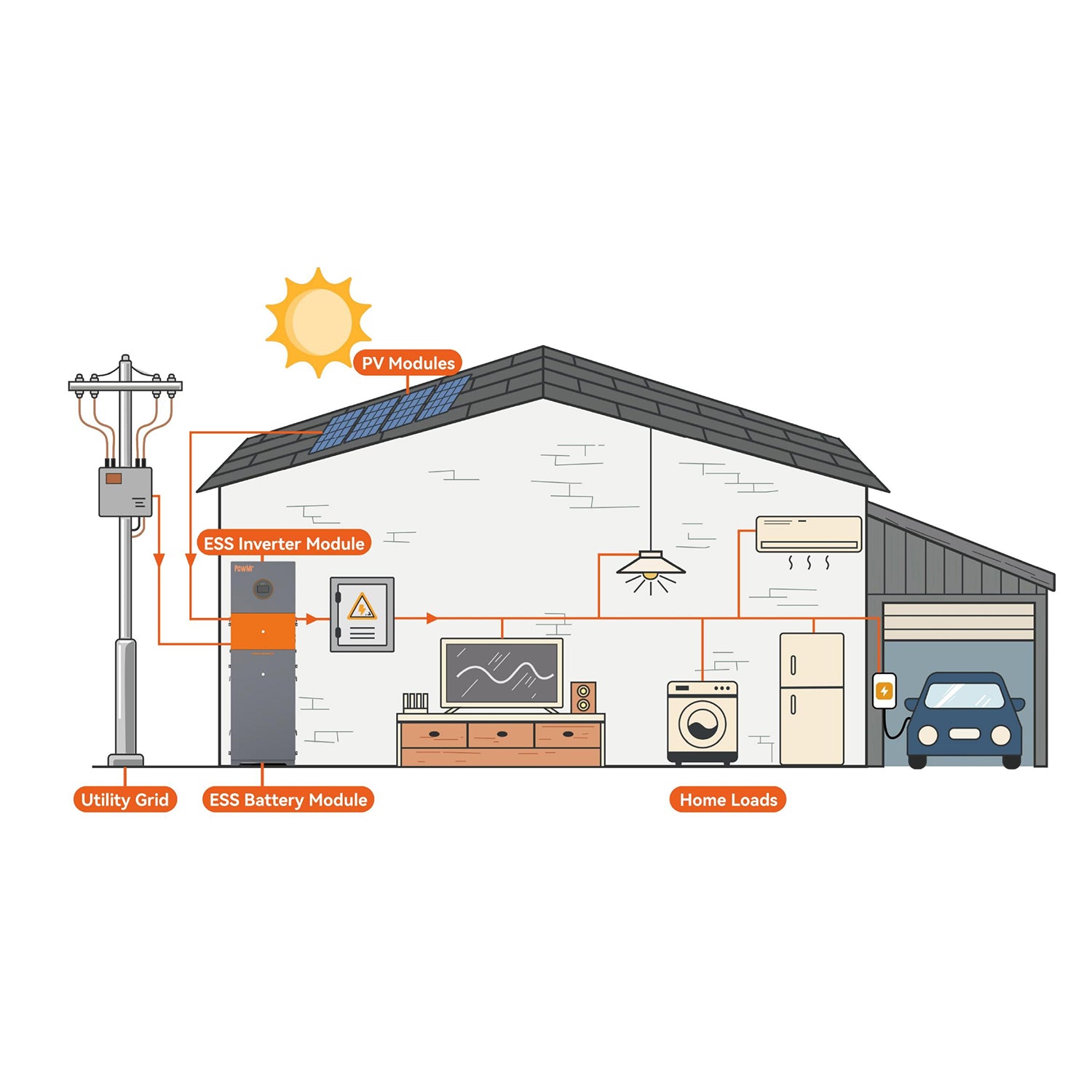
Home Battery Backup System Overview
Solar Panels
Convert sunlight into DC power for battery charging and load supply.
Utility Grid or Generator
Provides power to the loads and charges the battery when solar energy is insufficient.
ESS Battery Module
Stores electricity and supplies backup power during low solar generation or grid outages.
ESS Inverter Module
Converts DC power into AC power and manages energy flow between solar, battery, grid and loads.
Home Loads
Supports compatible appliances
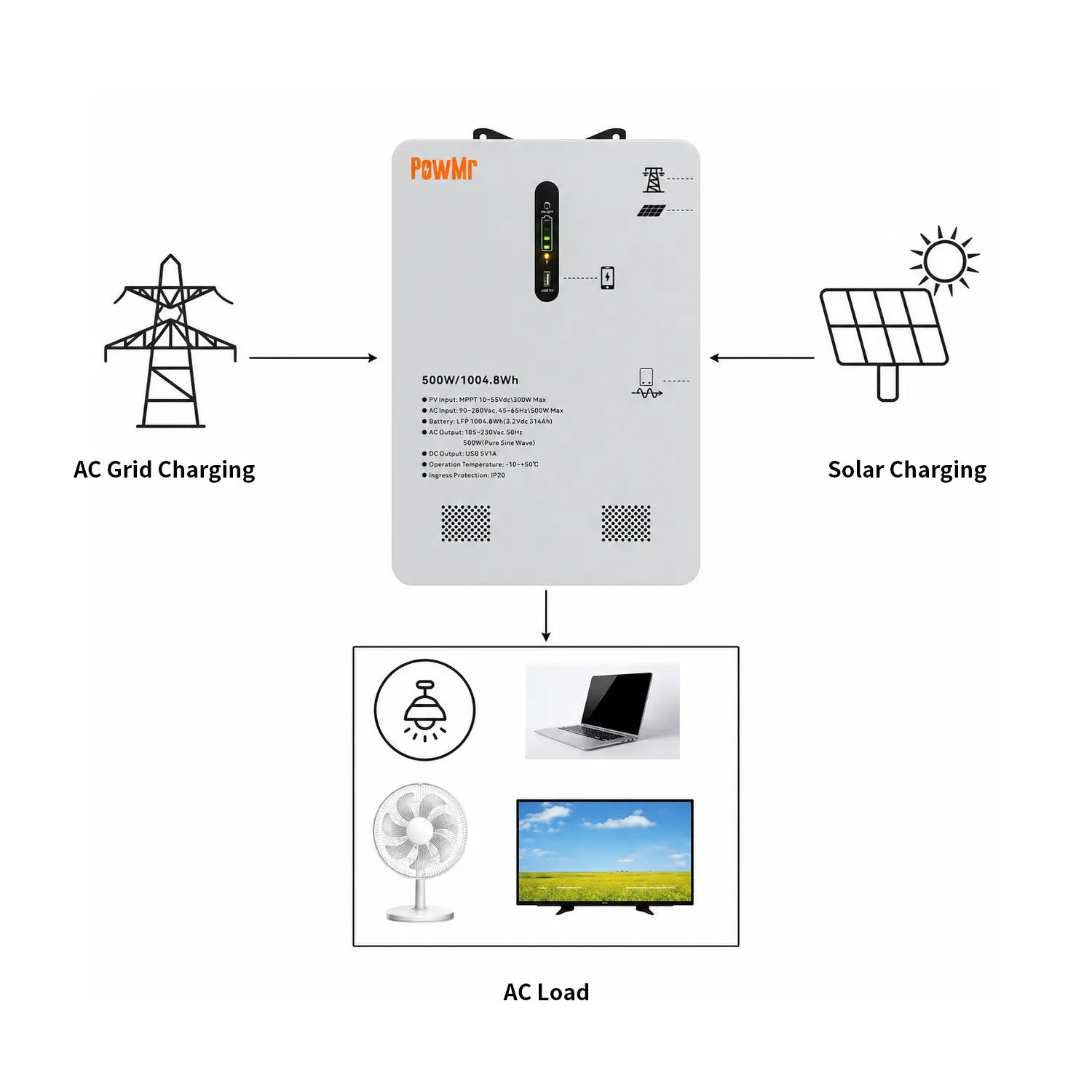
Recharge from Solar Panels or the Grid
Solar Charging
Connect a compatible solar panel within the specified MPPT voltage and maximum input power range. The 500W models support up to 400W solar input, while the 1000W models support up to 550W.
AC Grid Charging
Recharge the built-in battery from a compatible AC power source. Always select the correct 110V or 220V version for the local power supply.
Integrated Power Management
The built-in charging system manages solar input, grid input, battery status and AC output without requiring a separate external inverter or battery charger.
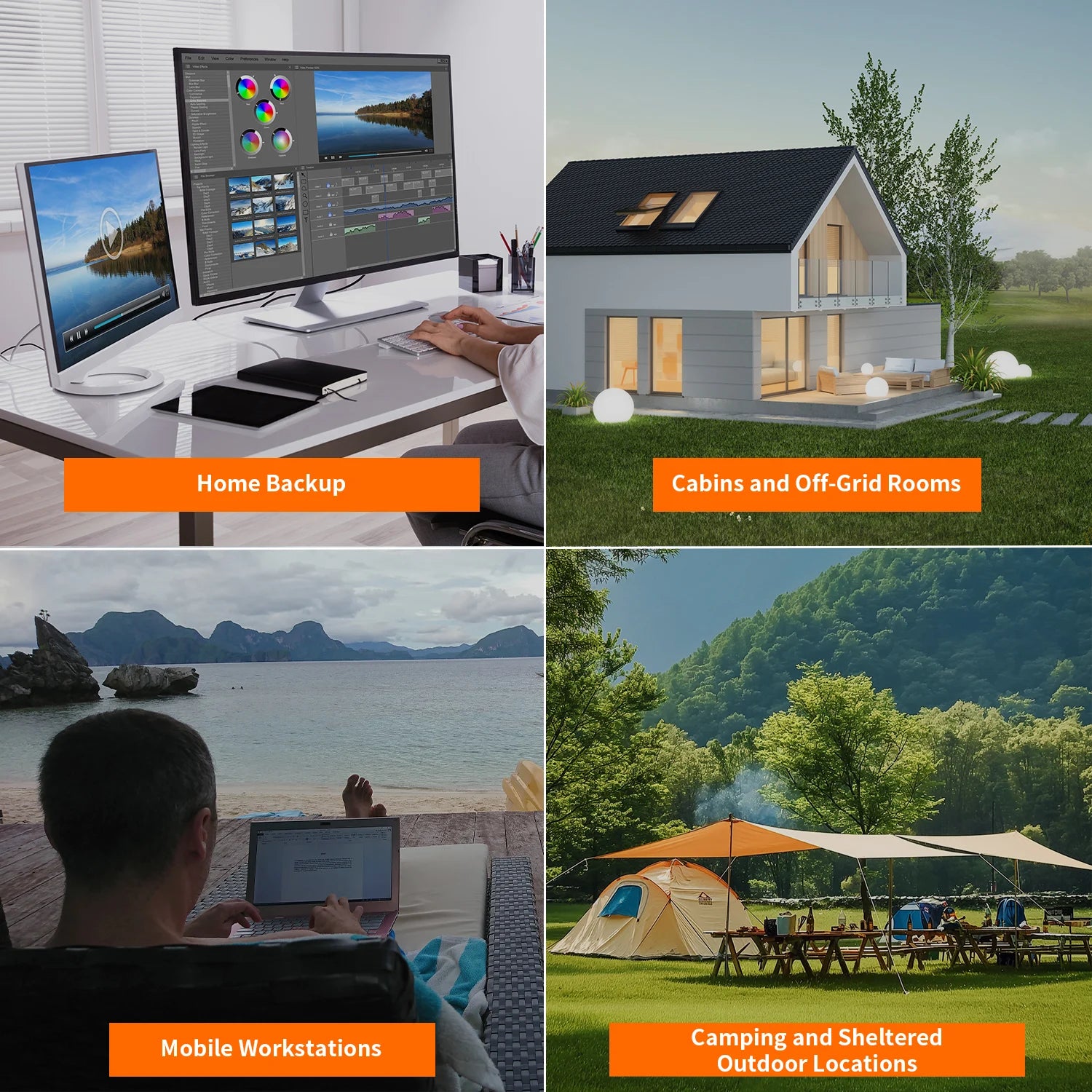
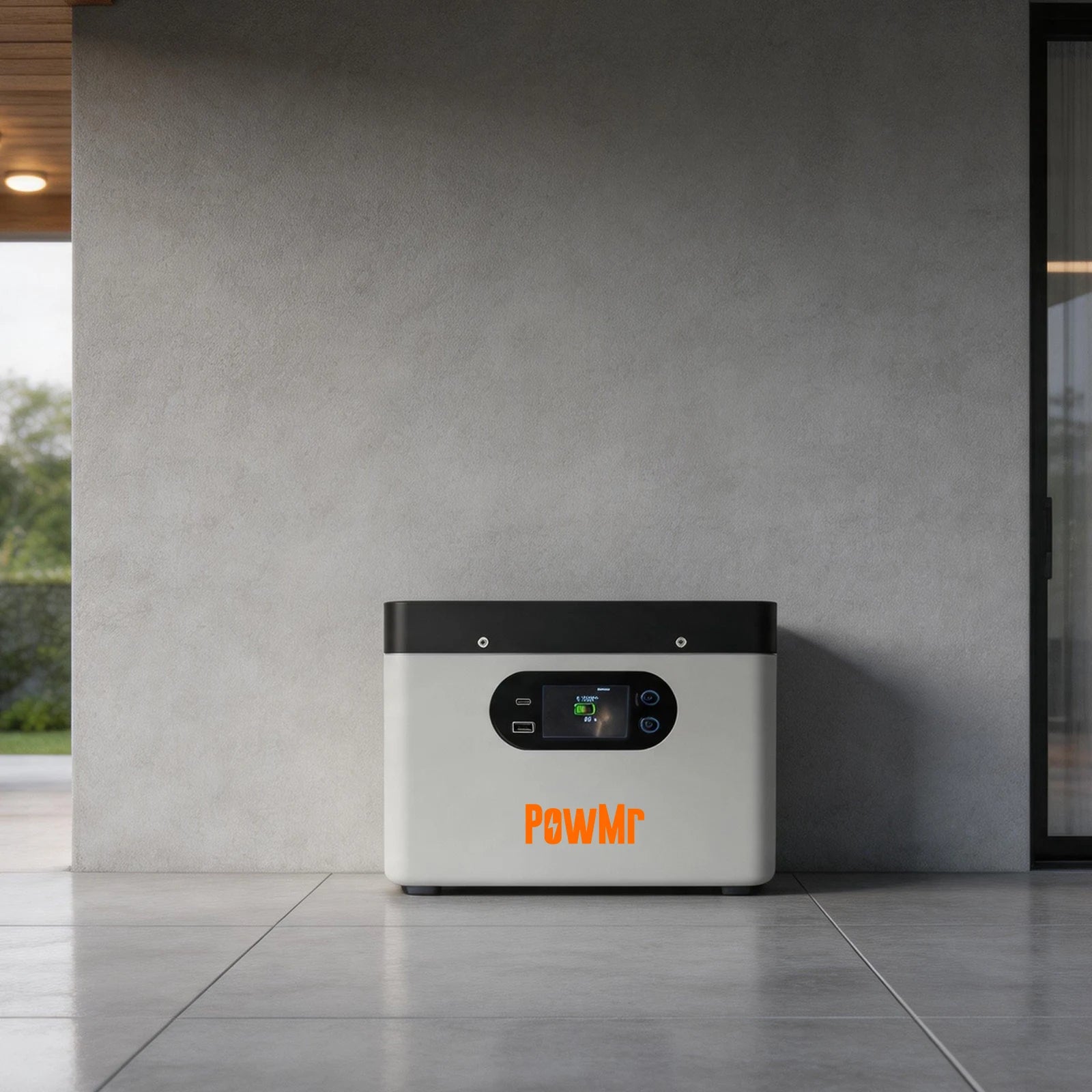
Portable Backup Power for Everyday Essentials
Home Backup
Power essential devices during outages.
Cabins and Off-Grid Rooms
Support basic equipment with solar charging.
Mobile Workstations
Power laptops, monitors and work devices.
Camping and Sheltered Outdoor Locations
Provide portable power in dry, protected areas.
FAQ
What is an all-in-one energy storage system?
An all-in-one energy storage system integrates an inverter, lithium battery, battery management system and energy-control functions into one coordinated solution. It is designed to simplify component selection, wiring and daily system management.
What is the difference between a 110V and a 220V energy storage system?
The main difference is the AC output voltage and wiring standard. A 110V/120V system is generally intended for North American electrical systems, while a 220V/230V system is commonly used in countries with 220–240V household power. Some 110V models also provide 120/240V split-phase output.
Can an all-in-one ESS work without grid power?
Yes. A compatible system can operate using solar panels and battery storage without utility input. The available output power and operating time depend on solar conditions, inverter capacity, battery state of charge and connected loads.
Can the system work without solar panels?
Yes. When utility or generator input is available, compatible systems can power loads and charge the battery without solar panels. Solar panels can be added to reduce grid consumption and provide off-grid charging capability.
Does the system include both the inverter and battery?
Products in this collection are designed as inverter-and-battery energy storage combinations. Always check the individual product page to confirm the included inverter, battery capacity, cables and accessories.
Can an all-in-one ESS power an entire home?
It depends on the inverter output, battery capacity and total household load. Smaller systems are generally used for essential appliances, while higher-power systems may support more circuits. High-starting-current equipment must be checked separately.