

110V Low Frequency Solar Inverter for Off-Grid Power Systems
- High peak power capacity for heavy-load applications
- Strong resistance to voltage fluctuations and spikes
- Suitable for off-grid, backup, and industrial use
What Is a Low Frequency Inverter?
- A low frequency inverter uses a large toroidal transformer to deliver higher surge power and better load stability than high frequency inverters.
- It is ideal for starting inductive loads such as water pumps, air conditioners, refrigerators, compressors, and motors.
3X Surge Power Capacity
Handles high startup currents from pumps, compressors, air conditioners, and other inductive loads without shutdown or overload issues.
Better Motor Startup Performance
Provides strong and stable startup power for motors, reducing startup failure and voltage drop during operation.
Stable Output Under Heavy Loads
Maintains consistent voltage and reliable performance even when powering demanding appliances or multiple heavy loads simultaneously.
Longer Lifespan for Industrial Applications
Built with durable transformer-based architecture designed for continuous operation in harsh and high-load environments.
Reliable Off-Grid Backup Power
Delivers dependable backup energy for homes, cabins, RVs, farms, and remote solar systems during grid outages or unstable power conditions.


Best Applications for Low Frequency Inverters
Explore the most common applications for low frequency inverters, including water pumps, home backup systems, off-grid cabins, RVs, and industrial machinery.

Water Pump Systems
Provides strong startup power for deep well pumps, irrigation systems, and agricultural water supply applications.

Home Backup Systems
Delivers reliable backup power during outages for refrigerators, air conditioners, lighting, and essential home appliances.

RV & Off-Grid Cabins
Ideal for off-grid living, RV travel, remote cabins, and mobile solar systems requiring stable AC output.

Industrial Equipment
Handles heavy-duty machinery, motors, compressors, and industrial equipment with high surge current demands.
Filters
3 products
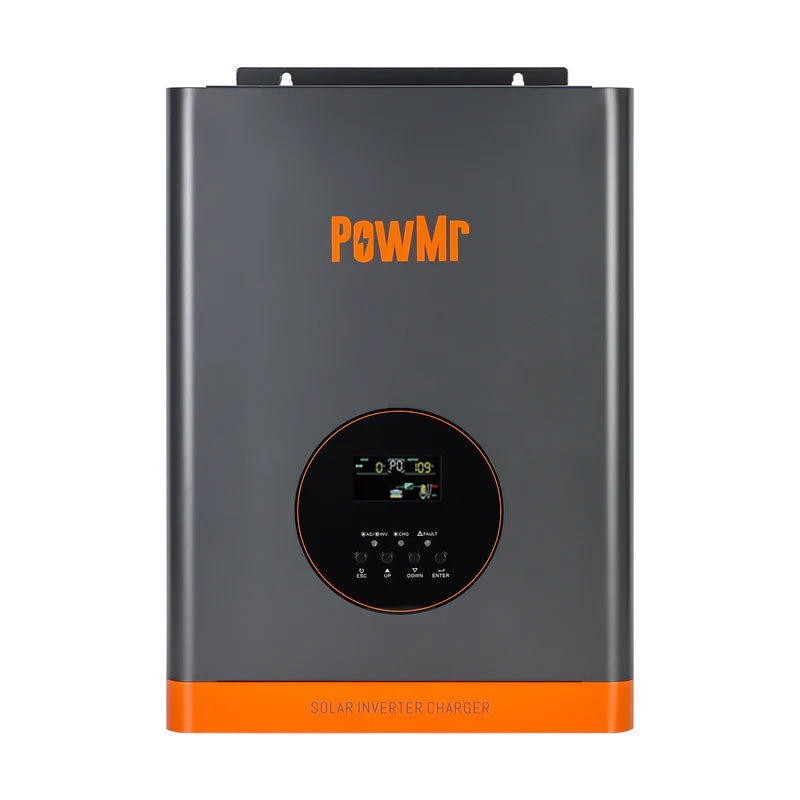
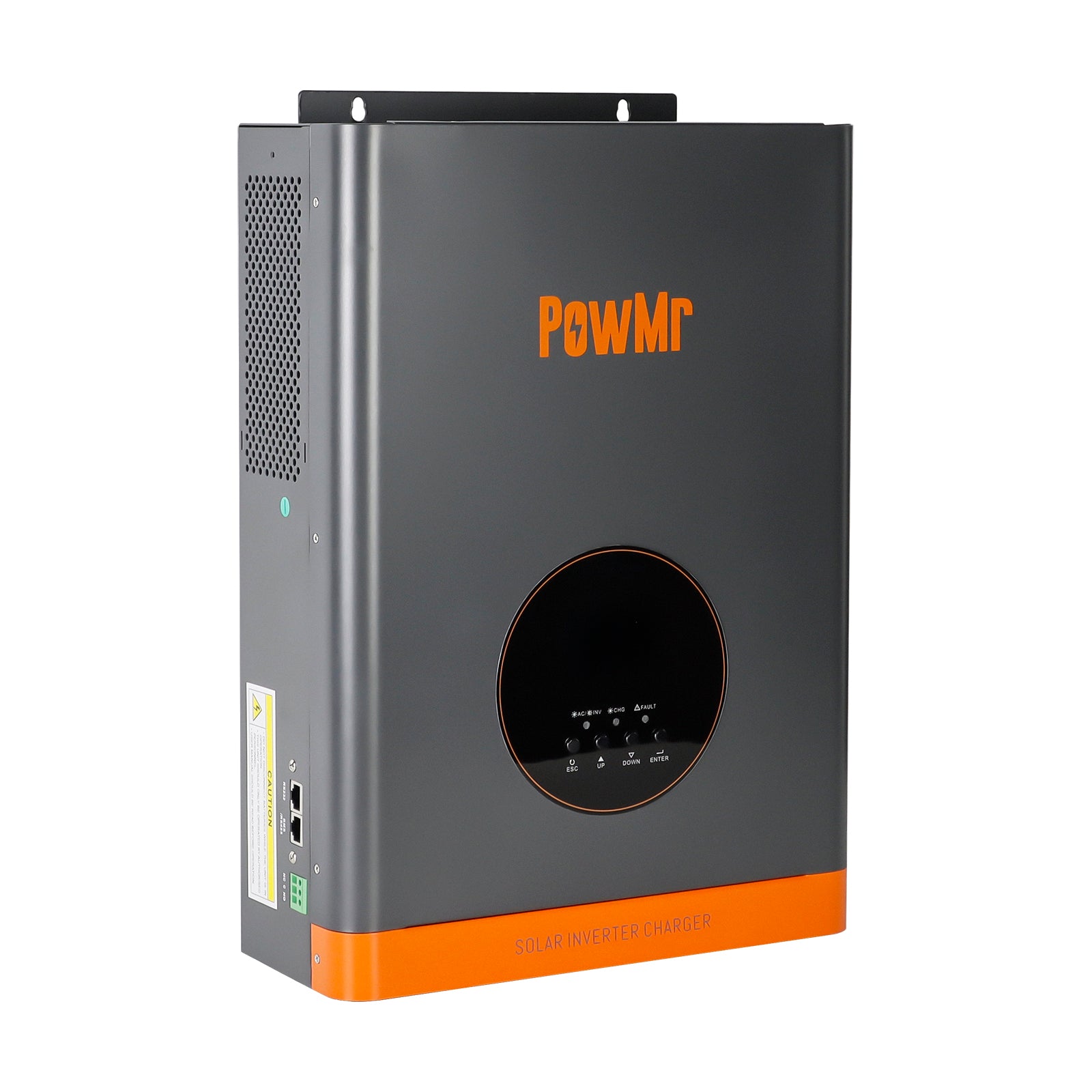
1200W 110V 12V Low Frequency Inverter Charger
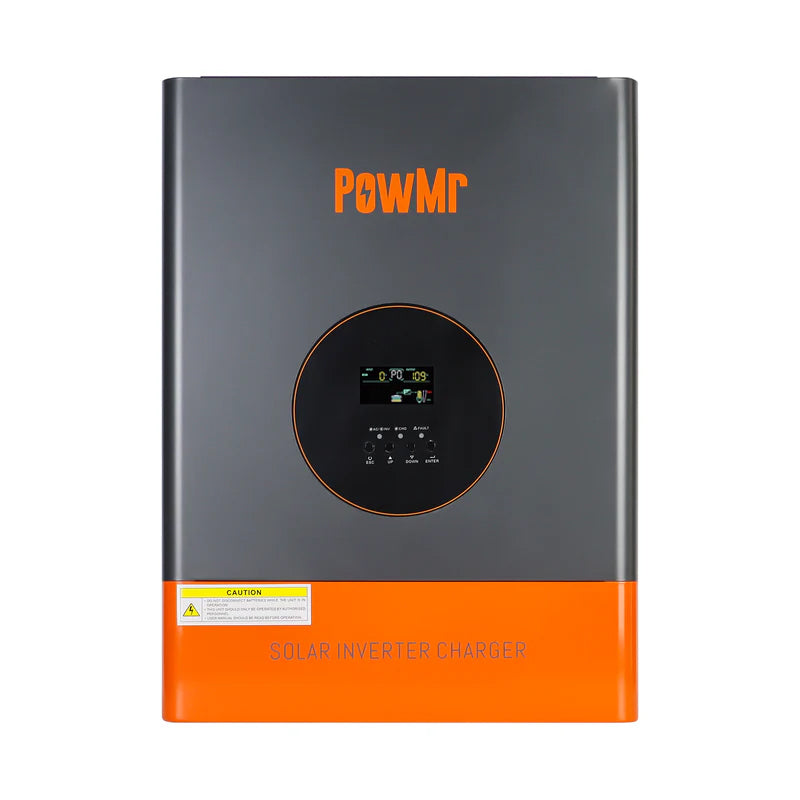
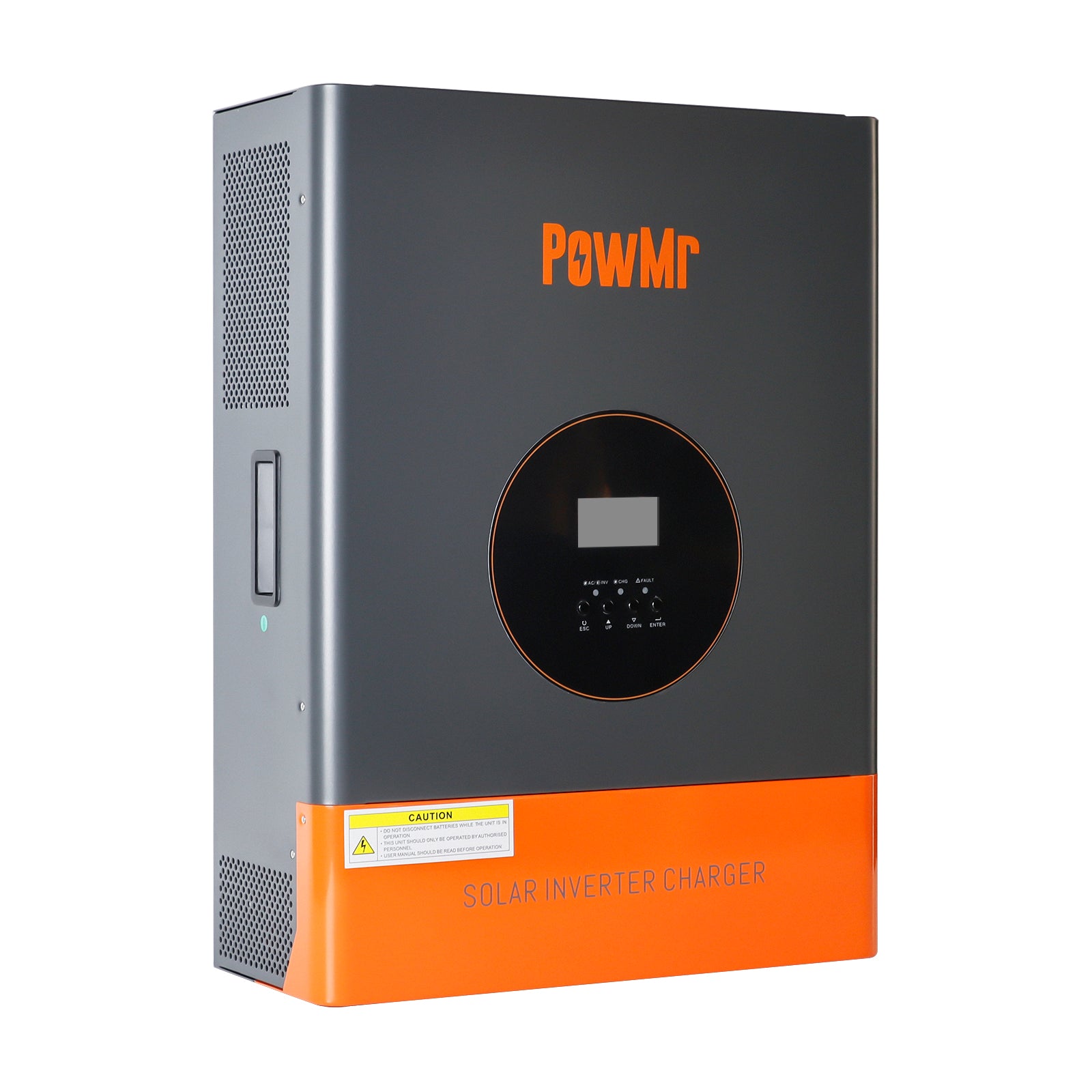
5KW 48V 110/240Vac Split Phase Low Frequency Inverter
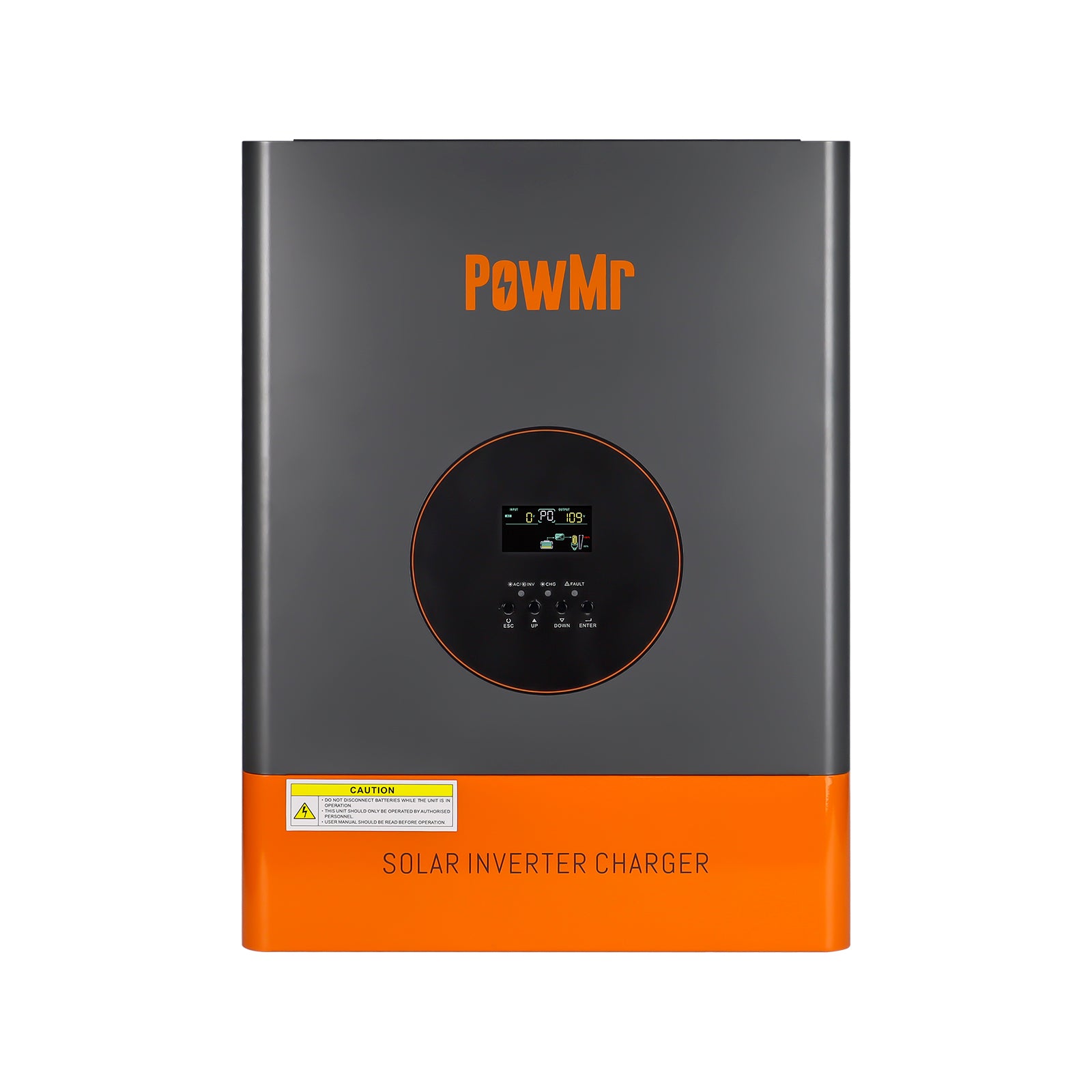
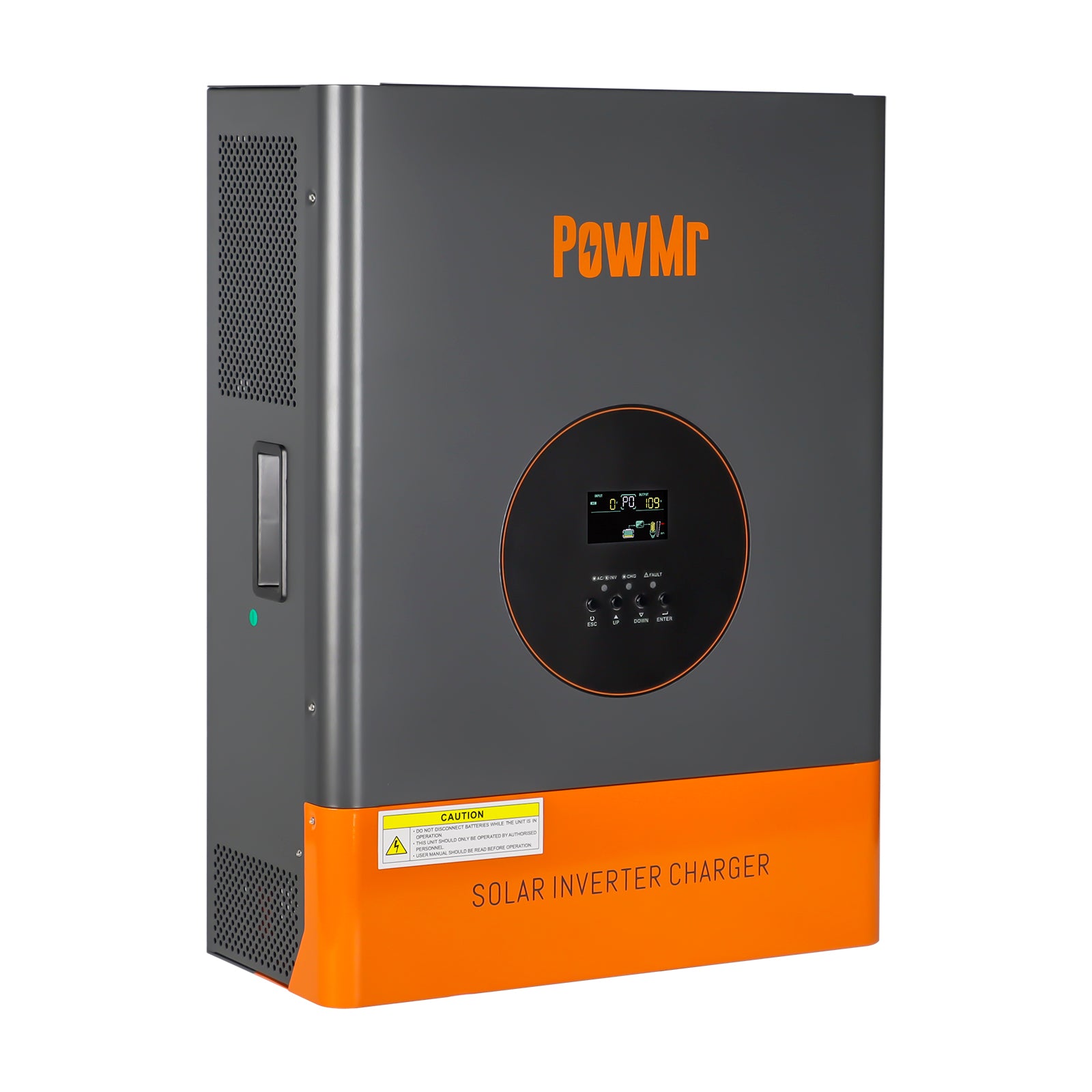
10KW 48V 110/240Vac Split Phase Low Frequency Inverter
Find the Right Inverter for Your Power Needs
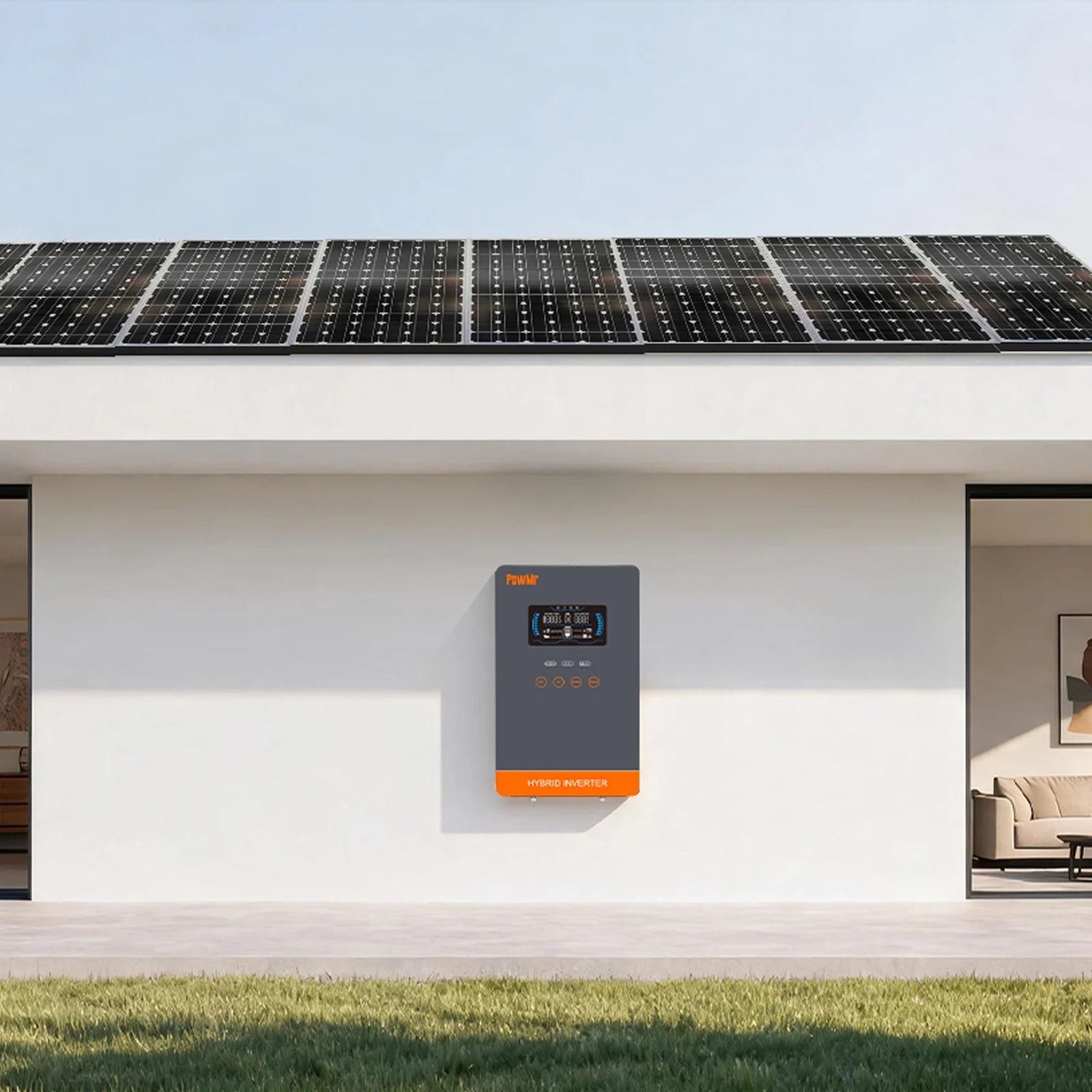
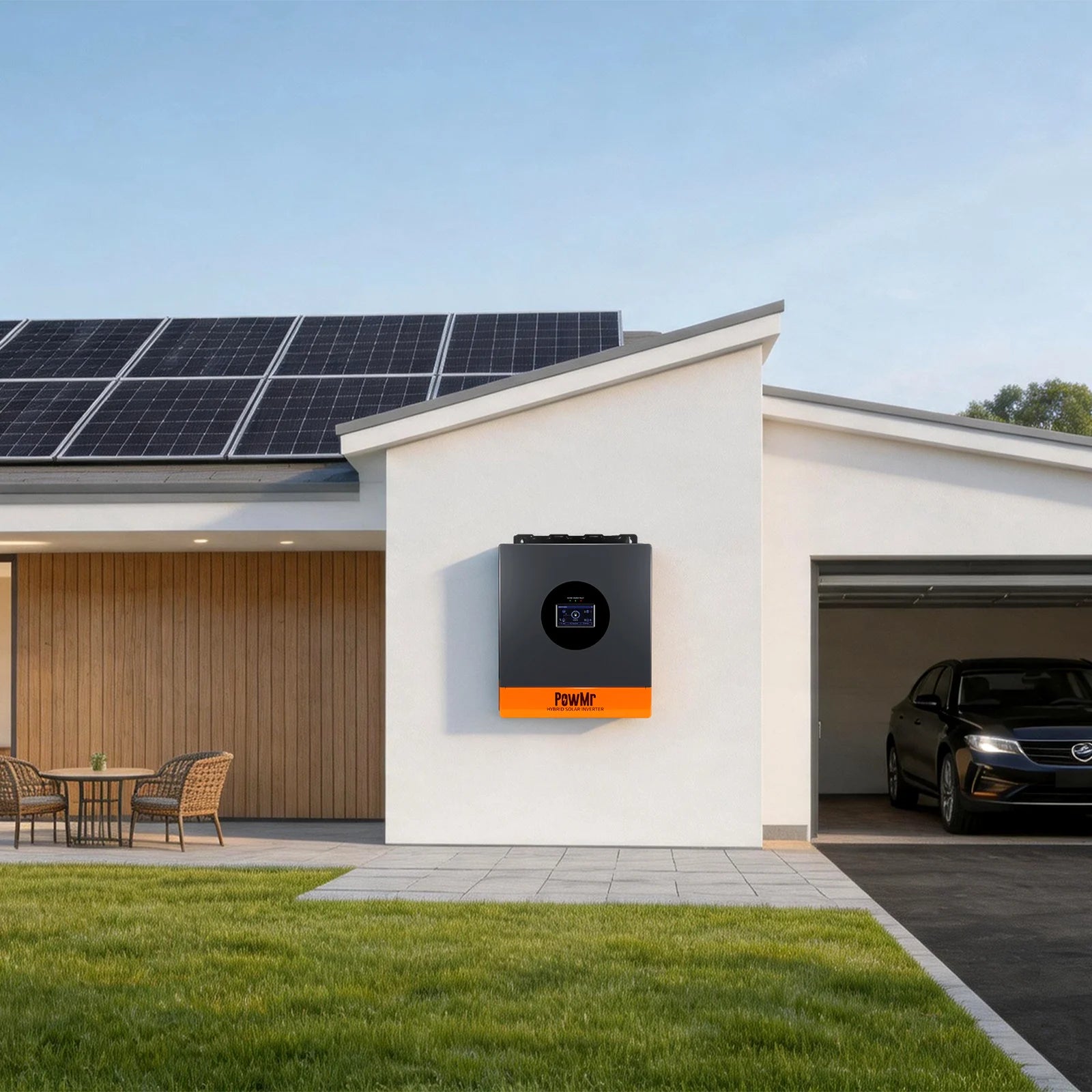
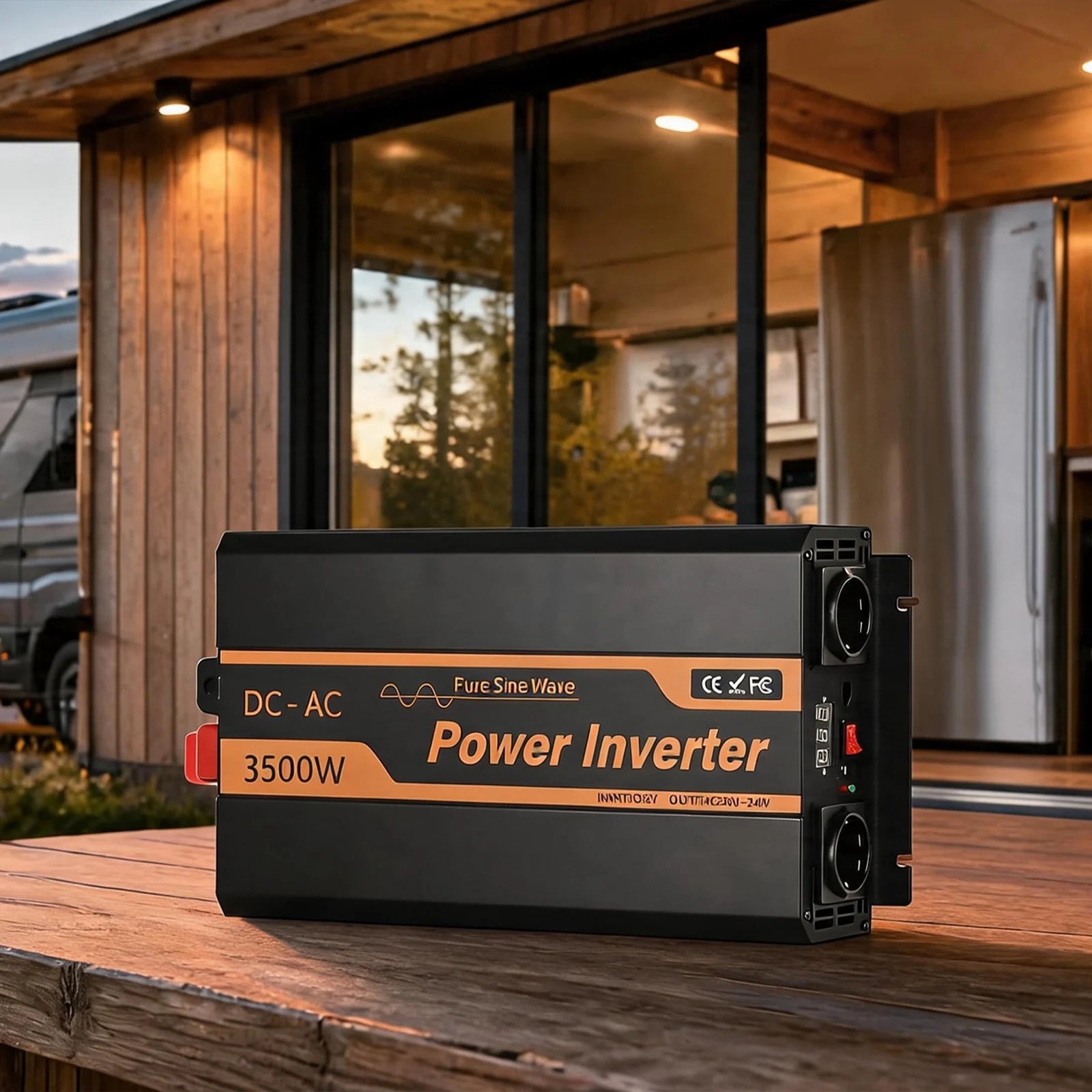
Explore all-in-one, split-phase, low-frequency, and DC-AC power inverters designed for reliable home backup and off-grid energy systems.
110V Low Frequency Power Inverter FAQs
What is the difference between low frequency and high frequency inverter?
Low frequency inverters use large toroidal transformers to deliver higher surge power and better stability for heavy loads such as motors, pumps, and air conditioners. High frequency inverters are lighter and more compact, making them suitable for standard household appliances and portable power systems.
Can a low frequency inverter run an air conditioner?
Yes. Low frequency inverters are ideal for running air conditioners because they can handle the high startup surge current generated by compressor-based systems more effectively than high frequency inverters.
Is a low frequency inverter better for water pumps?
Yes. Water pumps require high starting current, especially deep well pumps and agricultural pumps. Low frequency inverters provide stronger surge capacity and more stable motor startup performance for these applications.
Why are low frequency inverters heavier?
Low frequency inverters contain large copper transformers that improve stability, surge capacity, and durability. These transformers increase the overall weight compared to high frequency inverter designs.
Can low frequency inverters handle motor startup current?
Yes. Most low frequency inverters support surge power up to 3 times the rated output, allowing them to start motors, compressors, refrigerators, and pumps without overload shutdown.
What size low frequency inverter do I need?
The inverter size depends on the total running power and startup surge power of your appliances. For motor loads, it is recommended to choose an inverter with at least 2–3 times the startup power capacity of the connected equipment.
Are low frequency inverters good for off-grid systems?
Yes. Low frequency inverters are widely used in off-grid solar systems because they provide reliable backup power, strong overload capability, and stable performance for continuous operation in remote areas.
Can a low frequency inverter work without solar panels?
Yes. A low frequency inverter can operate using batteries or utility power without solar panels. Solar panels are only required if you want to charge the batteries using solar energy.