
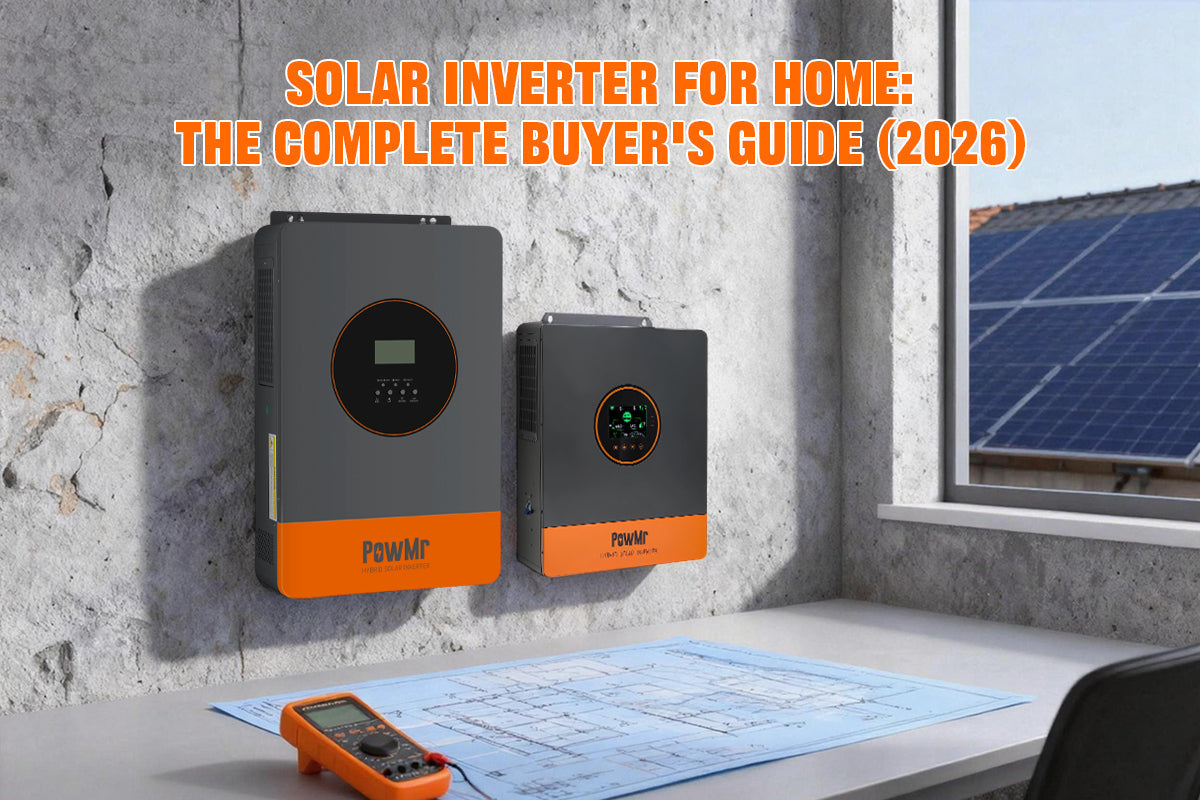
Якщо ви плануєте встановлення сонячної системи для дому, вибір правильного сонячного інвертора є одним із найважливіших рішень, які вам доведеться прийняти.
Інвертор — це мозок вашої системи; він перетворює постійний струм (DC), вироблений вашими сонячними панелями, у змінний струм (AC), який живить ваші прилади.
Неправильний вибір може коштувати вам тисячі через втрату виробництва енергії, передчасну заміну або несумісне обладнання.
Цей посібник проведе вас через усі ключові фактори — від вибору інвертора до сумісності всієї системи.
Що таке сонячний інвертор і чому це важливо?
Сонячний інвертор — це критично важливий компонент будь-якої сонячної енергетичної системи. Його основне завдання — перетворювати постійний струм (DC), вироблений сонячними панелями, у змінний струм (AC), який використовують ваші домашні прилади.
Без інвертора електроенергія, вироблена вашими панелями, не була б придатною для використання в типовому домогосподарстві.
Але сучасні сонячні інвертори роблять більше, ніж просто перетворюють енергію. Вони оптимізують виробництво енергії за допомогою функцій, таких як відстеження максимальної точки потужності (MPPT), контролюють продуктивність системи, взаємодіють із мережею електропостачання і в деяких випадках керують акумуляторним сховищем.
Оскільки інвертор контролює ефективність роботи системи, правильний вибір безпосередньо впливає на ваші енергозбереження, термін служби системи та загальну віддачу інвестицій.
Неправильно підібраний інвертор може значно знизити вихідну потужність і призвести до більших довгострокових витрат, тоді як добре підібраний інвертор допомагає максимально ефективно використовувати вашу сонячну установку.
Типи сонячних інверторів для домашнього використання
Вибір правильного інвертора є ключовим для проєктування ефективної та надійної домашньої сонячної системи.
Різні типи інверторів розроблені для різних архітектур систем, таких як мережеві системи, автономні системи або гібридні системи зберігання енергії.
Розуміння цих відмінностей допомагає забезпечити правильну сумісність, оптимальну продуктивність і довгострокову економічність.
Інвертор живлення
Основна функція — перетворення постійного струму (DC) у змінний струм (AC).
Він не має вбудованих функцій зарядки або управління акумулятором, тому повинен використовуватися разом із контролером сонячного заряду та акумуляторною системою.
Зазвичай використовується в базових автономних системах живлення з простими та обмеженими вимогами до навантаження.
Універсальний інвертор
Інтегрує кілька функцій в одному пристрої, включаючи інвертор, зарядний пристрій змінного струму (підтримує зарядку від мережі або генератора), MPPT контролер сонячного заряду та управління акумулятором.
Пропонує високу інтеграцію системи, спрощене підключення та легкий монтаж, що робить його ідеальним для домашніх користувачів, які хочуть компактне та швидке у встановленні рішення для зберігання енергії.
Гібридний інвертор
За функціональністю схожий на універсальний інвертор, але більше орієнтований на взаємодію з мережею та координацію зберігання енергії.
Може працювати одночасно з сонячними панелями, мережею та акумуляторами, інтелектуально перемикаючись між різними джерелами енергії.
Підтримує режими власного споживання, експорту в мережу та резервного живлення, що робить його придатним для власників будинків, які прагнуть підвищити енергоефективність, знизити рахунки за електроенергію або забезпечити резервне живлення.
Мікроінвертор
Встановлюється на кожній окремій сонячній панелі, забезпечуючи конвертацію постійного струму в змінний на рівні модулів та оптимізацію.
Кожна панель працює незалежно, що особливо корисно для дахів із проблемами затінення або з кількома орієнтаціями.
Він також забезпечує більш детальний моніторинг системи та може покращити загальну енергоефективність і надійність системи.
Ключові фактори при виборі сонячного інвертора для домашнього використання
Оскільки більшість власників будинків сьогодні обирають універсальні або гібридні інвертори, варто детальніше розглянути конкретні функції, які відрізняють потужний пристрій від обмеженого.
Це характеристики, які рідко згадуються в маркетингових брошурах, але мають реальний вплив на щоденну роботу та довгострокову гнучкість домашніх сонячних систем.
1. Напруга виходу змінного струму
Це перше питання, на яке потрібно відповісти ще до початку порівняння брендів.
Завжди підтверджуйте тип підключення до мережі у вашого постачальника електроенергії перед вибором інвертора, який має відповідати електричній інфраструктурі вашого дому.
Неправильна конфігурація виходу може спричинити несумісність з приладами або вимагати дорогого переналаштування проводки.
Вихід однофазний
Більшість житлових будинків використовують однофазні системи, які підходять для стандартних побутових електричних навантажень, таких як освітлення, телевізори та невеликі прилади.
У більшості регіонів (включно з Китаєм та багатьма частинами Європи й Азії) стандартна однофазна напруга становить 220–240 В змінного струму (лінія до нейтралі).
Ця система проста, широко поширена і достатня для типового домашнього споживання енергії. Вихід з розділеною фазою
Системи з розділеною фазою широко використовуються в Північній Америці і забезпечують дві лінії по 120 В, які зміщені на 180°, що дозволяє одночасно подавати як 120 В, так і 240 В змінного струму.
Постачання 120 В використовується для стандартних побутових розеток, тоді як вихід 240 В зазвичай застосовується для потужних приладів, таких як духовки, сушарки та кондиціонери.
Інвертор з розділеною фазою пропонує гнучкість для сумісності різних приладів у межах одного домогосподарства.
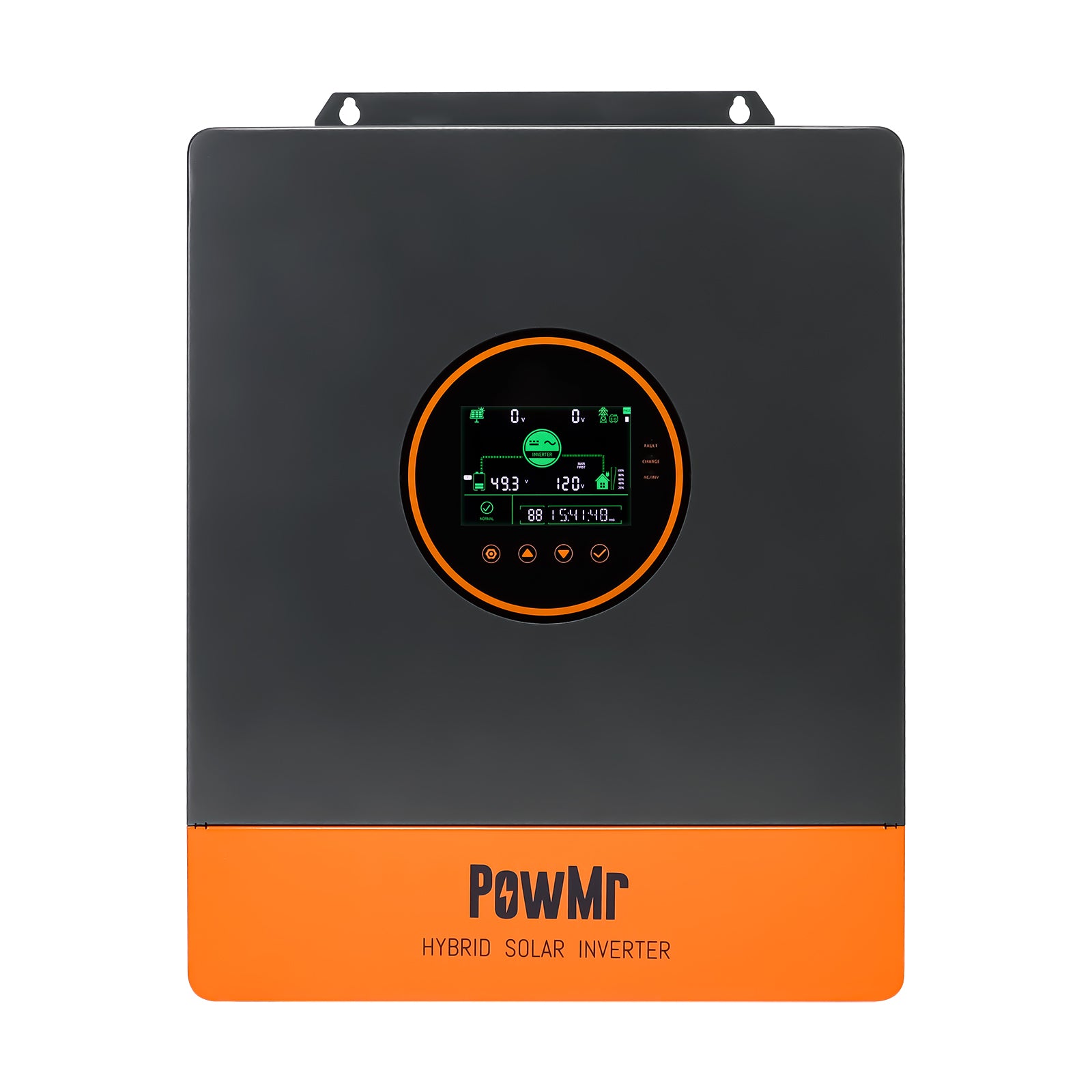

Діапазон вихідної напруги інвертора з розділеною фазою
Трифазний вихід
Трифазні системи зазвичай використовуються у більших житлових будинках, віллах або легких комерційних застосуваннях.
Стандартна напруга зазвичай становить 380–415В змінного струму (лінія-до-лінії) та 220–240В змінного струму (лінія-до-нуль) залежно від регіональних стандартів мережі.
Трифазний інвертор забезпечує більш стабільну подачу електроенергії, кращий баланс навантаження та вищу ефективність для великих електричних навантажень, таких як великі системи ОВК, зарядка електромобілів або майстерня.
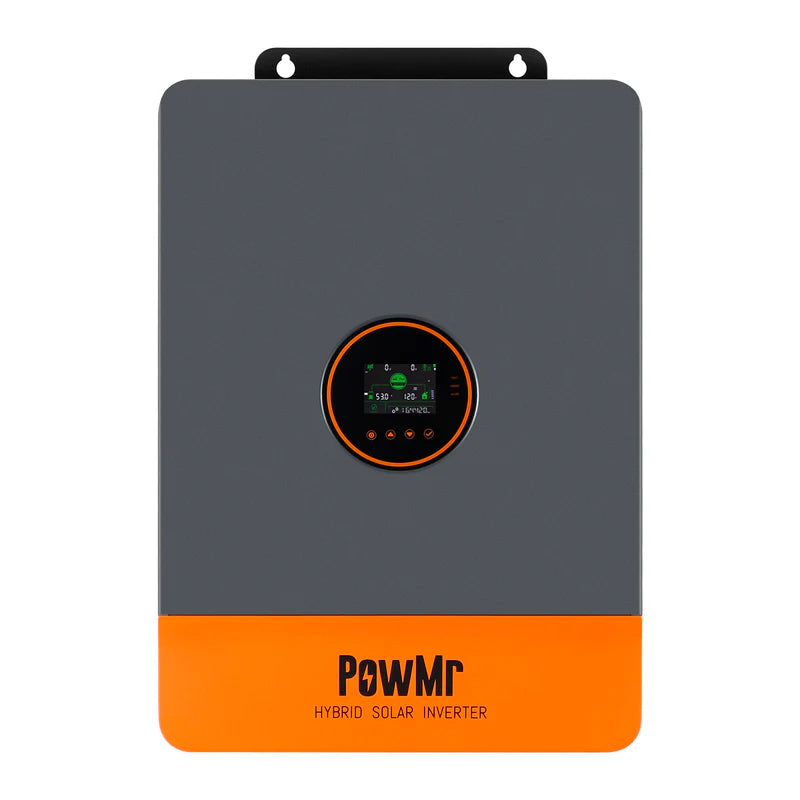

Діапазон вихідної напруги трифазного інвертора
2. Потужність інвертора
Потужність інвертора визначає, чи може ваша система надійно підтримувати щоденні навантаження та короткочасні пікові потреби.
Його потрібно ретельно підбирати відповідно до споживчих моделей домогосподарства, щоб уникнути перевантаження або марних інвестицій.
- Рейтинг безперервної потужності: Визначає максимальне стабільне навантаження, яке інвертор може підтримувати під час нормальної роботи. Він має перевищувати типовий побутовий попит.
- Обробка пускової потужності: Потужні прилади з високим пусковим струмом, такі як кондиціонери або насоси, потребують короткочасних сплесків більшої потужності. Рейтинг пускової потужності гарантує плавний запуск цих навантажень без вимкнення системи.
- Можливість паралельного розширення: Деякі інвертори підтримують паралельне підключення, що означає, що ви можете підключити два або більше однакових пристроїв, щоб подвоїти (або потроїти) загальну вихідну потужність системи без заміни існуючого обладнання, забезпечуючи масштабованість і резервування для майбутнього розширення.
3. Розмір вхідної потужності PV та стратегія перевищення розміру
Загальне правило проектування — розмір інвертора має становити 75–100% від загальної потужності сонячної панелі.
Наприклад, 6 кВт PV-масив зазвичай поєднується з інвертором потужністю 5–6 кВт.
Невелике перевищення розміру панелей (відоме як DC oversizing) часто використовується для покращення виходу енергії в умовах низької освітленості, тоді як незначне «обрізання» на піковій потужності зазвичай прийнятне і економічно ефективне.
Однак надмірне невідповідність може знизити довгострокову продуктивність. Правильне проектування забезпечує максимальний збір енергії у всі пори року.
4. Канали MPPT та діапазон вхідної напруги
Дизайн MPPT впливає на ефективність збору сонячної енергії за різних орієнтацій даху та погодних умов.
-
Кількість MPPT-каналів: Кілька MPPT-входів дозволяють кожному масиву працювати незалежно. Якщо у вас є панелі на даху, орієнтованому на південь, і додаткові панелі на східній частині, ці MPPT-трекери будуть виробляти максимальну потужність у різний час доби.
Гібридний інвертор з двома або більше незалежними MPPT-входами дозволяє кожному масиву працювати в оптимальній точці, максимізуючи загальний збір енергії з обох масивів. - Сумісність діапазону напруги: Діапазон вхідної напруги інвертора має відповідати напрузі сонячного масиву для забезпечення стабільної роботи, безпеки та надійного перетворення енергії.
- Робота в холодну та спекотну погоду: Екстремальні температури впливають на напругу панелей; правильне проектування забезпечує роботу системи в межах експлуатаційних норм протягом року.
5. Режими управління енергією (пріоритетне керування та сегментація навантаження)
Управління енергією визначає, як розподіляється сонячна, батарейна та мережна енергія між різними навантаженнями в домі.
- Налаштування пріоритету джерела живлення: Користувачі можуть налаштувати роботу з пріоритетом сонячної енергії, батареї або мережі залежно від енергетичних цілей.
- Розділені канали вихідного змінного струму: Контроль сегментації навантаження дозволяє відокремити критичні навантаження (наприклад, холодильники та освітлення) від неважливих, забезпечуючи пріоритетне управління резервним живленням під час відключень мережі або обмежених енергоресурсів.
- Планування за часом використання (TOU): Програмуйте інвертор так, щоб розряджати батарею лише в години пікового тарифу на електроенергію, максимізуючи ваші заощадження за тарифними планами з урахуванням часу використання.
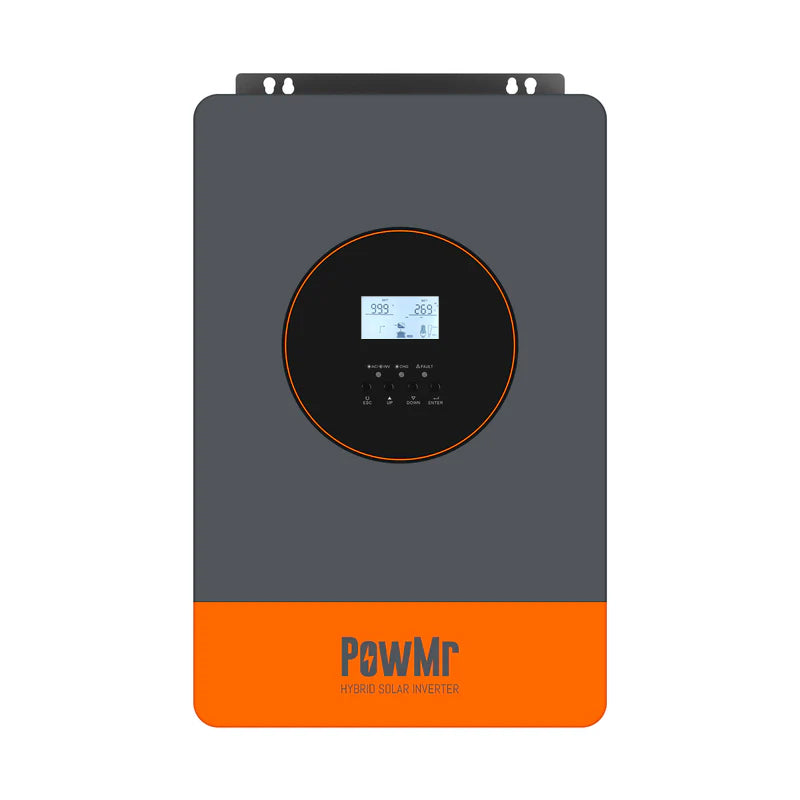
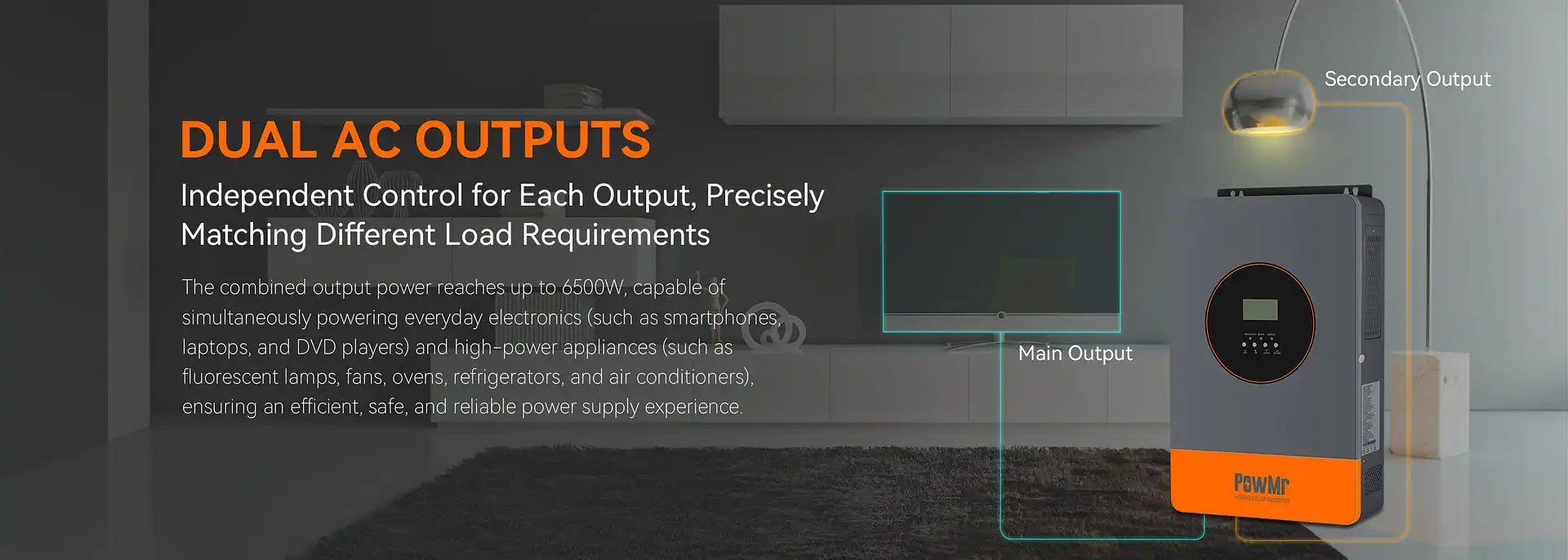
Розділені канали вихідного змінного струму для пріоритету резервного живлення
6. Сумісність батареї
Для гібридних систем правильна інтеграція батареї є необхідною для безпеки, ефективності та довготривалої продуктивності зберігання.
- Сумісність хімії батареї: Інвертор має підтримувати літій-іонні, LiFePO₄ або свинцево-кислотні батареї з відповідними профілями заряджання.
- Відповідність струму заряджання: Струм заряджання повинен відповідати ємності батареї, щоб уникнути перегріву або скорочення терміну служби батареї.
- Відповідність напруги системи: Напруга батарейного блоку має відповідати специфікаціям інвертора, щоб забезпечити нормальні умови заряджання та правильне управління станом заряду (наприклад, ніколи не розряджати нижче 20%) для захисту довговічності батареї.
Сигнали тривоги, на які слід звернути увагу при купівлі сонячного інвертора для домашнього використання
Багато помилок при покупці інвертора виникають через ігнорування системних вимог, а не лише через фокусування на ціні чи ефективності.
Наступні сигнали тривоги підкреслюють поширені проблеми дизайну та сумісності, які можуть суттєво вплинути на продуктивність, безпеку та довгострокову експлуатацію.
1. Неправильна конфігурація змінної фази
Однією з найпоширеніших помилок є невідповідність типу змінного струму інвертора електричній системі будинку.
Для житлових систем можуть знадобитися однофазні, двофазні (наприклад, 120/240 В у Північній Америці) або трифазні конфігурації (наприклад, 208 В у комерційному стандарті США або 380–415 В у Європі та Азії).
Вибір неправильного типу фази може призвести до несумісності з побутовими приладами, неефективного розподілу електроенергії або дорогих електромонтажних робіт.
2. Ігнорування типу навантаження та вимог до пускової потужності
Багато користувачів зосереджуються лише на номінальній потужності і не враховують характеристики побутових навантажень.
Індуктивні або моторні прилади, такі як кондиціонери, насоси та холодильники, потребують високої пускової потужності, яка може бути в кілька разів більшою за їх номінальне споживання.
Інвертор без достатньої потужності пікового навантаження може несподівано вимкнутися або не зможе надійно запускати ці навантаження.
3. Поганий дизайн та контроль сонячної системи
Вибір інвертора без належного проєктування сонячної електростанції є серйозною помилкою планування.
Фактори, такі як загальна потужність сонячної електростанції, кількість стрінгів, конфігурація панелей і напруга стрінга, повинні відповідати вхідному діапазону інвертора.
Ігнорування стану даху, затінення та орієнтації може призвести до значних втрат енергії та неоптимальної роботи системи протягом року.
4. Відсутність врахування майбутнього розширення системи
Деякі інвертори розроблені виключно для систем із фіксованою потужністю і не підтримують паралельну роботу або модульне розширення.
Недооцінка майбутнього енергоспоживання (наприклад, зарядка електромобіля, розширення батареї або збільшення кількості домогосподарств) може призвести до передчасної заміни системи та вищих довгострокових витрат.
5. Непридатне середовище встановлення
Середовище встановлення безпосередньо впливає на надійність і термін служби інвертора.
Інвертори, встановлені на вулиці або в суворих умовах, повинні відповідати відповідним класам захисту (наприклад, IP65 або вище для захисту від пилу та води).
Ігнорування екологічних вимог, таких як температура, вологість і вентиляція, може призвести до перегріву, корозії або відмови системи.
6. Відсутність або слабка відповідність сертифікаціям
Відповідність нормативним вимогам є необхідною для безпеки та затвердження підключення до мережі.
Інвертори повинні відповідати відповідним стандартам, таким як CE (Європа), міжнародним стандартам IEC або сертифікації UL (Північна Америка), залежно від регіону.
Продукти без належної сертифікації можуть стикнутися з обмеженнями встановлення, проблемами зі страховкою або ризиками безпеки.


