
Równoległe falowniki do rozbudowywalnych systemów fotowoltaicznych
- Podłącz wiele falowników, aby zwiększyć moc systemu i elastyczność.
- Idealne do skalowalnych instalacji magazynowania energii w domach i firmach.
Co to jest inwerter równoległy?
Równoległy falownik pozwala na współpracę wielu falowników jako jednego systemu, zwiększając całkowitą moc wyjściową przy jednoczesnym utrzymaniu stabilnego napięcia i zsynchronizowanej pracy.
Łatwe zwiększanie pojemności zasilania
Inwertery równoległe pozwalają na współpracę wielu jednostek inwertera, zwiększając całkowitą moc wyjściową systemu.
Zamiast wymieniać cały inwerter, gdy rośnie zapotrzebowanie na energię, użytkownicy mogą po prostu dodać kolejne jednostki.
Przykład:
2 × inwertery 5kW = system 10kW
3 × inwertery 10kW = system 30kW
Lepsza niezawodność i nadmiarowość systemu
Jeśli jeden falownik ulegnie awarii, pozostałe jednostki mogą nadal działać i dostarczać energię do krytycznych odbiorników.
W porównaniu z pojedynczym dużym falownikiem:
Zmniejszone ryzyko całkowitego zatrzymania systemu
Poprawiona stabilność systemu
Łatwiejsza konserwacja bez całkowitego przestoju
Jest to szczególnie ważne dla:
Szpitali
Systemów telekomunikacyjnych
Gospodarstw rolnych
Zdalnych systemów off-grid
Firm wymagających ciągłego zasilania
Wsparcie dla wysokich przeciążeń impulsowych
Równoległe systemy inwerterowe zapewniają większą moc rozruchową, dzięki czemu nadają się do ciężkich obciążeń indukcyjnych, takich jak:
Klimatyzatory
Pompy wodne
Lodówki
Sprężarki
Silniki
Elastyczny projekt systemu
Zgodny zarówno z amerykańskimi, jak i europejskimi standardami zasilania:
- USA: Jednofazowe i dwufazowe systemy 120/240V lub 120/208V oraz trójfazowe systemy 208V
- UE: Jednofazowe i trójfazowe systemy
Zaprojketowany do zastosowań mieszkaniowych, komercyjnych i przemysłowych.
Wybierz odpowiedni równoległy system inwerterowy do swojego domu
Standardowa siatka UE
230V Jednofazowe
380V / 400V / 415V Trójfazowe
Europa, Afryka, Bliski Wschód, Azja Południowo-Wschodnia
POW-HVM6.5KP
POW-HVM12KP
Północnoamerykańska sieć mieszkaniowa
120V jednofazowe i 120/240V lub 120/208V dwufazowe
208V trójfazowe (gwiazda)
USA, Kanada
POW-SunSmart SP5.2K
POW-SunSmart 16KP
POW-SunSmart 10KP-PRO
POW-SunSmart 12KP-PRO
Typowe konfiguracje równoległego systemu inwerterowego
Jednofazowy równoległy
Połącz wiele jednofazowych falowników równolegle, aby zwiększyć całkowitą moc wyjściową i pojemność baterii do zastosowań domowych i poza siecią.
Rozszerzalna pojemność równoległa
Elastyczne skalowanie systemu
Stabilne wyjście prądu zmiennego
Łatwa instalacja i konserwacja
Systemy zasilania awaryjnego do domu; Off-grid systemy solarne; Systemy zasilania dla małych firm; Magazynowanie energii dla kamperów i domków letniskowych
Równoległa faza rozdzielona
Systemy równoległe z fazą dzieloną dostarczają zasilanie 120/240V dla domów w Ameryce Północnej oraz lekkich obciążeń komercyjnych, zapewniając lepsze wyrównanie obciążenia i wyższą ochronę przed przepięciami.
Wyjście fazy dzielonej 120/240V
Lepsze wsparcie dla ciężkich urządzeń
Możliwość rozbudowy w konfiguracji równoległej
Stabilne zasilanie przy dużych skokach mocy
Klimatyzatory i pompy wodne; Systemy zasilania awaryjnego dla całego domu; Zasilanie garażu i warsztatu
Zaawansowany trójfazowy system równoległy
Trójfazowe systemy równoległe dostarczają skalowalną i stabilną trójfazową moc prądu przemiennego dla zastosowań komercyjnych, przemysłowych oraz dużych magazynów energii.
Trójfazowe wyjście prądu przemiennego
Elastyczna konfiguracja faz
Odpowiednie dla silników i obciążeń przemysłowych
Rozszerzalne systemy energetyczne dla zastosowań komercyjnych
Budynki komercyjne, fabryki i warsztaty; systemy nawadniające; duże systemy solarne poza siecią
Konfiguracje okablowania inwertera równoległego
Zapoznaj się z przykładowymi schematami okablowania dla inwerterów jednofazowych, dwufazowych i trójfazowych równoległych opartych na POW-SunSmart SP5.2K.
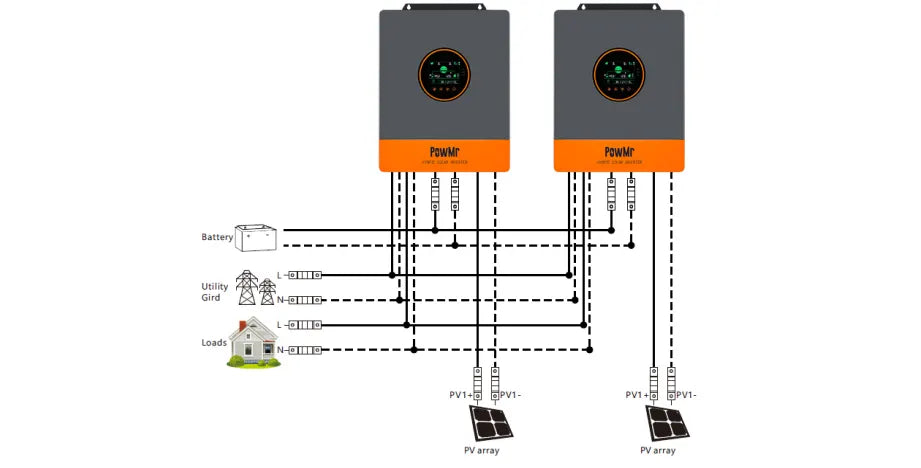
System równoległy jednofazowy POW-SunSmart SP5.2K
Połącz dwa lub więcej falowników POW-SunSmart SP5.2K równolegle, aby zwiększyć moc wyjściową i pojemność baterii w domowych systemach magazynowania energii słonecznej oraz systemach awaryjnych poza siecią.
10,4 kW
Do 6 jednostek
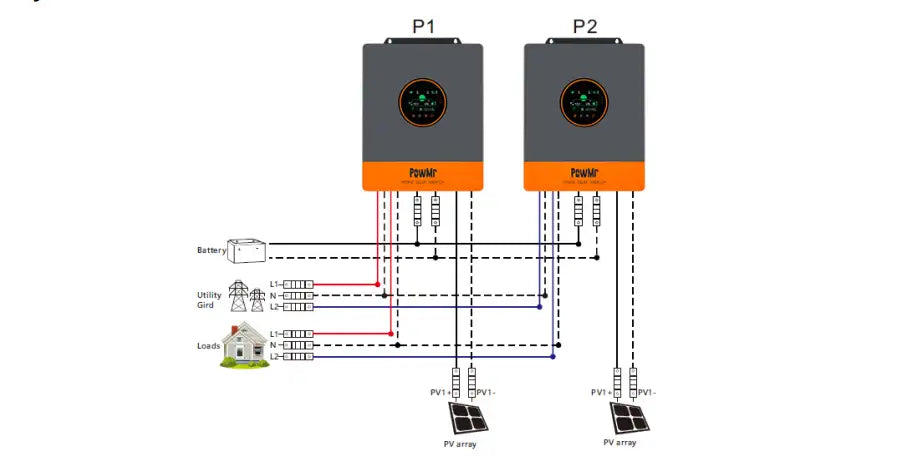
System równoległy fazy rozdzielonej POW-SunSmart SP5.2K
Dwa falowniki POW-SunSmart SP5.2K mogą być skonfigurowane do wyjścia 120/240V w układzie split phase, przeznaczonego dla domów w Ameryce Północnej oraz dużych obciążeń urządzeń.
10,4 kW
Do 6 jednostek
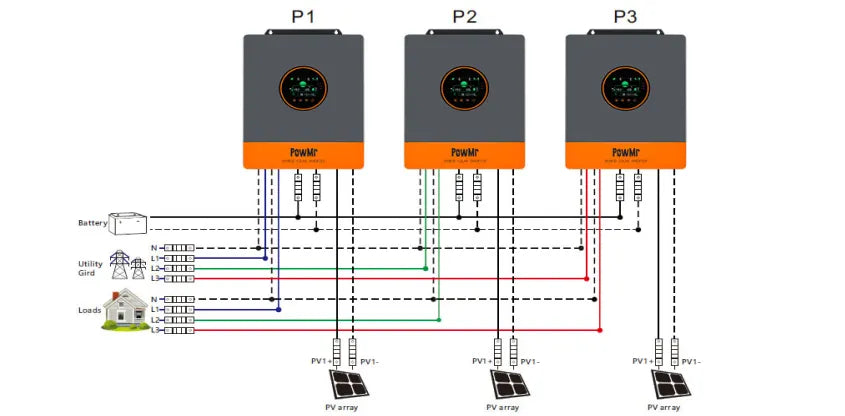
System równoległy trójfazowy POW-SunSmart SP5.2K
Trzy lub więcej falowników POW-SunSmart SP5.2K można połączyć, aby zbudować skalowalne trójfazowe systemy fotowoltaiczne do zastosowań komercyjnych i przemysłowych.
15,6 kW
Do 6 jednostek
Filtry
14 produktów
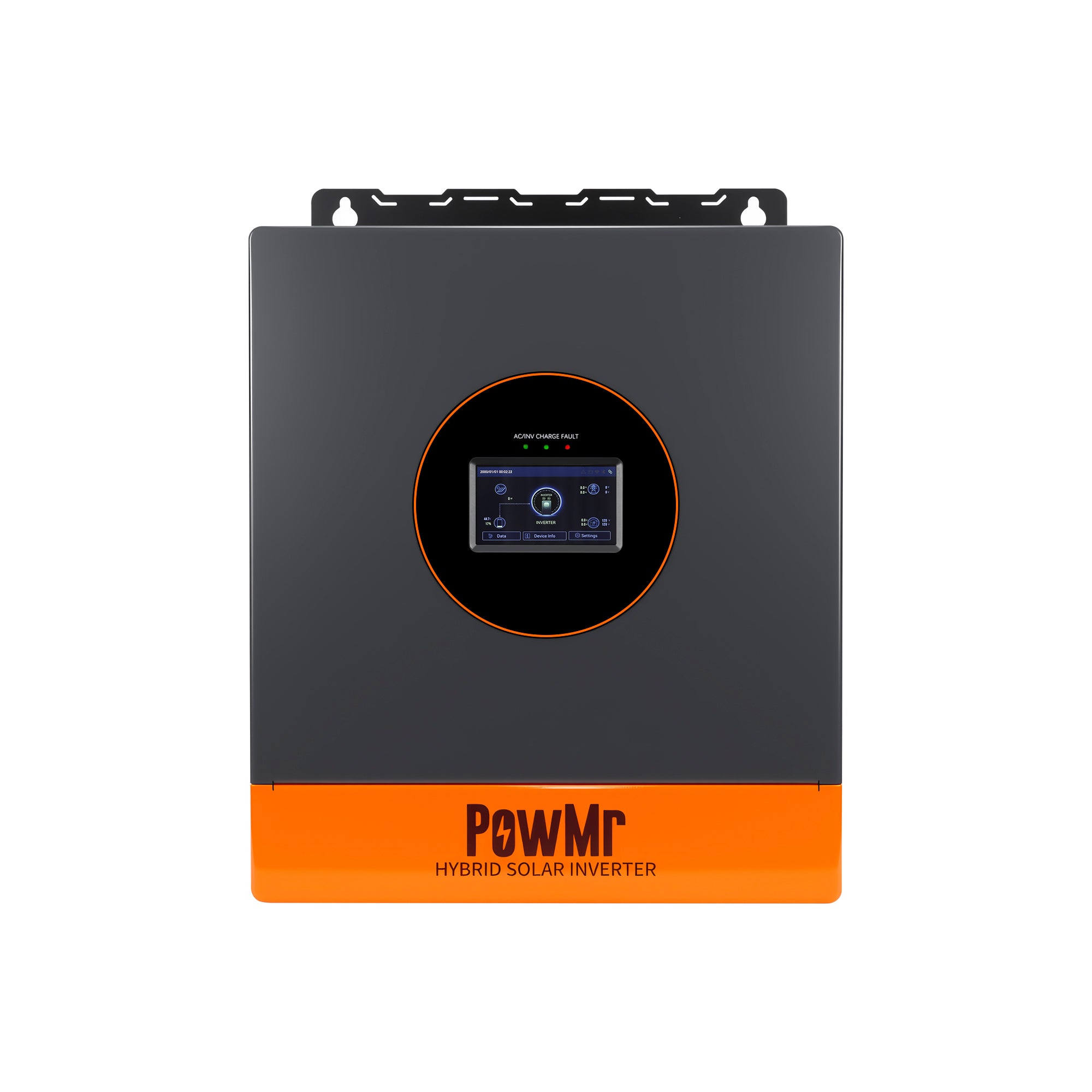
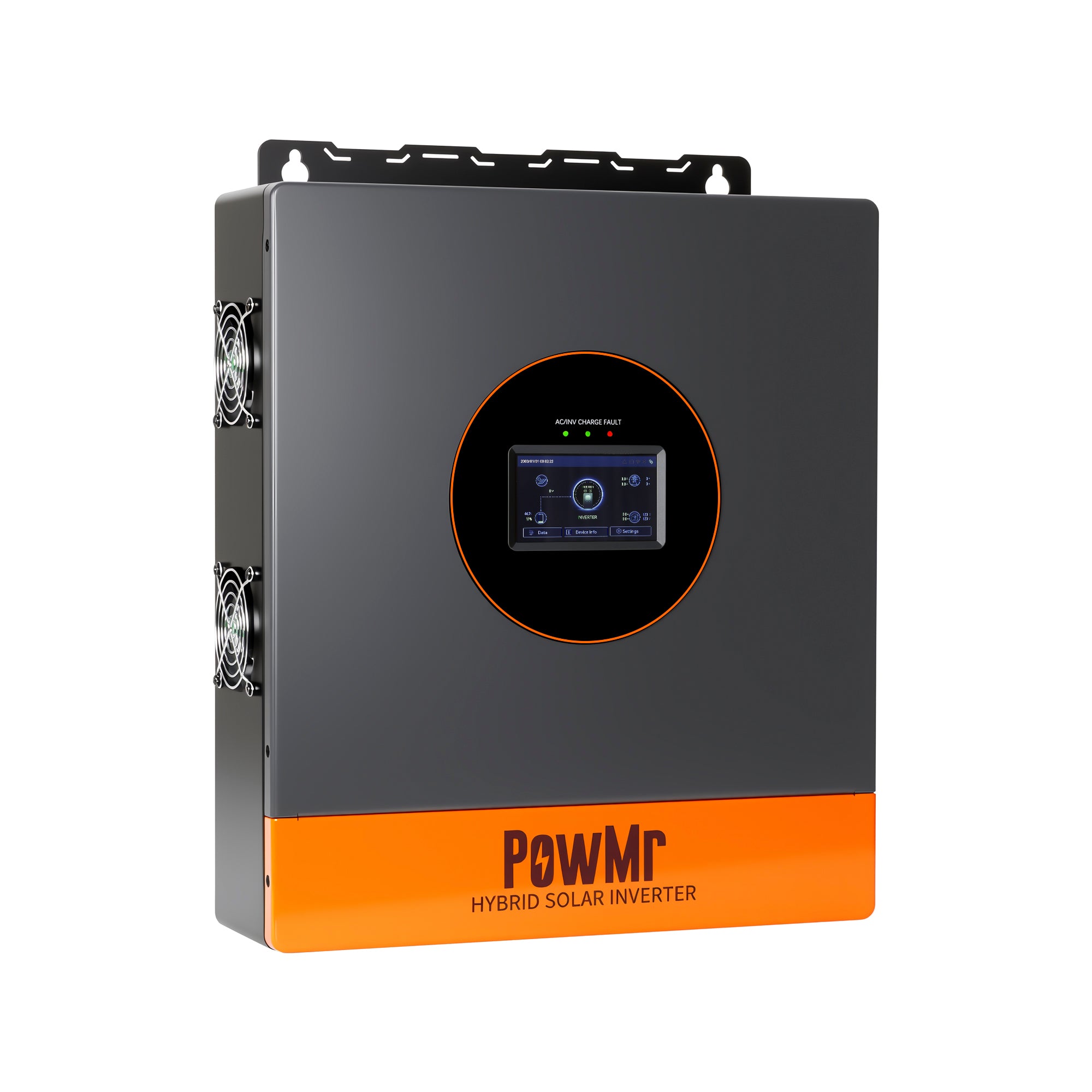
8KW 48Vdc Wszystko w Jednym Falownik 110/240Vac Faza Rozdzielona Obsługuje 6 Jednostek Równolegle
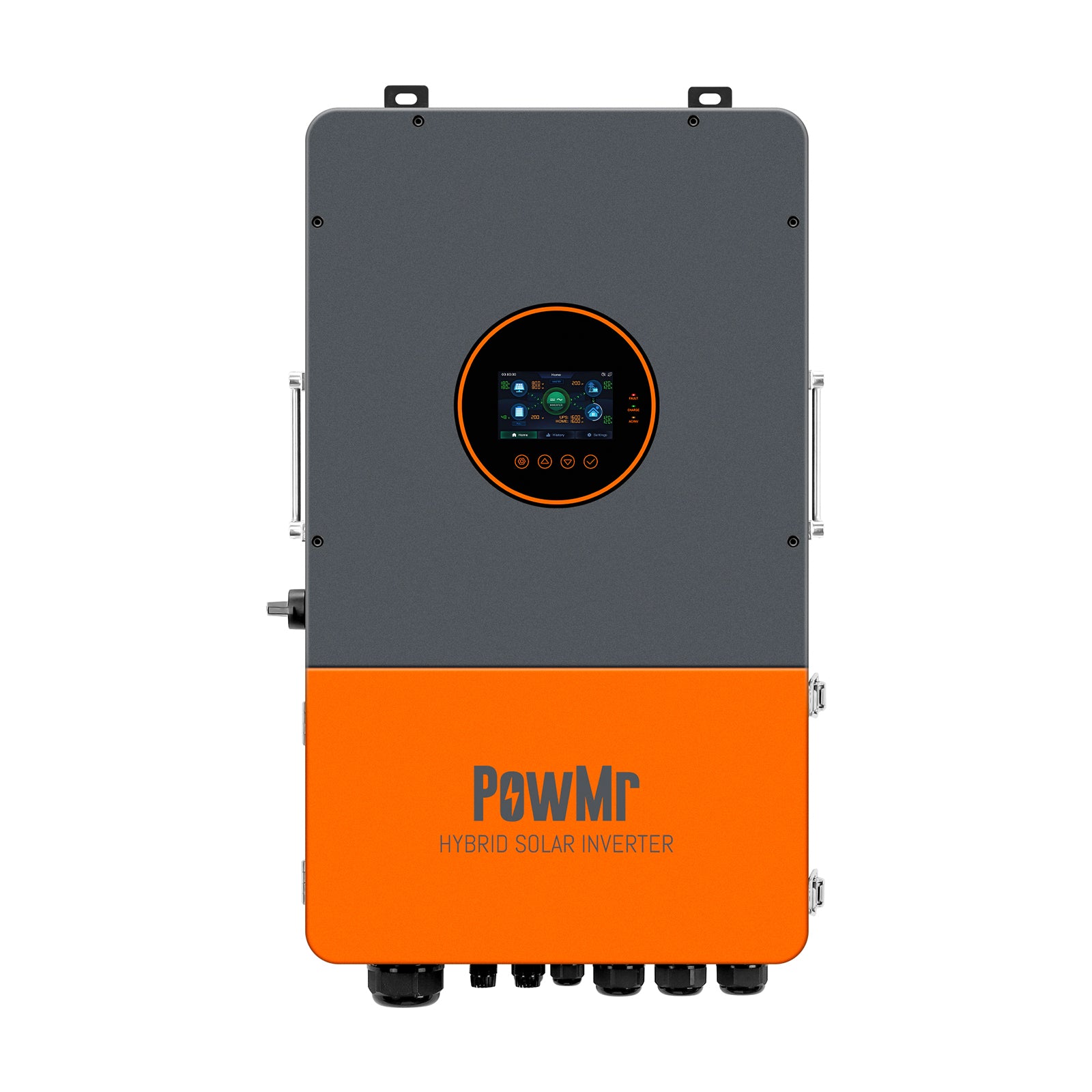
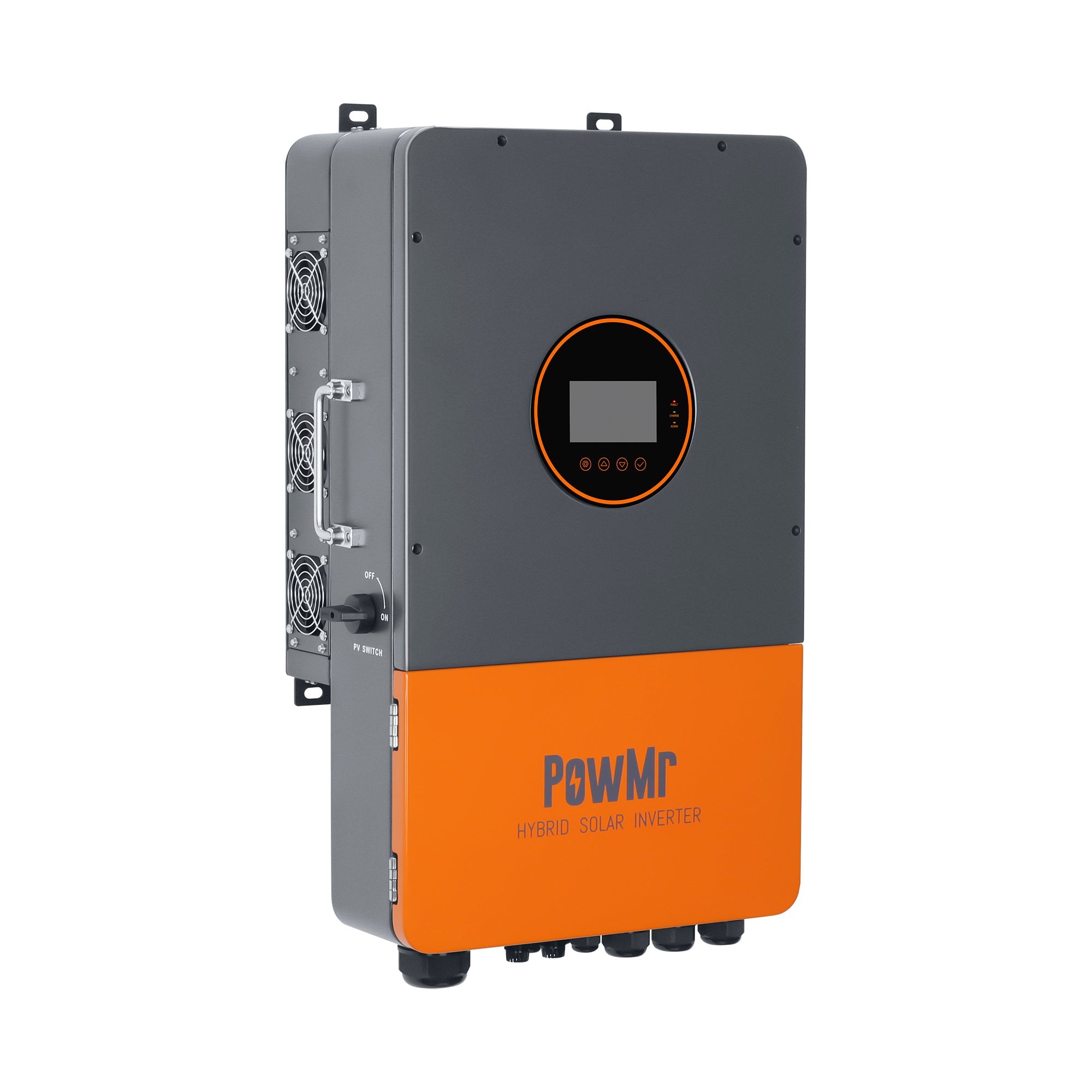
12KW 48Vdc Hybrydowy Falownik 110V/240V/208Vac Faza Rozdzielona Obsługuje 6 Jednostek Równolegle
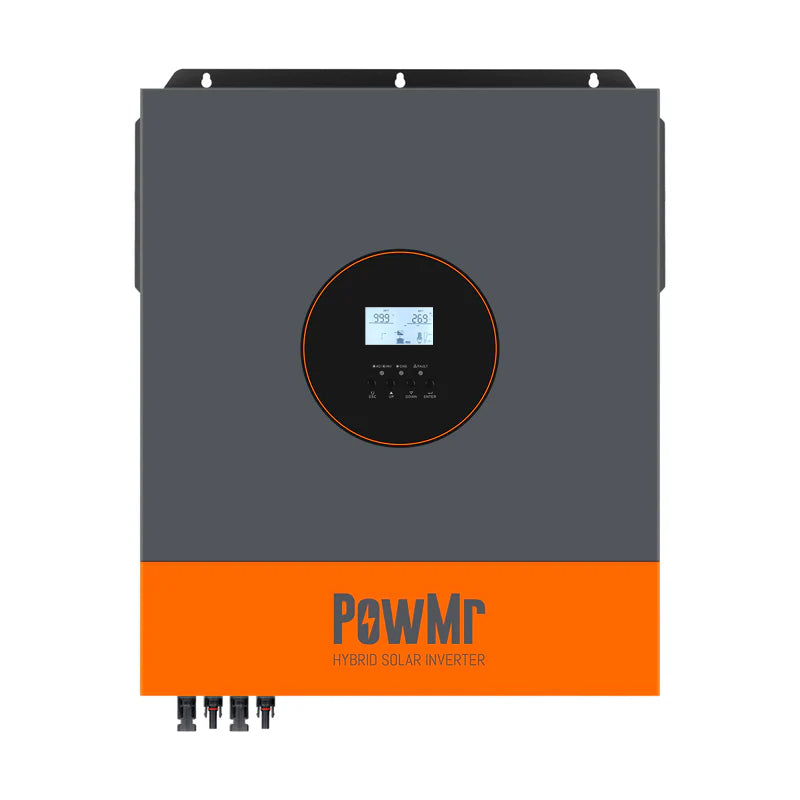
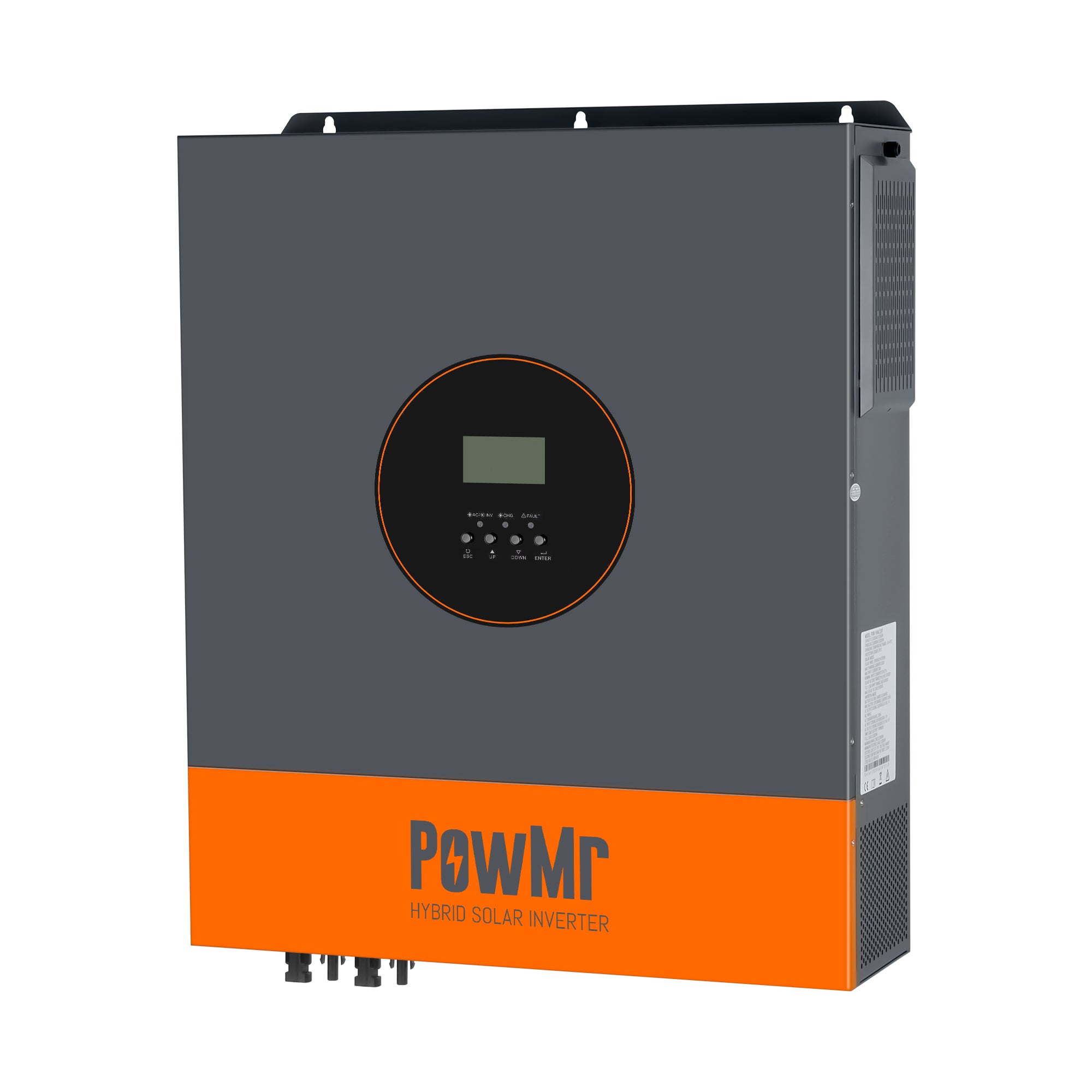
11KW 220Vac 48Vdc Wszystko w Jednym Falownik Obsługuje 9 Jednostek Równolegle
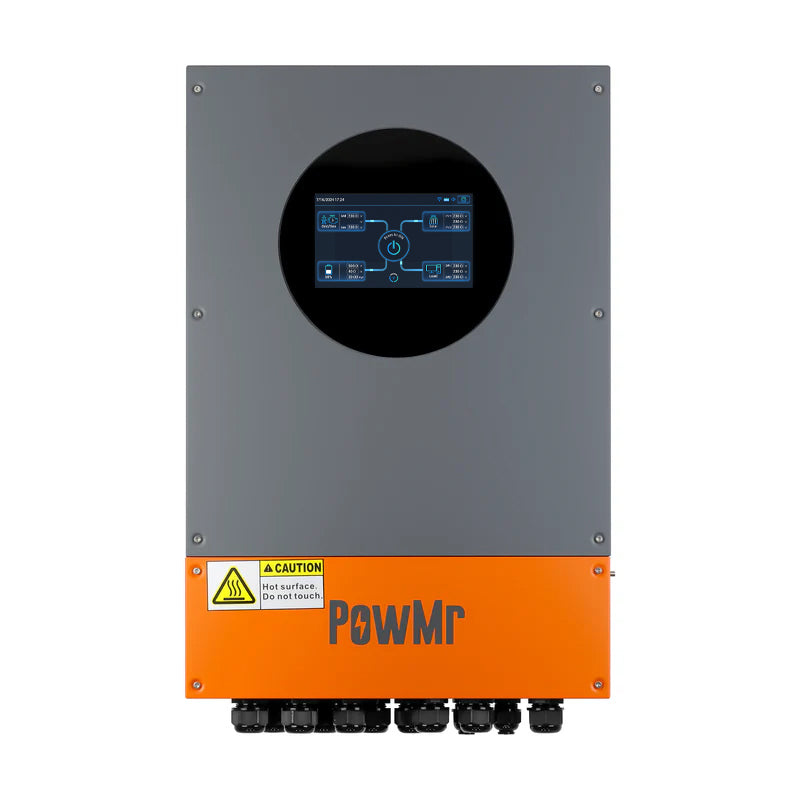
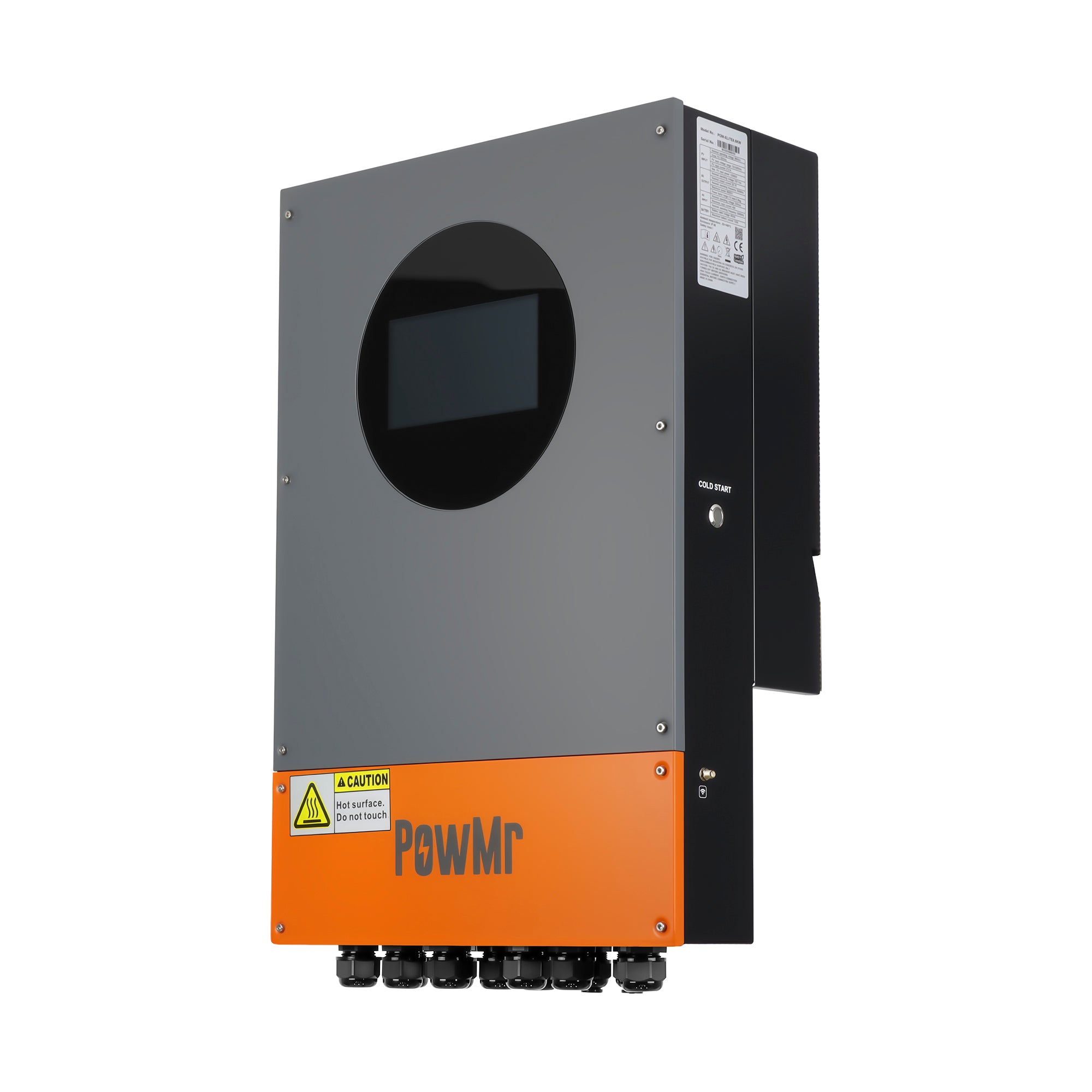
Przetwornica All in One 6.6KW 48V 220V obsługująca 9 jednostek w połączeniu równoległym
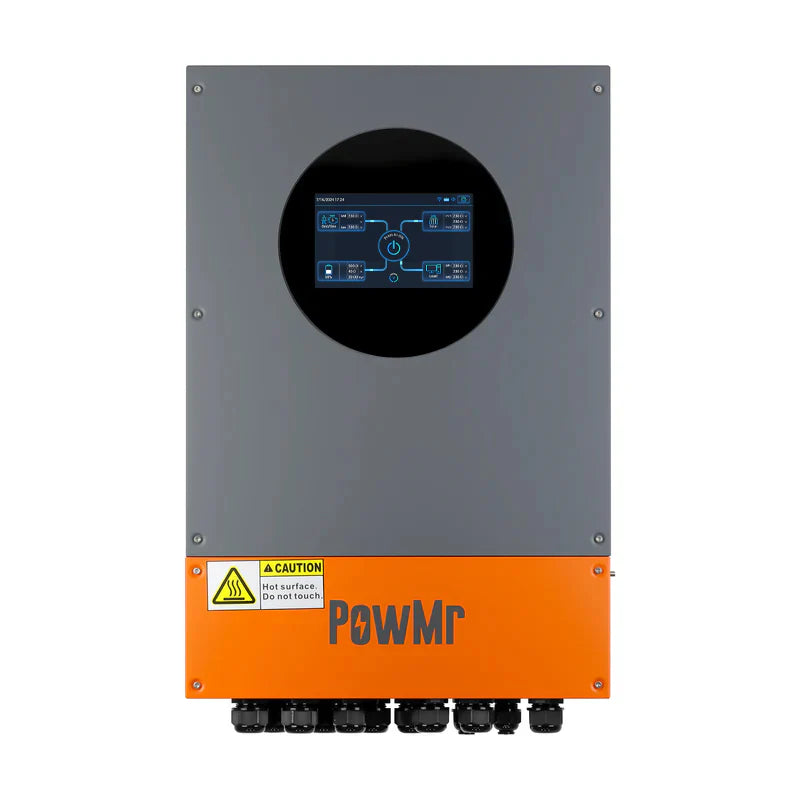
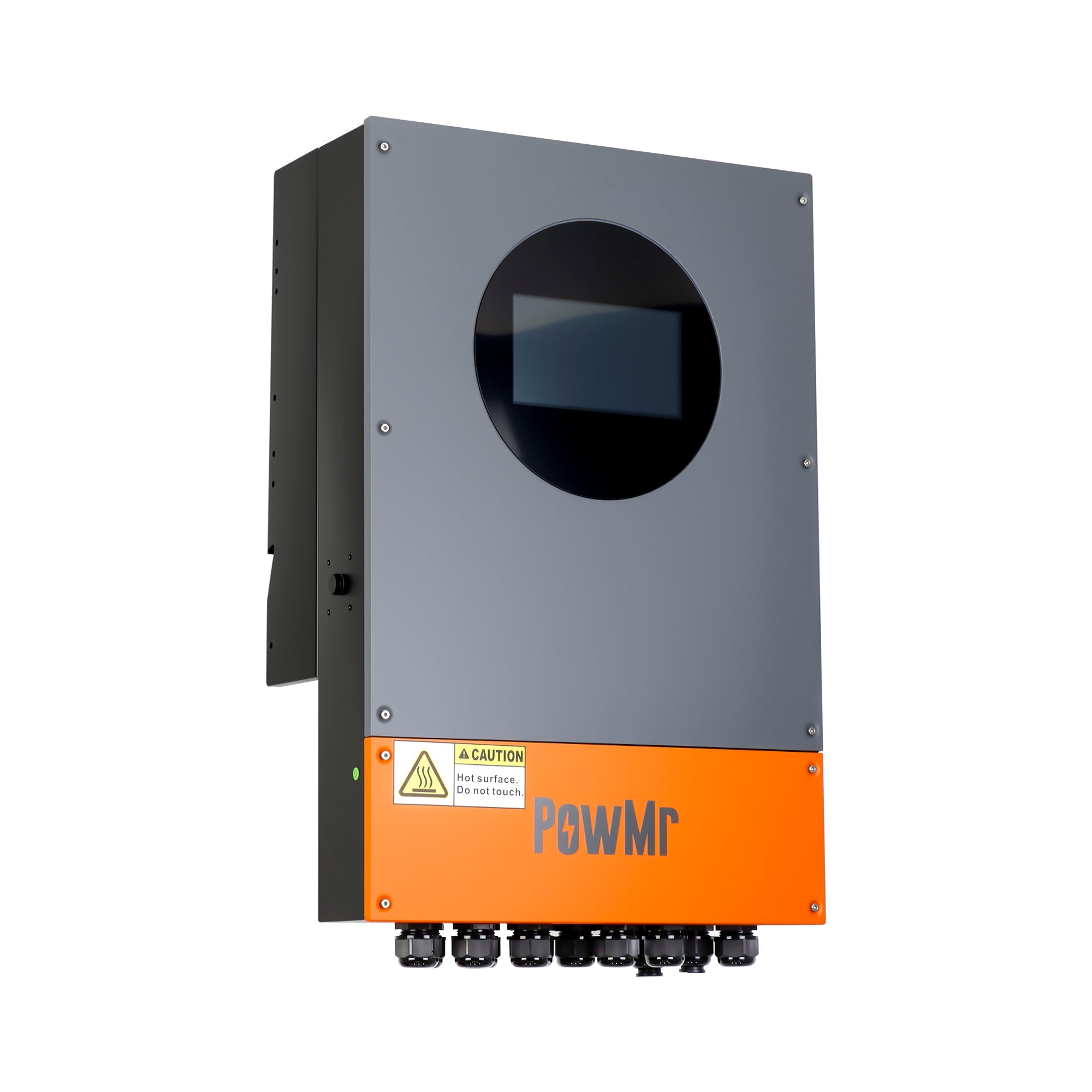
Przetwornica All in One 10.6KW 48V 220V obsługująca 9 jednostek w połączeniu równoległym
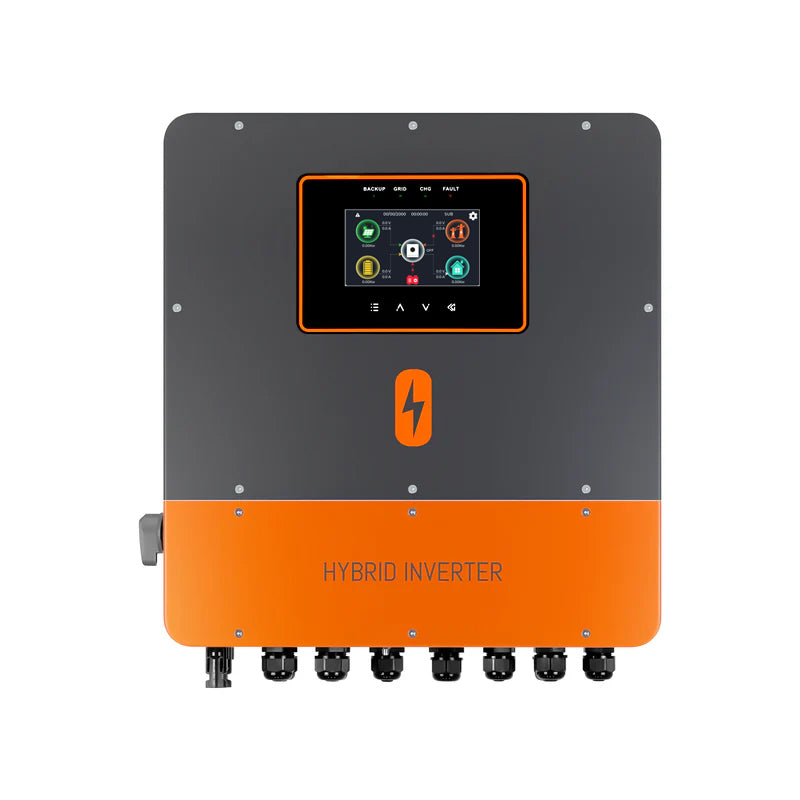
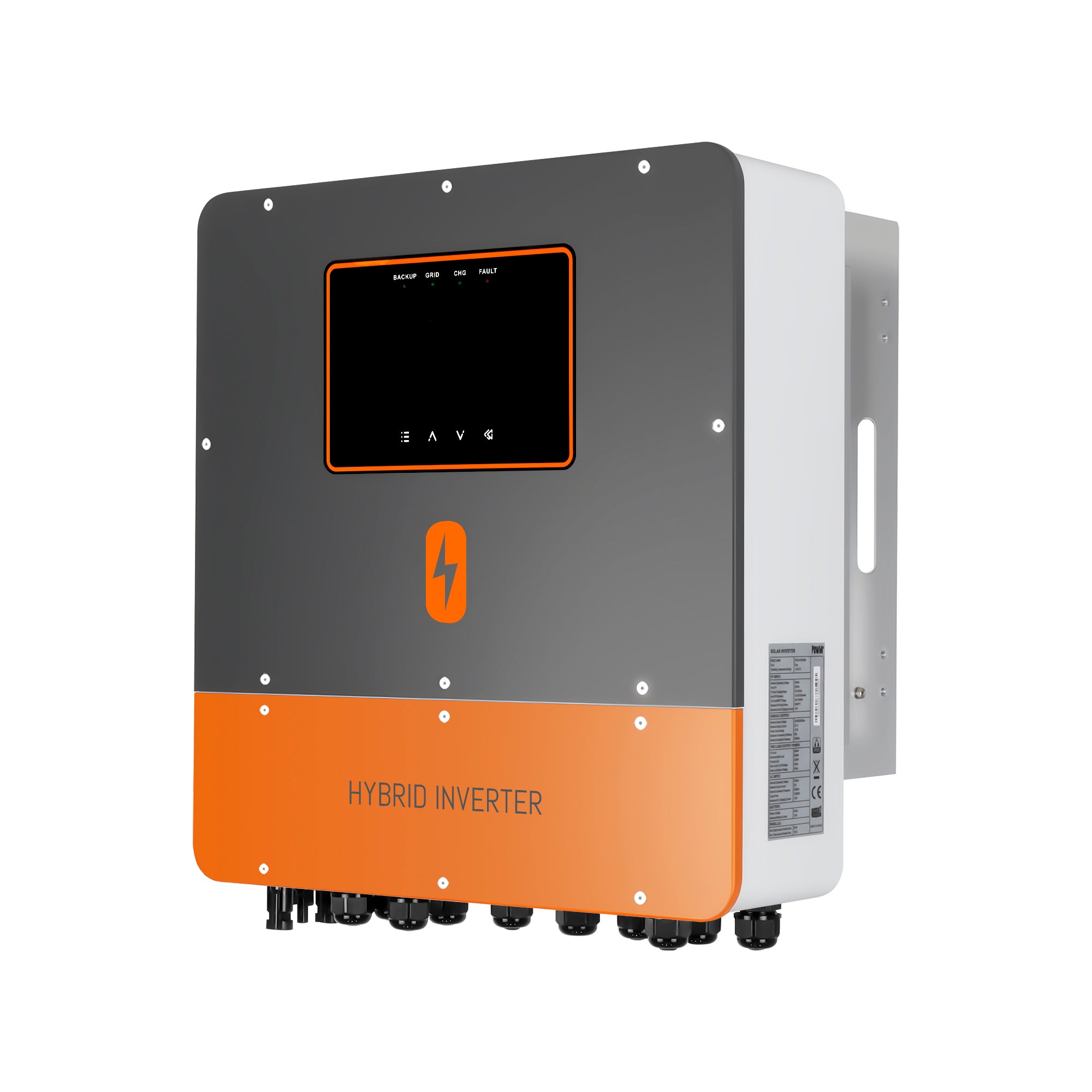
Przetwornica All in One 6KW 48V 220V obsługująca 6 jednostek w połączeniu równoległym
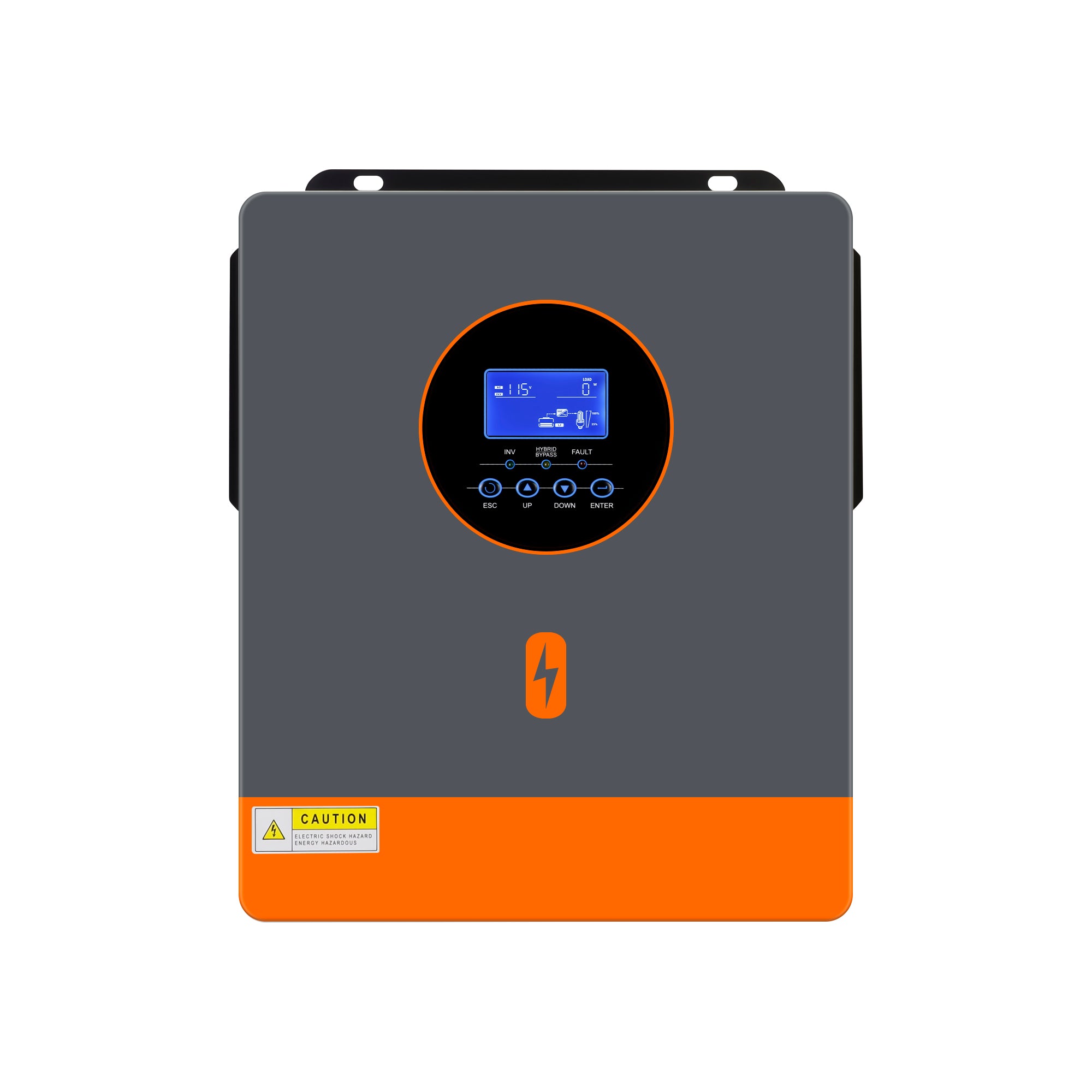
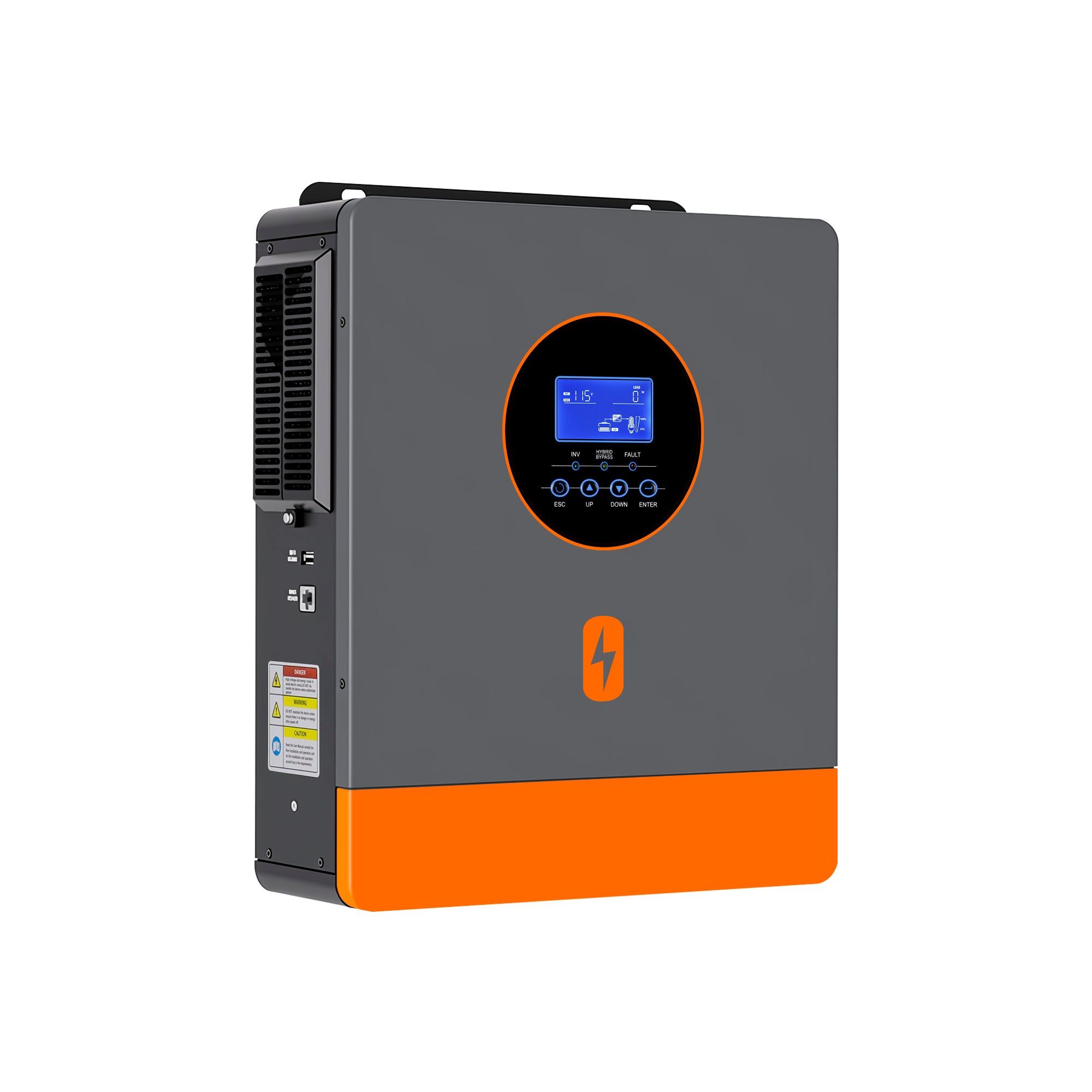
Falownik 6,5KW 48V 110/240Vac Split Phase All in One


Przetwornica All in One 16KW 48Vdc 110/240Vac z fazą dzieloną obsługująca 6 jednostek w połączeniu równoległym

Jak połączyć falowniki równolegle